Ferment: How we can cultivate the revitalising power of microbes
Noticing that he was being asked an increasing number of questions about ferments, he set out to write a guide. demystifies and explains the potential benefits of foods including yogurt, sauerkraut, vinegar, cheese, and even sourdough, tea, coffee, and wine.
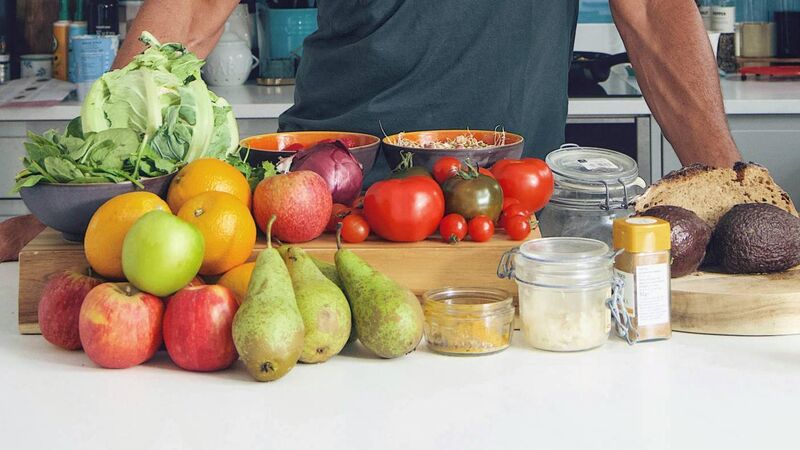
Spector tries to eat three different ferments a day; he can almost hit this target with his first meal.
“I have a breakfast that is usually kefir — fermented milk — and full-fat yogurt with berries, often frozen, or whatever fruit that’s lying around, chopped up,” he says. He also adds a Zoe-branded plant-based mix of seeds, nuts, grains, spices, herbs, and mushrooms.
“With the kefir and yogurt, I’ve had a couple of ferments and I’ve plenty of variety there,” he says. “In a way, then, the rest of the day is sort of a bonus, but I’m always looking to augment a meal with ferments.”
With this book, Spector documents his fermentation journey, writing that he has moved from where he “thought eating a soy milk low-fat yogurt was good for me” to, in the dedication, apologising to his wife about the state of their ferment-loaded fridge. He writes that he had to invest in a second fridge to store his array of “starters, kefir grains, scobies, vinegar mothers, and bottles of kombucha and tibicos [water kefir], as well as milk kefir.”
That’s without including the “Kilner jar full of kimchi and another with kraut, and of course, I couldn’t be without cheese.”

He’s long been a fan of what he calls “the four Ks: Kefir, kimchi, kombucha and kraut” but in he delves into many other foods new to him, including tips on buying the best commercial versions and simple recipes for fermenting safely and inexpensively at home.
Humans have been fermenting food for thousands of years, using microbes to transform, preserve, and enhance all kinds of plants, dairy, and meat. American author Sandor Katz, the self-described fermentation revivalist, brought this ancient practice into the 21st century with his 2003 book, . His writing and workshops — some in Ireland — inspired a new wave of fermentation enthusiasts, including the author of 2016’s The Cultured Club, Co Down-based Dearbhla Reynolds.
In , Spector prescribes five fundamental principles: Eat 30 different plants a week (including vegetables, fruit, nuts, grains, seeds, herbs and spices), consume a wide range of colourful fruit and vegetables, try time-restricted eating, reduce UPFs and incorporate at least three daily portions of fermented foods into the diet.
“Eating 30 plants a week is something that has really taken off as a mantra,” says Spector. “If you do that, everything else follows. We know from our studies that that’s the sweet spot for the gut. If your gut is happy, your immune system is happy. Everything is related: they’re not separate goals. If you have fermented foods on top of your 30 plants a week, that helps in a different way.”
In , Spector brings age-old fermentation know-how to a new audience, many of whom know him through his work with Zoe, which offers members a personalised nutrition programme. A doctor and scientist, he has conducted studies — and cites many more — that demonstrate how incorporating this food into our diets may contribute to various health benefits, including improvements in mood and energy.
AS PART of Zoe, which involves measuring members’ blood sugar and fat levels, along with gut microbiome diversity, Spector can work with people who are actively interested in tracking their diets.
A short three-week trial conducted earlier this year involved 10,000 volunteers increasing their consumption of fermented foods and logging the physical results.
The study found that almost 50% of respondents who increased the amount of fermented foods in their diet reported improved mood and energy, noting that they were less hungry and had less bloating.
Spector cites scientific research that’s come out of University College Cork, including work “led by my academic colleague from Cork, Paul Cotter” in .
Cotter is head of food biosciences at Teagasc in Fermoy and a principal investigator with APC Microbiome Ireland at UCC. “I think that Ireland is more advanced than the UK in terms of gut health because of UCC being one of the leading places for research in Europe.
While ZOE is on the cusp of launching the next-generation testing experience and app, it is not currently available in the Republic of Ireland unless you use a UK or US SIM card. Even without access to the app, Spector’s dietary research and advice are at hand to everyone through his books. He’s also a regular contributor to the ZOE Science & Nutrition podcast.
Spector makes the case for experimentation and variety in fermented foods. “Food is there to be enjoyed, and if [how you’re eating] is not fun and sustainable and flexible, it’s not something you can do for years and years.”
He is not an absolutist and is aware that people need to be able to enjoy their food as well as the benefits from their food: “If you eat well 80% of the time, you can sustain it, and that’s absolutely fine. That’s better than driving for perfection in the short term.”
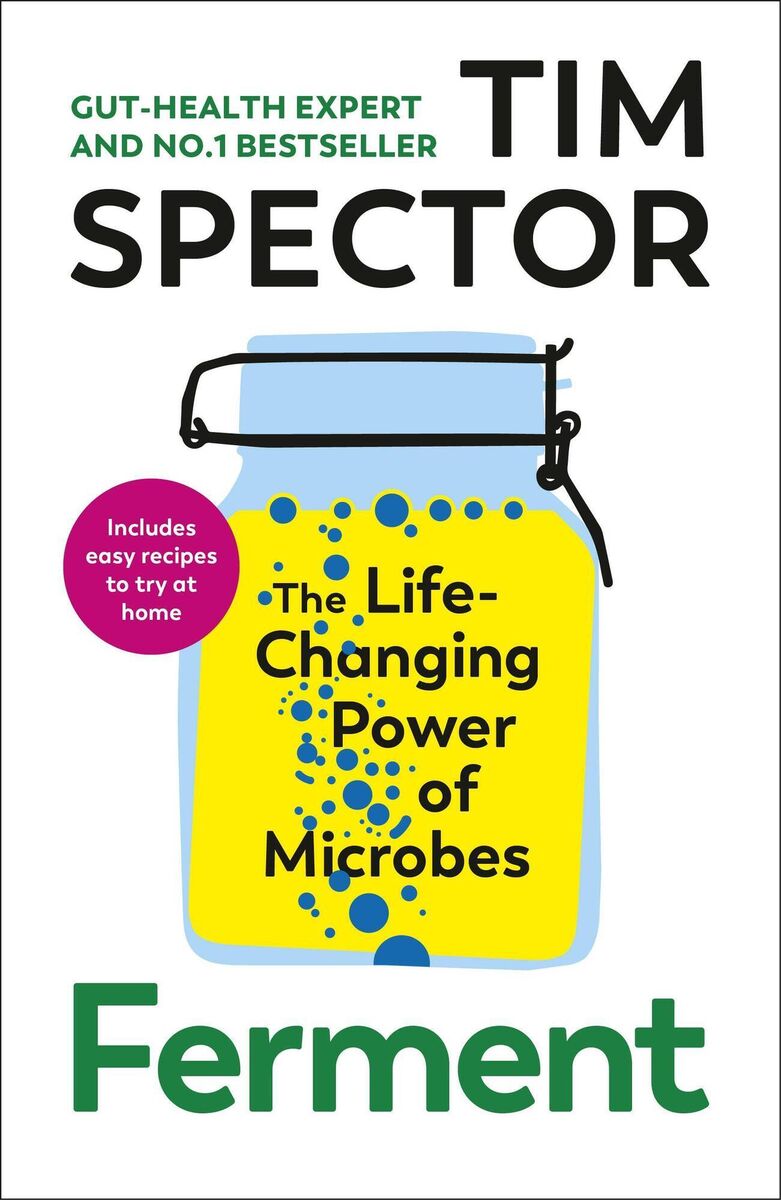
- Ferment (Jonathan Cape, €19.99)