Culture That Made Me: Clare-born composer Gerald Barry picks his touchstones
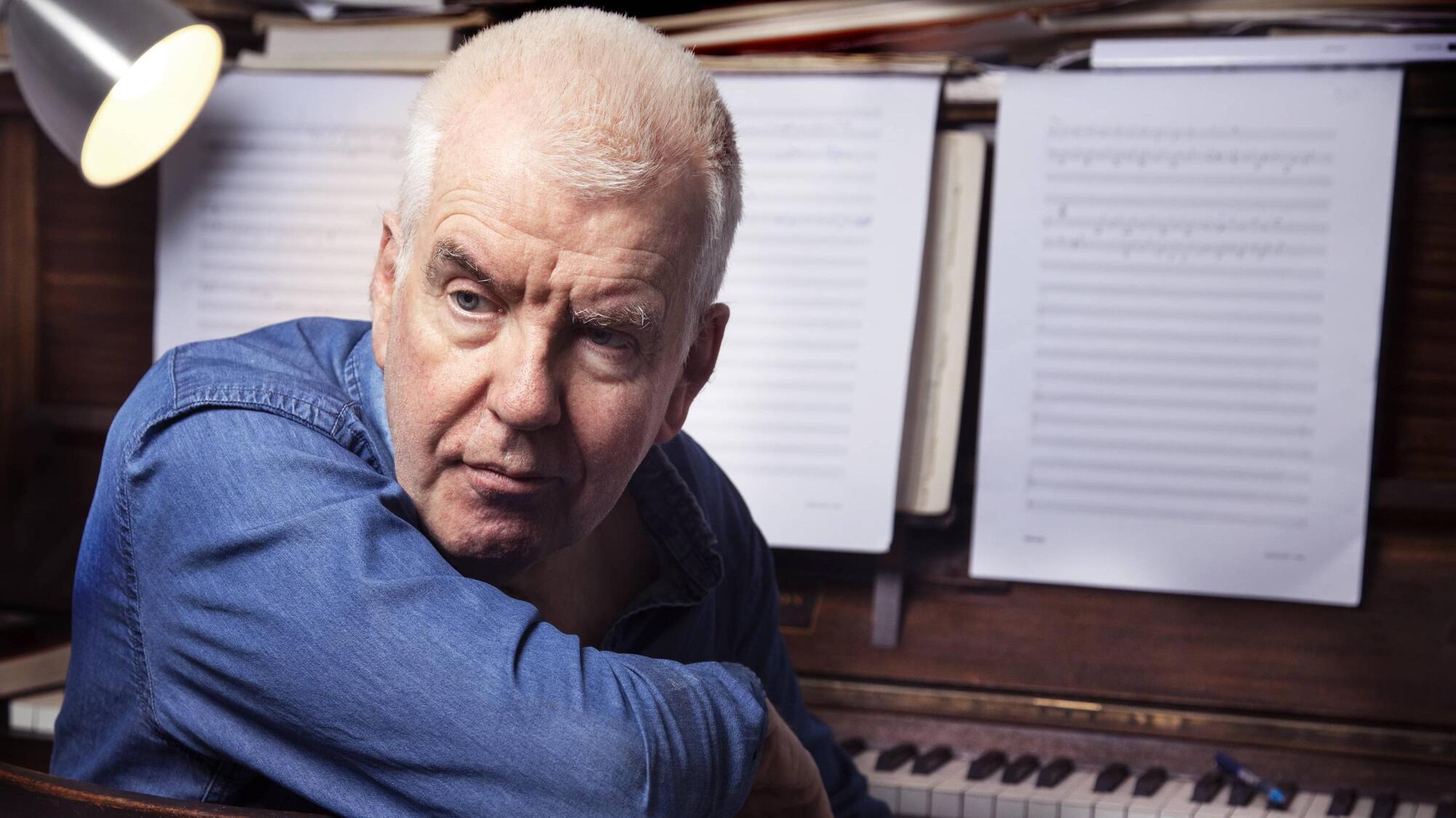
Gerald Barry's Salome is being staged at the National Concert Hall as part of New Music Dublin Festival. Picture: Frances Marshall
Gerald Barry, 73, grew up in Clarecastle, Co Clare. Since his first opera in 1990, his operas have been performed in the world’s most illustrious opera houses, including London’s Covent Garden and New York’s Lincoln Center. In 2013, his opera was awarded a composition prize by the Royal Philharmonic Society. His opera with the National Symphony Orchestra Ireland is at Dublin’s National Concert Hall, Friday, April 17.
The only sound source in my house growing up was a big old radio on a high window. I had to get up on a chair and listen to it. I only discovered music through the radio. One night, just going along the band somewhere from Stockholm to Mexico, I heard a woman singing. That was my enunciation moment. It was Maria Callas, the soprano. I was stunned. I was about maybe 12. My mother was in the kitchen a bit away from me, making bread and pounding dough. I turned to tell her what had happened to me. My mouth opened. I couldn't speak because I didn't have the words to describe what had happened. There are very few people like Maria Callas.
The Shandon Church in Cork has a thing called “carillon” – you can play the bells. I was commissioned in the early 1980s to write a piece for the Shandon Bells, the local brass band and a local, amateur choir. The music had to be accessible enough for people who couldn't read music to memorise bits, so it had to be paired down and simple. The brass band was a mixture of old men and young boys, with this vast age difference. It was performed in the street outside the church. It was one of the most moving experiences of my life because it had a purity and innocence – music-making for the sake of music-making.
There’s a wonderful French movie called from 1958. It was directed by Louis Malle. It’s got this extraordinary music by Miles Davis. He played the trumpet part. He recorded it in Paris, almost improvising some of it, looking at the movie when it was playing. He was an extraordinary performer.
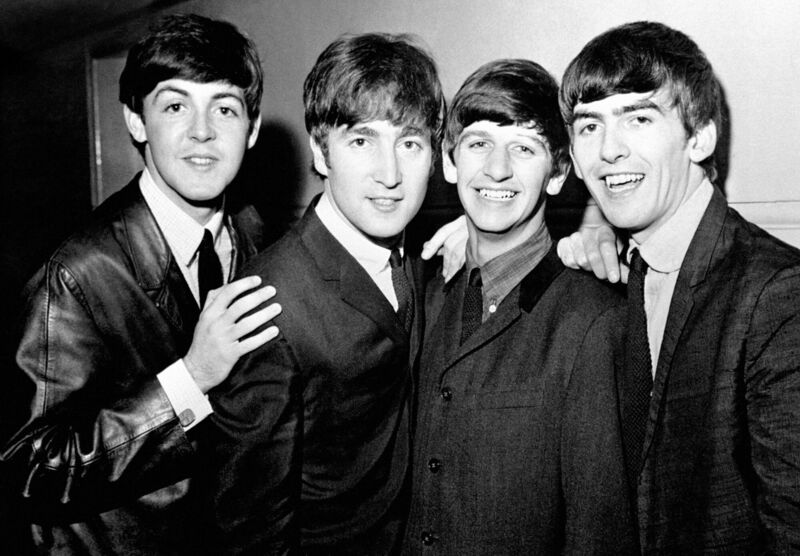
The Beatles are extraordinary. They’re like Schubert because they have a haunting mastery of melody and harmony. Some Beatles songs – an amazing song, and – when you listen to them after many decades, it's like listening to them for the first time. They have that timeless quality. It's as if you're getting a message for the first time, even though you've heard it many, many times. They have this immediacy.
There's always mystery in Beethoven’s music. There are no words to explain this mystery in the sound. Beethoven's fifth symphony – which goes bah-bah, bah-boom – was used in the Second World War as a signal on BBC. It was played on the drums. This one motif at the beginning – bah-bah, bah-boom – is like an announcement of a new world. It was like a new world of romanticism in the 19th century. It was getting away from music often that was with institutions – in royal courts and churches. It was the individual shouting out. It was an expression of independence and revolution.
by Mozart is about young lovers who have to go through trials to prove their love to one another. It's one of those simple stories which is like a fairytale, which Mozart fills with magic. It's thrilling and incredibly moving. A good performance will have you in tears. The music is glorious – glorious melodies, glorious harmonies.
Debussy wrote two books of preludes. There's a prelude for piano called It’s very mysterious, very haunting – listening to it you really visualise somebody walking in the snow, leaving their footprints. It’s a wonderful piece.
I recall a memorable performance at Trinity College in Dublin of the Mozart opera, It was the power of it. The orchestra was rearranged for about nine musicians when normally it would have about 40 because they couldn't afford the whole orchestra, but even reduced to nine instruments, it had me in tears. There are great moments in an opera like where everything comes together. It’s like a great reveal in a mystery novel where everything's revealed, a climactic moment where everything comes together emotionally.
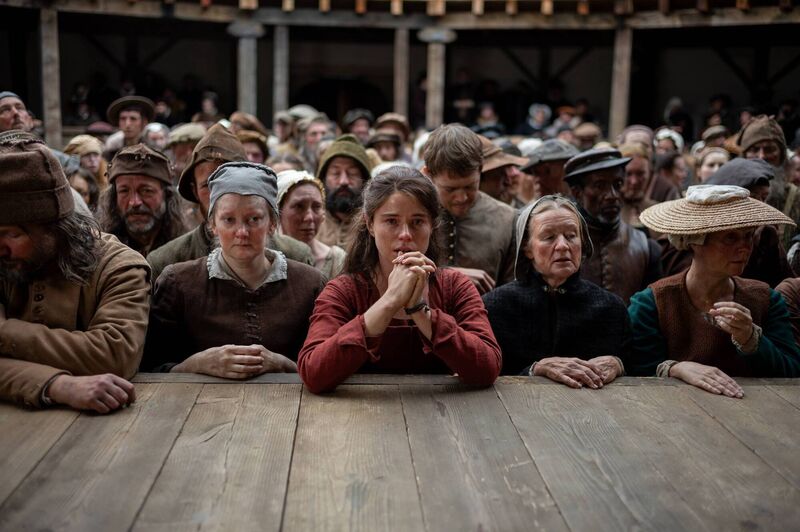
I loved the film Jessie Buckley and Paul Mescal are both equally magnificent in it. It was a shame he was ignored with all the prizes. She deserved her Oscar completely. She's wonderful, but he also did. I loved the way the world of Shakespeare was captured, the passion and thrill of putting on plays and then the loss of their child, which was the tragedy behind the story. Also, the way the landscape was captured, people being at one with the landscape as if they were animals.
Oscar Wilde is a great Irish man. He was an extraordinary writer. He wrote wonderful plays. He was incredibly funny, very witty, but also very subversive. He often parodied the English classes even though he lived amongst them in London and earned his bread from them. In the end, they turned on him.
was Wilde’s last play. He never saw it himself because he was imprisoned in England in Reading Gaol. is an extraordinary, biblical story. It’s gory, a blood-curdling story about this woman who – because she can't get this man John the Baptist – dances for King Herod, and the prize is John the Baptist's head. So, she has him decapitated.
I remember seeing a wonderful production of at the Everyman Theatre in Cork. I love John Millington Synge. It's an amazing, thrilling play. I remember being incredibly moved by it. It has that quality of timelessness. I'm looking out on the Aran Islands now where it would take place.
I find the 19th ghost stories of Sheridan Le Fanu, powerful. I’ve read them on a stormy night in my house in Clare, looking out on Inis Oírr. They can be very spooky. The scary things that happen in them are often unspoken. It's difficult in horror and supernatural stories to retain the power when a writer names what the fear is, but in Le Fanu often the fear is unnamed and unspoken. It's like a movement out of the corner of your eye or you go into a room, and you see a depression on the bed, something has been lying on it.
When I got to the end of Herman Melville’s I was staggered. I felt bereft, like in mourning that I’d finished it. The world he creates is extraordinary – the way he describes the battle between Moby Dick, the whale, and this evil sea captain. The main character is Moby Dick, but not until the very end does Moby Dick appear. You wade through about 427 pages of reference to him, but he never appears. You feel like screaming with frustration, but the build-up is so extraordinary that without realising you've become possessed by this image of the whale. When it finally appears, it's shattering.