Darina Allen: Three recipes to make the best of autumn foraging
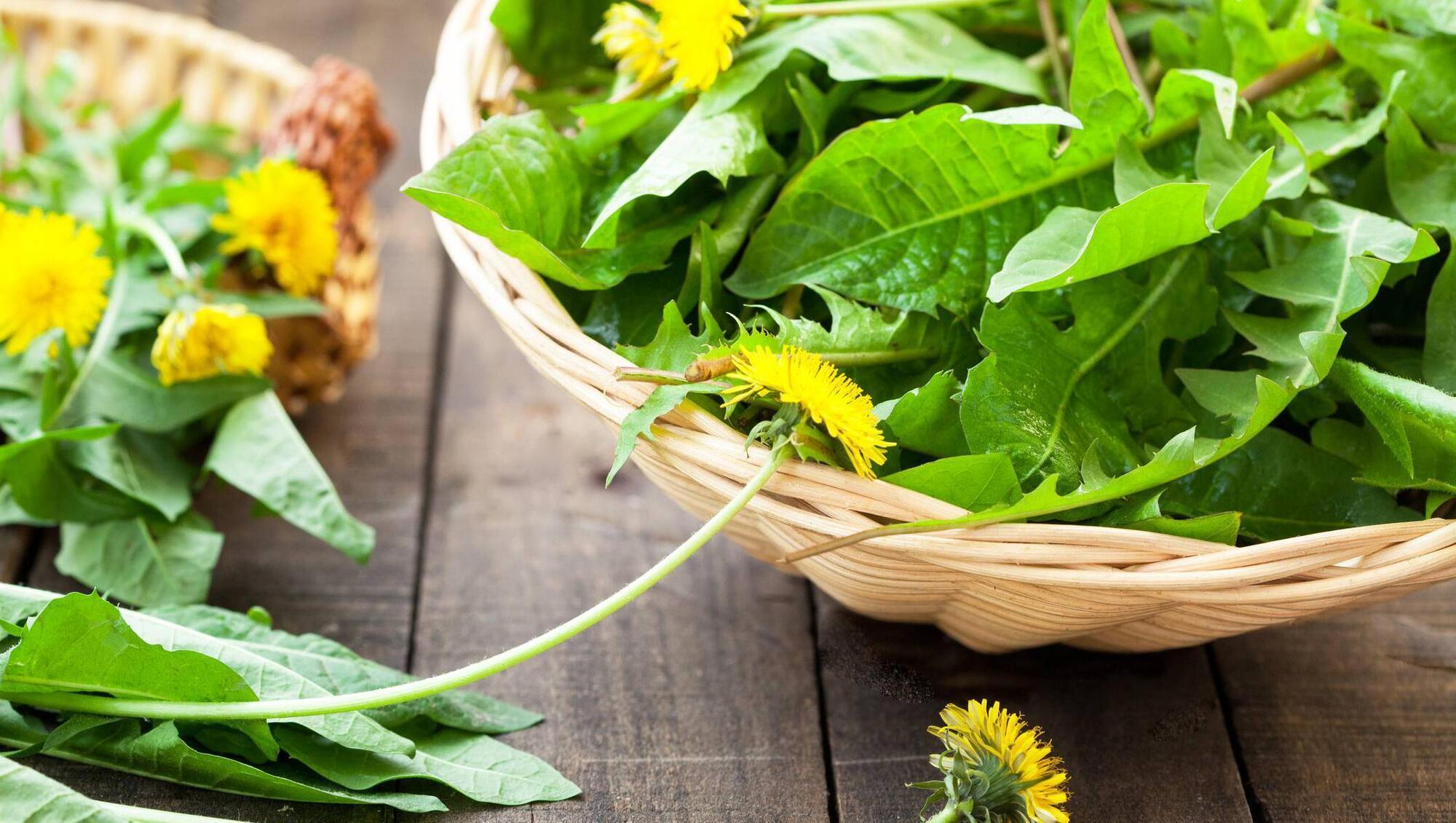
"I love to make a foragers' salad or a silky foragers' soup from a mixture of wild leaves, flowers and herbs like wild thyme."

At present, driving through the countryside, particularly in the west of Ireland is like meandering through the Garden of Eden.
The roadsides are ablaze with fuchsia, orange montbretia, purple loose strife and willow herb, lots of cream fluffy meadowsweet, knapweed, bright yellow ragwort, wild carrot and swords of wild sorrel and beautiful, lush watercress in the streams.
Wildflower meadows have all but disappeared over the past couple of decades, but wildflowers and grasses are alive and well along roadside verges in many areas.
All around the country, councils have responded to local peoples' request to stop spraying glyphosate, (a known carcinogen) and have resisted cutting the verges which enhances biodiversity, except in essential places where visibility is impaired by enthusiastic growth.
Strolling through the lanes, one can’t help noticing that plants are alive with bees, hoverflies and other pollinating insects.
Butterflies have been scarce this year but there were several common blue butterflies on the yellow trefoil and lots of cinnabar moths on the ragwort which we were initially told was a weed that would poison cattle. However, the reality is they don’t bother to eat it unless it is accidentally included in silage.
The brambles are laden with fat juicy blackberries so despite the thorns, I couldn’t resist picking several bowls to make a few pots of blackberry and crab apple jam.
They take ages to pick so my few jars felt even more special and looked like good deeds on the shelf. I added a few sweet geranium leaves to impart a haunting lemony flavour.
We picked lots of orange and scarlet rowanberries to add to crab apple jelly, all free for the gathering and so, so good.
I fantasised about all the delicious dishes I could make from the hedgerows - pestos, pasta sauces, frittatas… Where someone else might see weeds, I saw dinner and lots of fun in the kitchen, and I picked a big bunch of wildflowers to adorn the kitchen table.
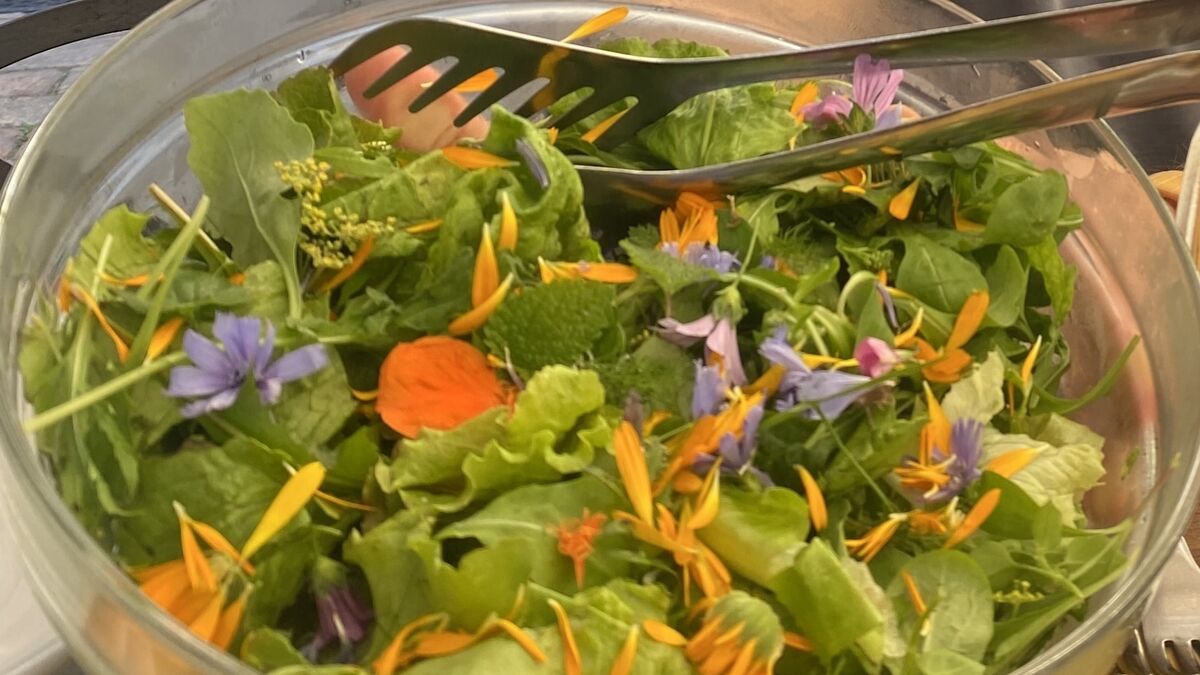
I love to make a foragers' salad or a silky foragers' soup from a mixture of wild leaves, flowers and herbs like wild thyme.
It’s not just the leaves that are delicious, but the flowers too, scatter some knapweed petals, montbretia, fuchsia blossoms, wild rose petals, cornflowers and watercress flowers to embellish your dishes.
There’s masses of fluffy cream meadowsweet blossoms along the roadside too, they’ll last well into September so make the most of their distinct aroma to flavour ice cream, panna cotta, homemade custards, infuse in vinegar, vodka...
How about an apple and meadowsweet tart. The wild carrot flowers can be battered and deep-fried.
There will be sloes, damsons and elderberries before too long but that’s for another column.
Meanwhile, have fun with the early autumn bounty and there are lots more recipes and ideas in my cookbooks, and .
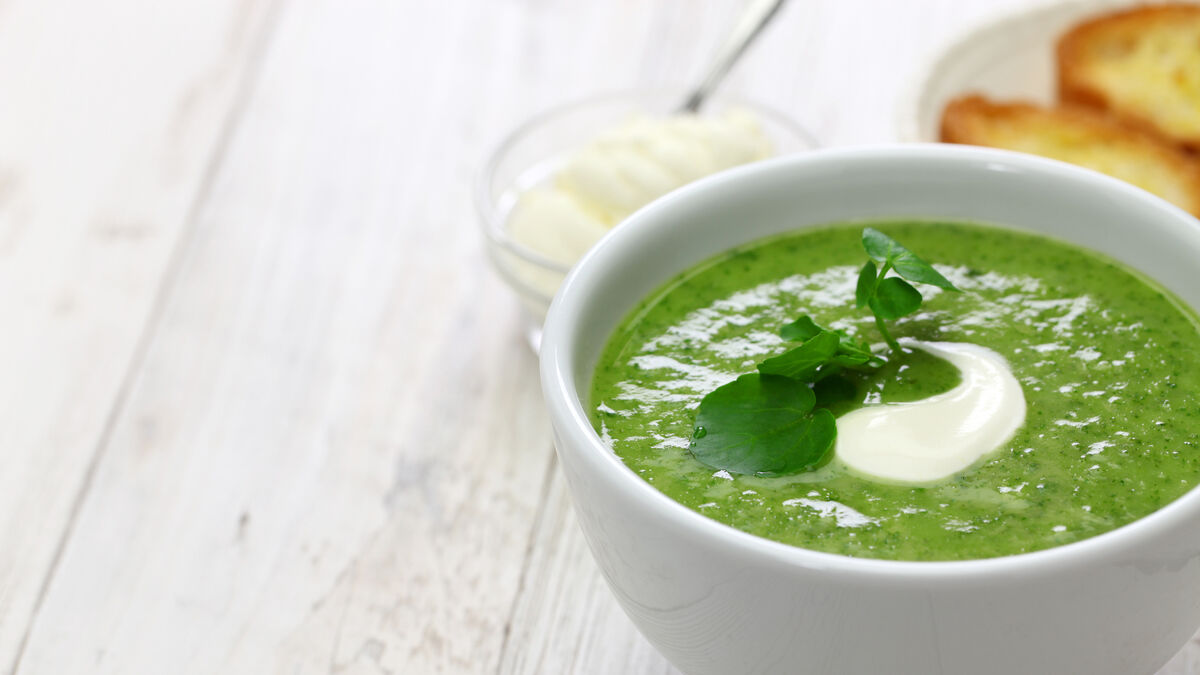
Watercress soup
A favourite on the menu of Ballymaloe House since it opened in 1963, this rich, creamy soup celebrates the depth of flavour in wild watercress
Servings
6Preparation Time
10 minsCooking Time
15 minsTotal Time
25 minsCourse
MainIngredients
45g butter
150g potatoes, peeled and chopped
110g onion, peeled and chopped
salt and pepper
900ml water or homemade stock
300ml creamy milk (1/4 cream and 3/4 milk)
225g chopped watercress (remove the coarse stalks first)
Method
Melt the butter in a heavy-bottomed saucepan. When it foams, add the potatoes and onions and toss them until well coated. Sprinkle with salt and freshly-ground pepper. Cover and sweat on a gentle heat for 10 minutes.
When the vegetables are almost soft but not coloured add the hot stock and boiling milk. Bring back to the boil and cook until the potatoes and onions are fully cooked.
Add the watercress and boil with the lid off for 4-5 minutes until the watercress is just cooked. Do not overcook or the soup will lose its fresh green colour. Puree the soup in a liquidiser. Taste and correct seasoning.
Salad of Foraged Greens
Note: Italian lemons are much sweeter and juicier than the imported fruit we have access to so it may be necessary to add sugar to the dressing.
Cooking Time
10 minsTotal Time
10 minsCourse
SideIngredients
For the mixed salad, the following plants work well together:
stitchwort, pennywort, lemon balm, wild fennel, salad burnet, bittercress, common sorrel, purslane, plantain, nepeta, cowslip leaves and flowers, evergreen clematis (Clematis vitalba), nasturtium leaves and flowers, chive flowers, chicory leaves and flowers, leaves and flowers of purple mallow, violet leaves and flowers, marigold and daisy petals, wild thyme leaves, dandelion leaves and petals, bladder campion leaves and flowers, sage flowers, rosemary flowers, borage flowers, zucchini blossoms, rose petals, common poppy leaves and flowers….
Plants used for the salad should be young and fresh.
Italian Dressing:
1 tbsp fresh lemon juice or Balsamic vinegar
3 tbsp extra virgin Tuscan olive oil
sea salt and freshly cracked pepper
sugar to taste, use only with lemon juice
Method
Wash and dry the salad leaves, combine the ingredients for the dressing. Just before serving, toss the salad with the dressing and serve immediately.
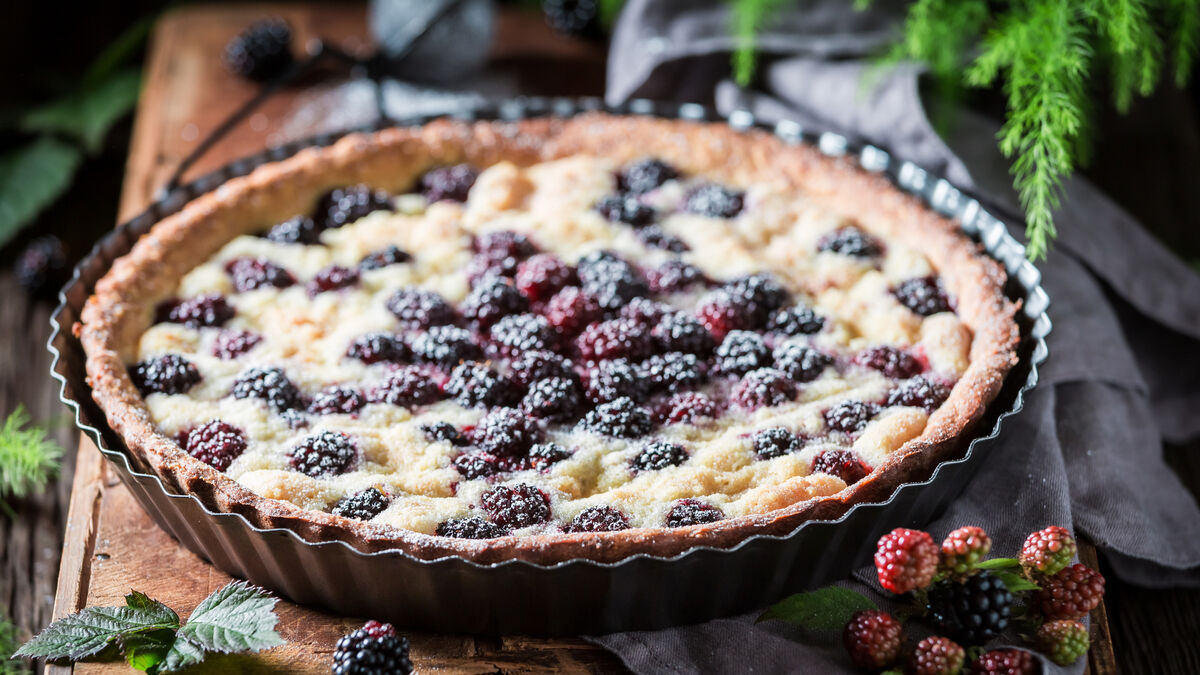
Blackberry, apple and sweet geranium tart
For a deliciously tart, vibrant treat, try this summertime tart using pastry made by the creaming method so you don't have to worry about rubbing in the butter with hot hands
Servings
8Preparation Time
40 minsCooking Time
45 minsTotal Time
1 hours 25 minsCourse
DessertCuisine
TraditionalIngredients
225g butter
55g caster sugar
2 eggs
340g white flour
For the filling:
600g Bramley seedling cooking apples
110g blackberries
6 sweet geranium leaves
140g sugar
egg wash — made with one beaten egg and a dash of milk
caster sugar for sprinkling
softly whipped cream
Barbados sugar
Equipment:
18cmx 30.5cm x 2.5cm deep tin
Method
Preheat the oven to 180°C.
First, make the pastry. Cream the butter and sugar together by hand or in a food mixer (no need to over-cream). Add the eggs and beat for several minutes. Reduce speed and mix in the flour.
Turn out onto a piece of floured greaseproof paper, flatten into a round wrap and chill. This pastry needs to be chilled for at least two hours otherwise it is difficult to handle.
Next, make the tart. Roll out the pastry 3mm thick approx, and use about two-thirds of it to line a suitable tin. Peel, quarter and dice the apples into the tart, add the blackberries and torn sweet geranium leaves, sprinkle with sugar.
Cover with a lid of pastry, seal edges, decorate with pastry leaves, egg wash and bake in the preheated oven until the apples are tender, approx 45 minutes to one hour.
When cooked, sprinkle lightly with caster sugar and serve with softly whipped cream and Barbados sugar.
Ballymaloe House has been welcoming guests from all over the world since Myrtle Allen opened the doors of her family dining room to the public in 1964.
Her philosophy of serving fresh, seasonal food from the surrounding farm, walled garden and local area was the start of the farm to fork revolution in Irish food which continues to this day.
The menus at Ballymaloe House have evolved throughout the years, but there are many classic dishes that continue to be favourites and guests return year after year to enjoy.
We have chosen a selection of iconic, signature dishes from 60 years of Ballymaloe House menus for this demonstration and for you to enjoy cooking at home. Recipes included.
- cookingisfun.ie
Slow Food farmers Martin and Noreen Conroy are renowned for their free range pork, bacon and sausages.
They believe that if you want high quality pork you must start with a traditional breed. Their wonderful pork is the meat of pure traditional Saddleback and Gloucester Old Spot pigs which they breed, rear, butcher and process themselves.
They feed their pigs only on locally grown rolled wheat and their own vegetables, to produce a slow-maturing, flavoursome meat — and the difference is clearly in the taste.
The pigs travel just six miles to Midleton to be slaughtered by a local butcher and the same trip to be sold at market, which combined with the use of local feedstuffs, means their produce has virtually no carbon footprint. A real nose to tail operation.
This boots on the ground day course will focus primarily on raising heritage pigs and is suitable for small scale to commercial scale production.
- ballymaloecookeryschool.ie