Michelle Darmody: Showing young people where food comes from, from Seed to Supper
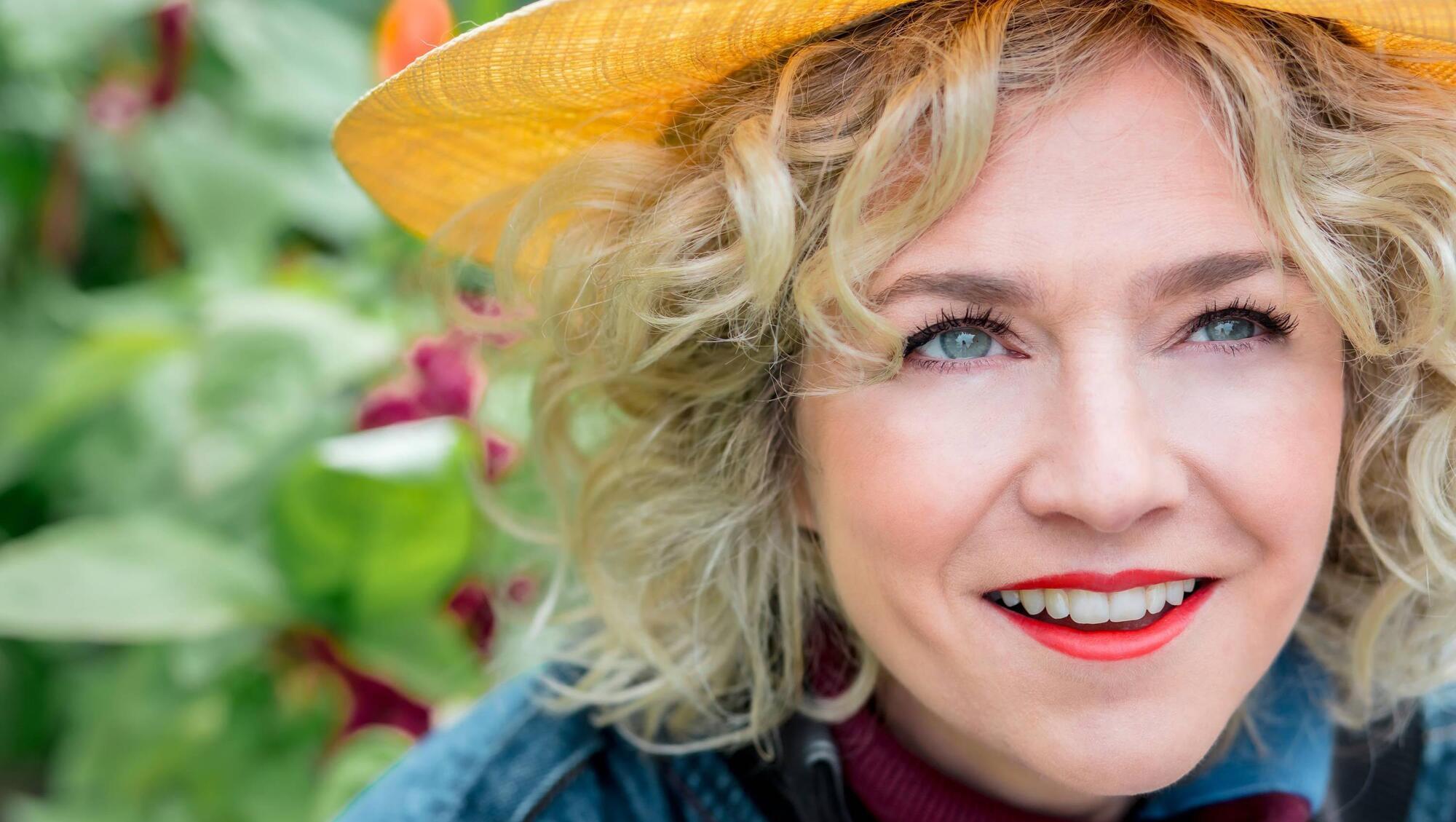
Michelle Darmody is on a quest to bring awareness to all aspects of our food’s journey from the soil to the plate in her fun new book, writes Dee Laffan
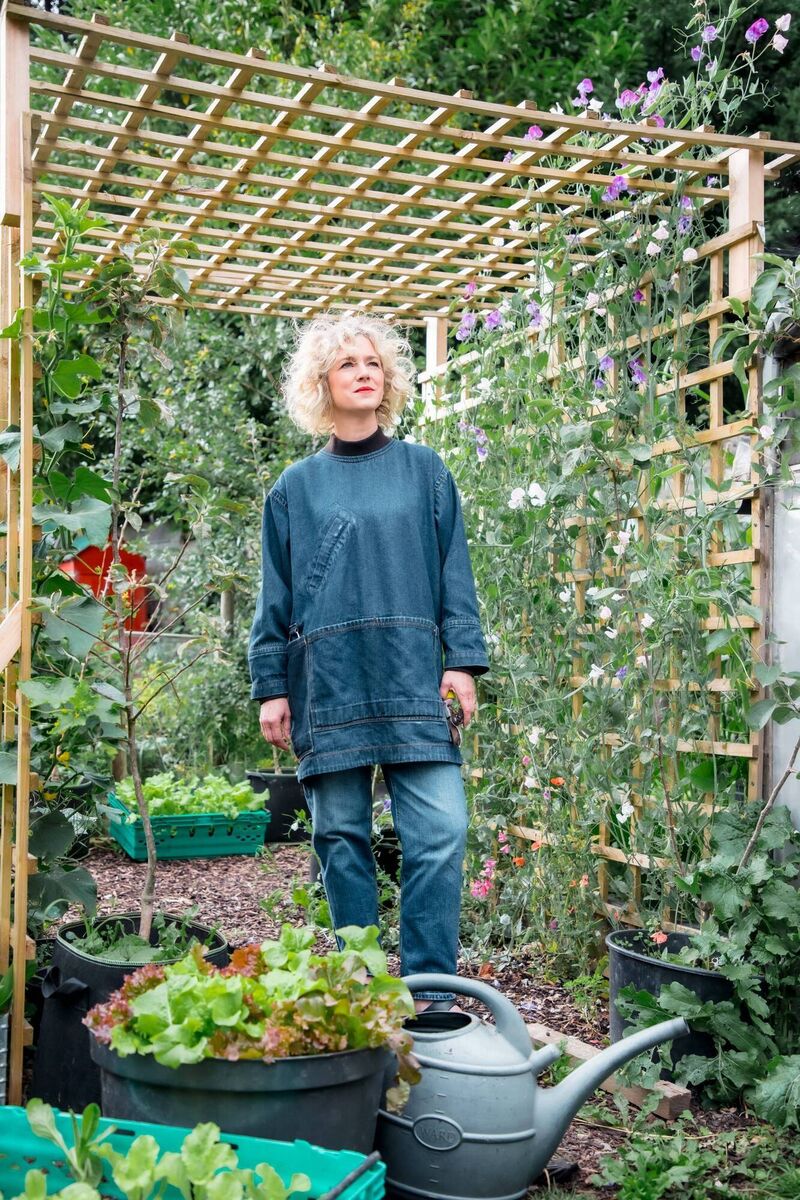
Dr Michelle Darmody. Pictures: Nina Val.

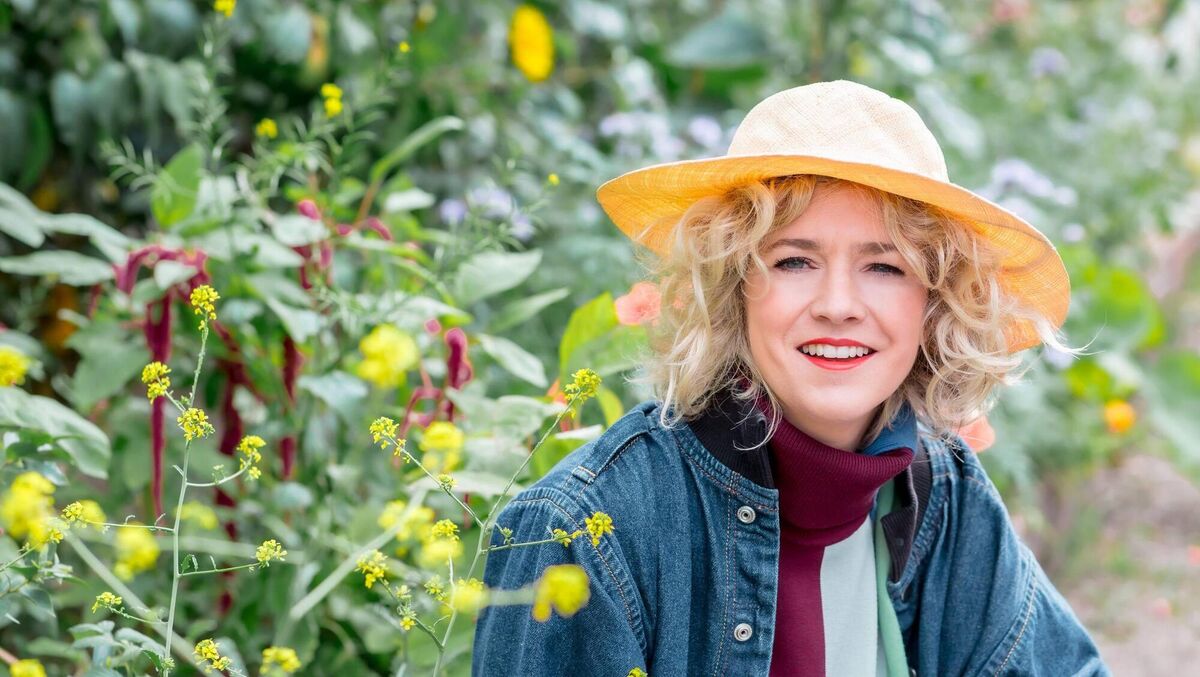
Dr Michelle Darmody. Pictures: Nina Val.

Is it fair to say that everyone enjoys food? Whether you love an ice cream on a sunny day, a warm tart straight out of the oven, or sharing food with a table full of family or friends, there is a moment that we can all relate to where we connect with food.
The problem is that, in a lot of cases, the connection is momentary. Where our food comes from and the journey it has taken is not told or understood and, therefore, our empathy towards food is lost. There is a disconnect.

Michelle Darmody, author of Seed to Supper: a journey of food from the ground up, aims to reconnect people with food and instil some added pleasure of it.

Darmody says: “The goal, I think, is to engender conversation around food and to foster enjoyment. Sometimes, when we talk about food education, people are told what they can’t or shouldn’t do; it’s a narrow approach to food. I’m hoping this will show that there are loads of different aspects and you can kind of delve into one or all of them, if you wish.”

Darmody is an award-winning columnist for the Irish Examiner, has a PhD in sustainable food education, her research projects have won RETHINK Ireland Social Innovation funding, she was named an Ashoka Changemaker, and she has become a regular commentator on food and education for Irish media.

Her work brings together sustainability, food entrepreneurship and creativity stemming from years as a food business owner. Founder and proprietor of The Cake Café, on Camden St, for 11 years, and Slice, in Stoneybatter, for a number of years, she was educated in art college, and was brought up in a home where food and the enjoyment of sharing it took centre stage.

Dr Michelle Darmody: "The goal, I think, is to engender conversation around food and to foster enjoyment."

Darmody says: “We were really lucky. My dad was really into cooking, even in the 80s. My friends used to come over and comment on ‘the weird ingredients’ in the house. There was always something being cooked up or some experiment going on in the kitchen around cooking. My mom is a very good baker, so the two of them complemented each other very well in that sense.

“My parents both just loved food and we had a garden and grew some stuff. They had five kids so, you know, life was challenging to get everything done, but there was always something being baked and cooked. It was a house where people were always welcome at the table. We would always have dinner together, but there was often neighbours thrown in, or colleagues of my dad’s, and people who might stay with us for a week or during the summer. I guess it was a house where cooking, eating and sharing food took priority. I was just lucky in that sense and that probably carried through for me.”

During the last year or two of owning The Cake Café, Michelle started doing projects off-site.

“I was working with IMMA [Irish Museum of Modern Art] and had started the Summer Rising event and organised a lot of workshops around food and family events. I really enjoyed that side of it. I also started a master’s degree and really enjoyed the learning side of things. Those two things were a little bit of an impetus for change. I’d had Cake [Café] and had opened Slice, and while I really enjoyed working in both, I just came to a stage when I was just looking a little bit ahead and thinking that I wouldn’t mind trying something different. There was no real fall out of love moment or anything.”

Darmody’s experience in hospitality, teamed with her ambition for activism in areas around food led her to begin projects such as Our Table, which drove a conversation around Direct Provision, and her current project, Our Shared Plate, a ground-breaking pilot project designed to support neighbourhoods in growing, cooking, and eating together.

However, it is through her new book, Seed to Supper that she hopes to sprout a conversation around food with a younger audience and families.

“When you’re doing a PhD, everyone asks you ‘what’s the audience?’ and the answer, generally, is academic journals, which I did publish [in]. However, for me, what was more important were the children. They were the ones who were the impetus for the research,” says Dr Darmody.

“For my research, I worked with children in eight different schools in the greater Dublin area and got feedback from them on what they wanted. We had loads of chats and did workshops, adapting each time. I really enjoyed what I learned and how we developed the course over the few years. The flow of the book came from all the conversations I was having — the natural process of where food comes from and how it grows. At the beginning of the two-year education project I was doing with them, we’d start with the soil and looking at the seeds. They’d learn to plant and follow the year and then they’d learned to cook around harvest time.”

Dr Michelle Darmody: "It is what you do in your kitchen, cooking, etc, but it’s also your shopping, culture — it’s so important to people in so many different aspects — and it affects the climate."

Seed to Supper takes you through every stage of food’s journey from its start as a seed in the soil to the table via the kitchen and everything — and everywhere — in between. It aims to not only teach readers how to grow, buy and cook food, but how what we eat affects the planet and show how people eat and share food at dinner tables around the world. There are plenty of cooking tips and easy recipes you can make yourself, along with DIY activities, anecdotes and facts, all with the aim of following food from the ground up to see how food connects us all.
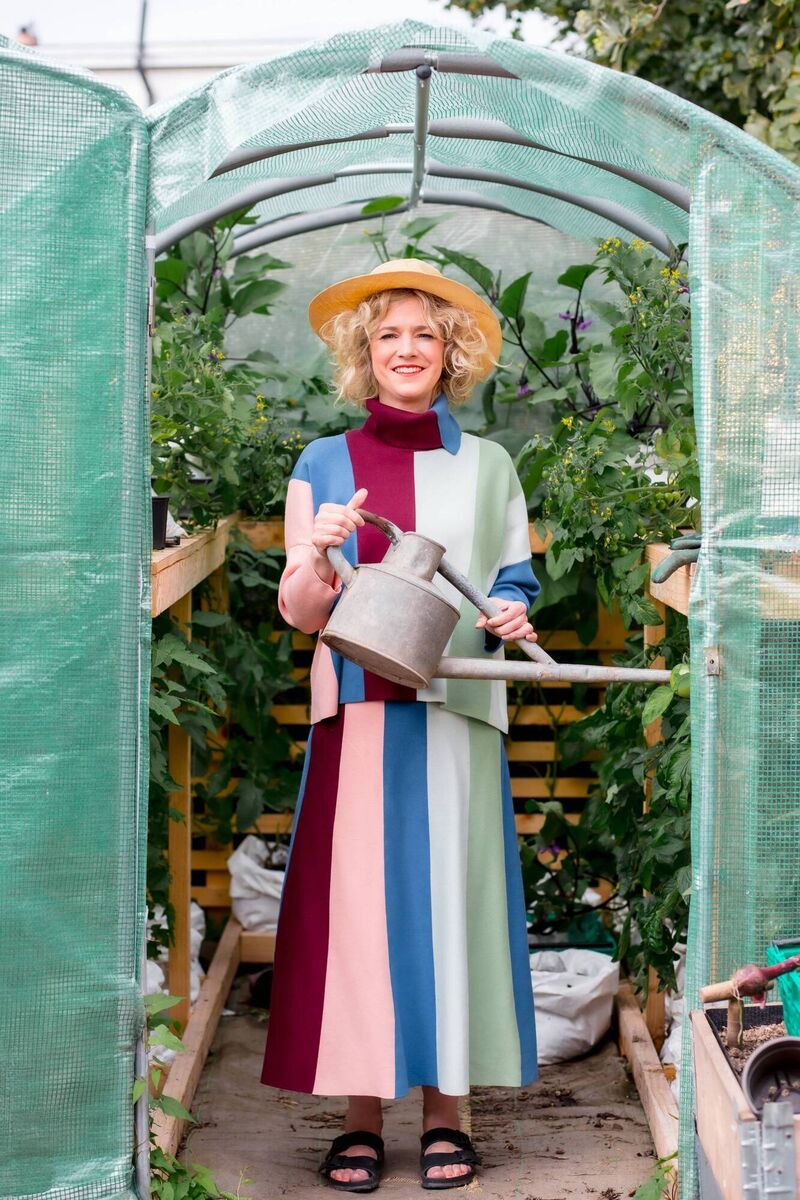
“Sometimes food falls between a lot of cracks because it’s so all-encompassing,” Darmody explains. “It is what you do in your kitchen, cooking, etc, but it’s also your shopping, culture — it’s so important to people in so many different aspects — and it affects the climate. A lot of books are very specific to one aspect of that.

“A lot of my learning from my PhD was around framing the conversation around food because food is all of these things and we have to look at it in a very broad sense and a circular approach.

“I think this book looks at food in a much wider sense and is talking to children, probably in late primary school, but I would hope people feel they can access it at different ages.

“My daughter, Della, who is three years old, keeps saying to me that she wants to find the bee. In the book, there’s a bee on every page, so she wants to use the book to find it. The graphics appeal to younger kids as they don’t read the words, but then if the parents can read the words to the children, then it reaches this younger audience too.

“I hope I’ve used a language that’s clear and concise, but definitely not in any way didactic. I think it’s a very open approach to food with a clear explanation about the reality of things and how to do things, such as some growing and cooking.

“I’m hoping it’s something you can delve into bit by bit or you can read cover to cover, whatever your family prefers.”

Dr Michelle Darmody: "I do think schools are a good place for education to start. I think experiential learning — hands-on, know-how around food — is vitally important."

Through her work and education in food, Darmody’s anchor is education, but what are her thoughts around the role education can play in children’s relationships to food, healthy eating and sustainability?

“I think education is really important,” she says. “I’m conscious of not overloading schools and teachers, but I do think schools are a good place for education to start. I think experiential learning — hands-on, know-how around food — is vitally important.

“It’s much more beneficial for a kid to get their hands dirty in the soil, stir a pot of soup, or learn how to sauté an onion and smell it.

“There’s a tactile sense to it. There are senses involved in food that you can’t get as much from when you’re looking at a book or a whiteboard. It’s about figuring out ways with teachers and education in Irish classrooms on how we can maybe bring that in more.

“With this book I just want to share knowledge and learning and hope that people will enjoy it. I hope people will enjoy food and experience it as a family together.”

  • Michelle Darmody’s new book, Seed to Supper, published by Nine Bean Rows, is out August 29, priced at €20. 
  • She will launch it at Waterstones on Patrick St, Cork at 7pm on Thursday, September 5, with fellow Irish Examiner food writer Darina Allen.

Magic Tomato Sauce

recipe by:Michelle Darmody

This magic tomato sauce can be used for topping a pizza or tossing through pasta with grated cheese and some fresh basil.

Magic Tomato Sauce

Preparation Time

10 mins

Cooking Time

20 mins

Total Time

30 mins

Course

Side

Ingredients

  • 1 medium onion

  • 1 small carrot

  • 3 garlic cloves

  • 1 tbsp olive oil

  • 400g tin of chopped tomatoes

  • 1 tbsp tomato purée

  • 2 tsp honey or golden caster sugar

  • salt and pepper

Method

  1. Peel the onion and carrot, then chop them into small dice.

  2. Peel and crush the garlic cloves using a garlic crusher.

  3. Pour the oil into a frying pan that has a lid. Put the pan on a medium heat on the hob. When the oil is hot, add the onion and carrot and sauté until the onion is see-through. This means keeping the temperature low and allowing the vegetables to cook slowly for five minutes. You can pop the lid on as they sauté – it will keep them moist. Just stir them every now and then.

  4. Add the garlic and cook for about three minutes.

  5. Stir in the tin of tomatoes, the tomato purée and the honey or sugar. Add 1 tbsp of water to the empty tomato tin and swirl it around to rinse out the tin, then add the water to the pan. Season with salt and pepper to taste.

  6. Put the lid back on the pan, reduce the heat to very low and allow the sauce to bubble for about 15 minutes.

  7. Blitz the sauce with a soup gun or in a blender until smooth. It’s now ready to use however you like.

  8. Once the sauce has cooled completely, store it in the fridge. It will last for up to a week in an airtight container. If you would like to freeze some of your sauce to use later, it will last for up to a month in an airtight container or bag in your freezer.

A Big Pot of Chilli

recipe by:Michelle Darmody

This is a great family sharing dish. Put the pot in the centre of a table and allow everyone to help themselves. Three other bowls with rice, natural yogurt and chopped coriander can also be put on the table so people can add as much as they like.

A Big Pot of Chilli

Servings

6

Preparation Time

40 mins

Cooking Time

40 mins

Total Time

1 hours 20 mins

Course

Main

Ingredients

  • 1 small onion

  • 1 small carrot

  • 1 small stick of celery

  • 1 small fresh chilli (or less if it’s a very hot chilli) or 1 tsp mild chilli powder

  • 400g tin of red kidney beans

  • 1 tbsp olive oil

  • ½ tsp ground cinnamon

  • 450g minced lamb or beef

  • salt and pepper

  • ½ batch of magic tomato sauce (see ieFood)

  • To serve:

  • boiled rice

  • natural yogurt

  • fresh coriander

Method

  1. Carefully peel and chop your onion and carrot into very small square dice. Chop the celery stalk this way too.

  2. Cut the chilli in half lengthwise, then scrape out the seeds and throw them away. Cut the red part of the chilli into thin strips. Extra care is needed for this, not just with the sharp knife, but with washing your hands after you chop the chilli. Chilli can really hurt your eyes or skin if you rub it in by accident after you touch one!

  3. Open the tin of beans. Drain the beans in a colander in the sink to remove all the liquid, then rinse the beans. They are now ready to use.

  4. Pour the oil into a large saucepan that has a lid. Put the pan over a low heat on the hob. When the oil is hot, add the onion and sauté until it’s see-through. This means keeping the temperature low and allowing the onion to cook slowly for 5 minutes. You can pop the lid on as the onion sautés – it will keep it moist. Just stir every now and then.

  5. Add the carrot and celery and sauté for another 5 minutes.

  6. Add the chilli and cook for about 30 seconds, then stir in the cinnamon.

  7. Add the mince to the pan and keep stirring until it’s all browned. Break up any lumps with your wooden spoon as the mince is cooking.

  8. Add the beans to your pan. Season with ½ teaspoon of salt and ¼ teaspoon of black pepper.

  9. Add the magic tomato sauce and allow it to bubble away for about 30 minutes. Make sure the mince is cooked through by checking that all of the red or pink colour is gone.

  10. Take a spoonful of the chilli and allow it to cool before tasting it. See if you think it needs a little more salt or pepper – this is called seasoning.

  11. Serve your chilli with some boiled rice and a spoonful of natural yogurt on top. It’s also good with some fresh coriander – just wash the leaves and stems, chop them up and sprinkle them over the top.

Apple and blackberry crumble

recipe by:Michelle Darmody

This crumble uses blackberries that you can pick from the hedgerows at the end of the summer, but you can use another type of berry instead.

Apple and blackberry crumble

Servings

4

Preparation Time

45 mins

Cooking Time

30 mins

Total Time

1 hours 15 mins

Course

Baking

Ingredients

  • 420g cooking apples (such as Bramley apples)

  • 100g fresh blackberries

  • 1 dsp maple syrup

  • ¼ tsp ground cinnamon

  • juice of ½ orange

  • For the crumble topping:

  • 55g cold butter

  • 85g plain flour

  • 40g brown sugar

  • 50g porridge oats

Method

  1. Preheat your oven to 200°C (180°C fan).

  2. First, make the crumble topping. Cut the butter into small cubes.

  3. Mix the flour and sugar together in a large bowl, then add the cubes of butter. Start to rub the butter, flour and sugar between your palms. The aim is to combine them all so the mixture looks like breadcrumbs. It will take a minute or two. You shouldn’t see any big chunks of butter when you’re done.

  4. Stir in the porridge oats and set the bowl aside.

  5. Peel the apples, cut them in half and cut the cores out of the centres. Cut the apples into large dice.

  6. Use a baking dish that can go into a hot oven and that the crumble ingredients will fit into. Put half of the apples and half of the blackberries in the dish. Pour over the maple syrup and sprinkle with half of the cinnamon.

  7. Add the rest of the apples and blackberries. Pour over the orange juice.

  8. Sprinkle the crumble over the top so that the apples and blackberries are all covered. Press it down lightly, then sprinkle on the rest of the cinnamon.

  9. Bake in the preheated oven for about 30 minutes. Push a butter knife into the centre to make sure all the apple chunks are soft.

  10. Let the crumble cool for about 15 minutes before serving. This is nice with custard, cream or ice cream.

More in this section

ieFood

Newsletter

Sign up for our weekly journey into the best of Ireland’s food scene with recipes, reviews and stories from our award‑winning food writers.

Cookie Policy Privacy Policy Brand Safety FAQ Help Contact Us Terms and Conditions

© Examiner Echo Group Limited