Culture club: Kefir is the new fermented kid on the block
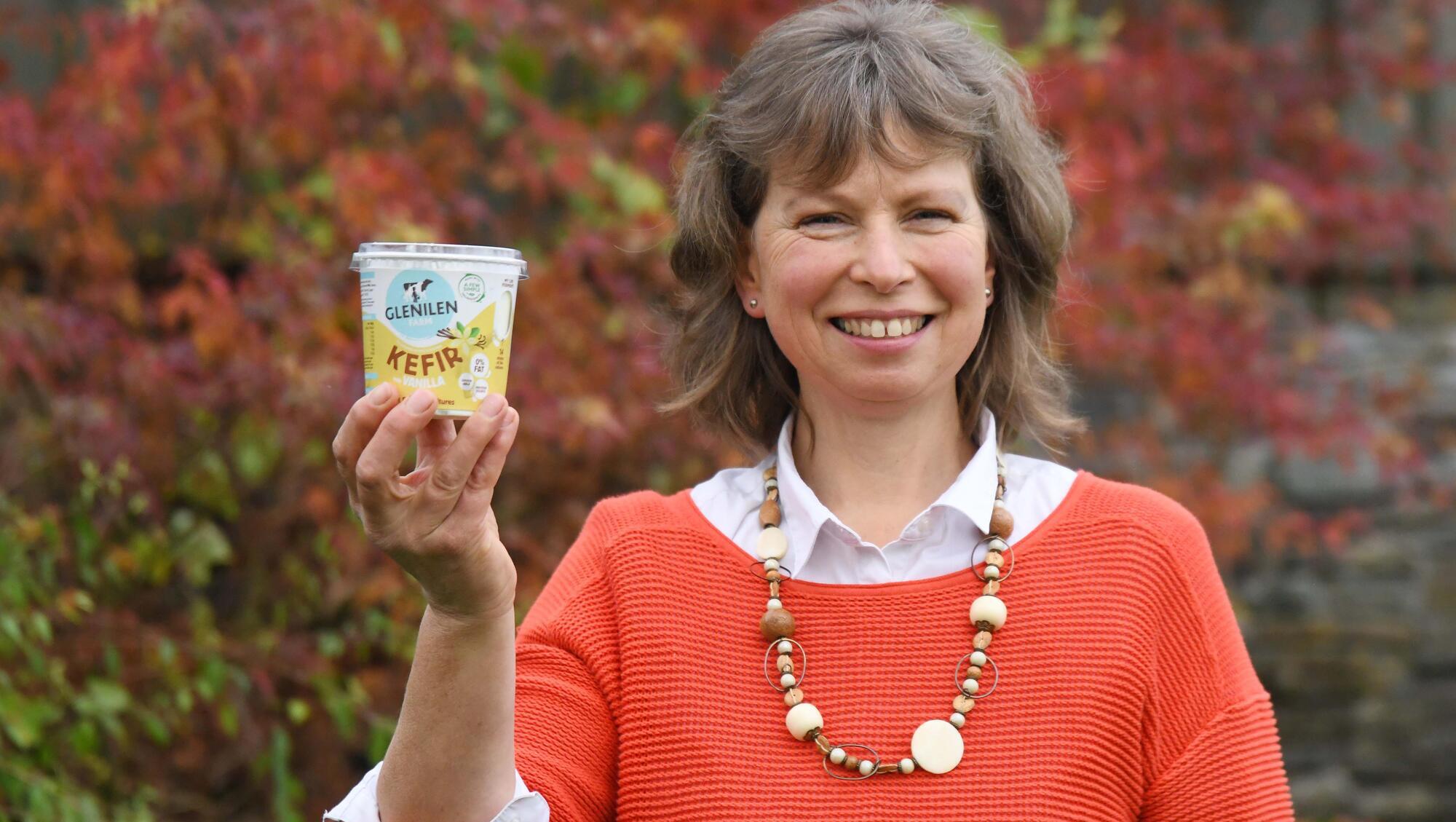
Valerie Kingston of Glenilen Farm in West Cork with Glenilen Kefir Yoghurt. Picture Denis Minihane.
In a world where kombucha is easy to pick up at a service station shop and sauerkraut sits next to hummus on supermarket shelves, kefir is the new fermented kid on the block that’s making inroads into our daily lives. There are two different types of kefir: milk kefir and water kefir, both of which deliver probiotics. While water kefir is dairy-free - useful for vegans or those who want to avoid dairy - milk kefir has the edge when it comes to the variety of beneficial bacteria and yeasts it contains.
Though it might be relatively new to us, milk kefir has a long history of being made and consumed in the Northern Caucasus mountains that divides Asia and Europe, an area notable for having a high number of centenarians. For many people in Ireland, their first introduction to kefir was via the 2017 publication of by UCC academics John Cryan and Ted Dinan and US science writer Scott Anderson.
A talk given by Dinan drew the attention of Valerie Kingston from Glenilen Farm, a West Cork dairy business that started off with Kingston making yoghurt in her farmhouse kitchen in 1997. With a background in food science and technology, Kingston has long been fascinated with the whole area of fermented dairy.
“I first heard Ted Dinan speak about kefir at Ballymaloe Litfest a few years ago. He was talking about the link between the gut and the brain and how it can be improved through diet,” she says.
The research carried out by Dinan and Cryan has found that eating fermented food rich in probiotics, foods like yoghurt, kombucha, kefir and sauerkraut, helps to feed microbes in the gut which play a fundamental role in regulating our physical and mental health. There are between one and two kilos of bacteria in the adult intestine - about the same weight as our brain - and, as Kingston points out, “that bacteria produces the kind of amino acids, like tryptophan, that we can’t get in our food.”
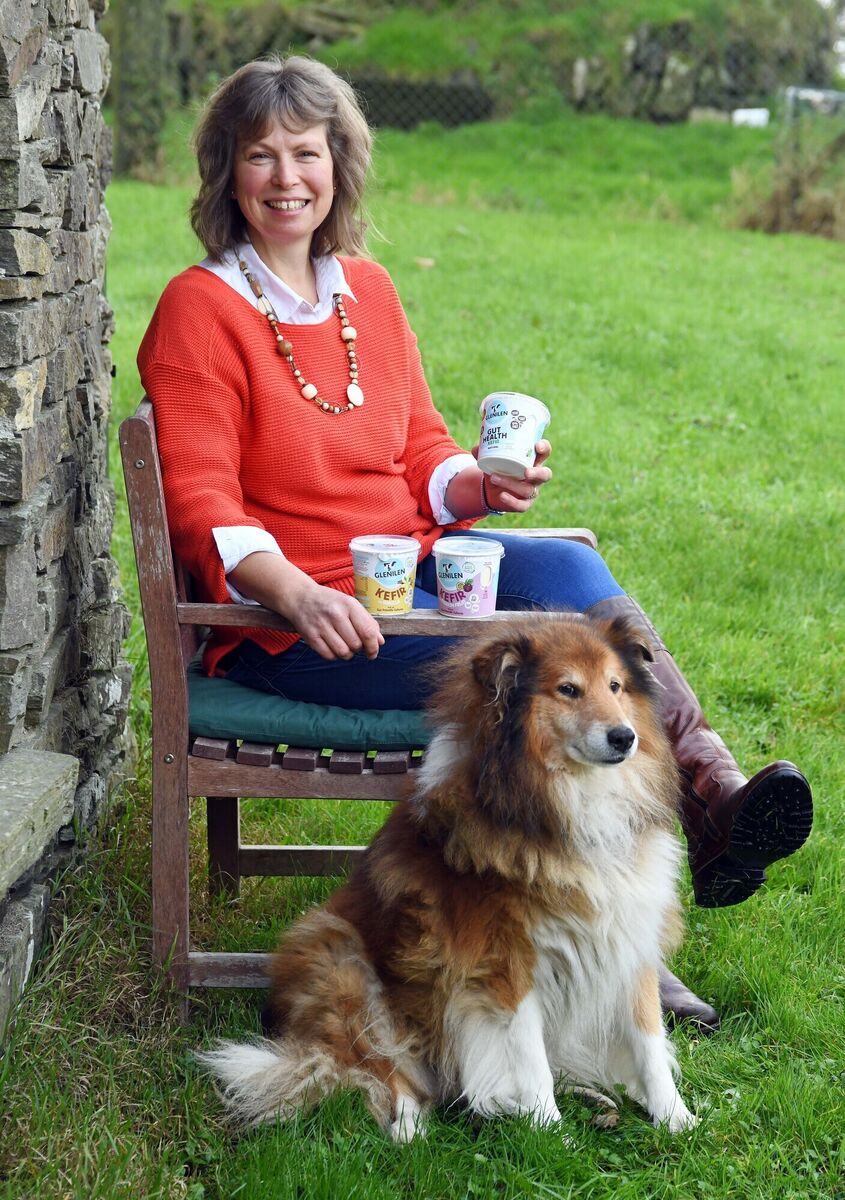
At Glenilen they started to experiment with introducing kefir into natural yoghurt, which already contains live probiotic cultures. “It’s the same process as making yoghurt,” says Kingston. “We take in milk from our neighbours in the surrounding area, pasteurise it and ferment it. The cultures, or bugs, that we use come in frozen form. We add a pack of them into a huge vat, leave it overnight and it’s like magic - the next morning it’s transformed into a lovely silky curd. We stir it gently, pop it in the pot and into the fridge. It’s so simple, you can make it in your own kitchen.”
Many people do: it’s possible to buy milk kefir grains - which look somewhat like rubbery cauliflower florets - online, introduce them to milk and let them ferment overnight for your very own homemade kefir. The only problem is in keeping up with the output. Milk kefir grains are productive little organisms and need regular feedings of fresh milk, often producing more fermented milk than one household is capable of consuming.
That’s not such a problem for Kingston, who has been delighted with the reaction to this new Glenilen product: “It has really taken off for us. It’s one of those new products that is really resonating and the sales have shown that.”
She believes kefir is “a little part of the big picture” when it comes to a healthy gut. “It’s also about daily exercise, eating good, wholesome nutritious food and having plenty of fibre in your diet. And,” she laughs, “you could eat the sauerkraut - but I’d prefer the kefir.”
"Organic starter cultures are available from Limerick-based Live Ferments, starting at 5g for €14.50, which makes 250ml of milk kefir.
"My advice? Start small, or your kitchen will start to resemble something like the magic porridge pot, only with fermented milk."
See kefirgrains.ie
made in Drumshanbo, Co Leitrim from locally sourced organic milk, Blake’s kefir is available in 250ml bottles online and via outlets nationwide - check out the map on their website for a stockist near you. blakesalwaysorganic.ie
Find this yoghurt-style kefir, made with 14 strains of live kefir cultures, at supermarkets in natural, passionfruit and vanilla variations. g lenilenfarm.com
Mary-Thea Brosnan started Kerry Kefir in her parents’ kitchen in Castleisland in 2018 before demand saw her move to a nearby repurposed shipping container. She uses kefir grains to make her fermented 1lt glass bottles of goodness that can be purchased online. She also supplies SuperValu and a range of independent food shops nationwide. kerrykefir.ie
based near Killygordon in north Donegal, Nomadic introduces 12 kefir cultures to pasteurised low-fat cow’s milk to make their bottles of lemon, raspberry and natural kefir. Available in Aldi. nomadic-dairy.com
just whizz kefir up with your preferred mixture of fruit and serve with a straw.
the more yoghurt-like texture of Glenilen kefir is perfect for a porridge topper, along with a handful of nuts and seeds.
soak your oats or chia in kefir, diluted with extra milk if necessary, for an extra boost of nutrition in the morning.
spoonable kefir is a great substitute for yoghurt.
this tangy salad dressing works especially well drizzled over roasted vegetables, crispy lettuce or folded through potato salad. In a jar, shake together 50ml plain milk kefir, 50ml apple cider vinegar, 100ml extra virgin olive oil, 1 teaspoon Dijon mustard and 1 teaspoon honey until creamy and emulsified. Add salt and pepper to taste and keep in the fridge.
If you have a surfeit of kefir it can be used anywhere you would use buttermilk: to marinate chicken or in pancakes, soda breads, waffles, scones or even chocolate cake. Keep in mind that heating kills the good bacteria.