Stone mad: how one man revived an ancient Irish sport to beat Covid blahs

David Keohan began lifting heavy stones during covid when he couldn’t go to the gym. What started as a temporary fix has become a life’s purpose and quest
Stone mad: how one man revived an ancient Irish sport to beat Covid blahs

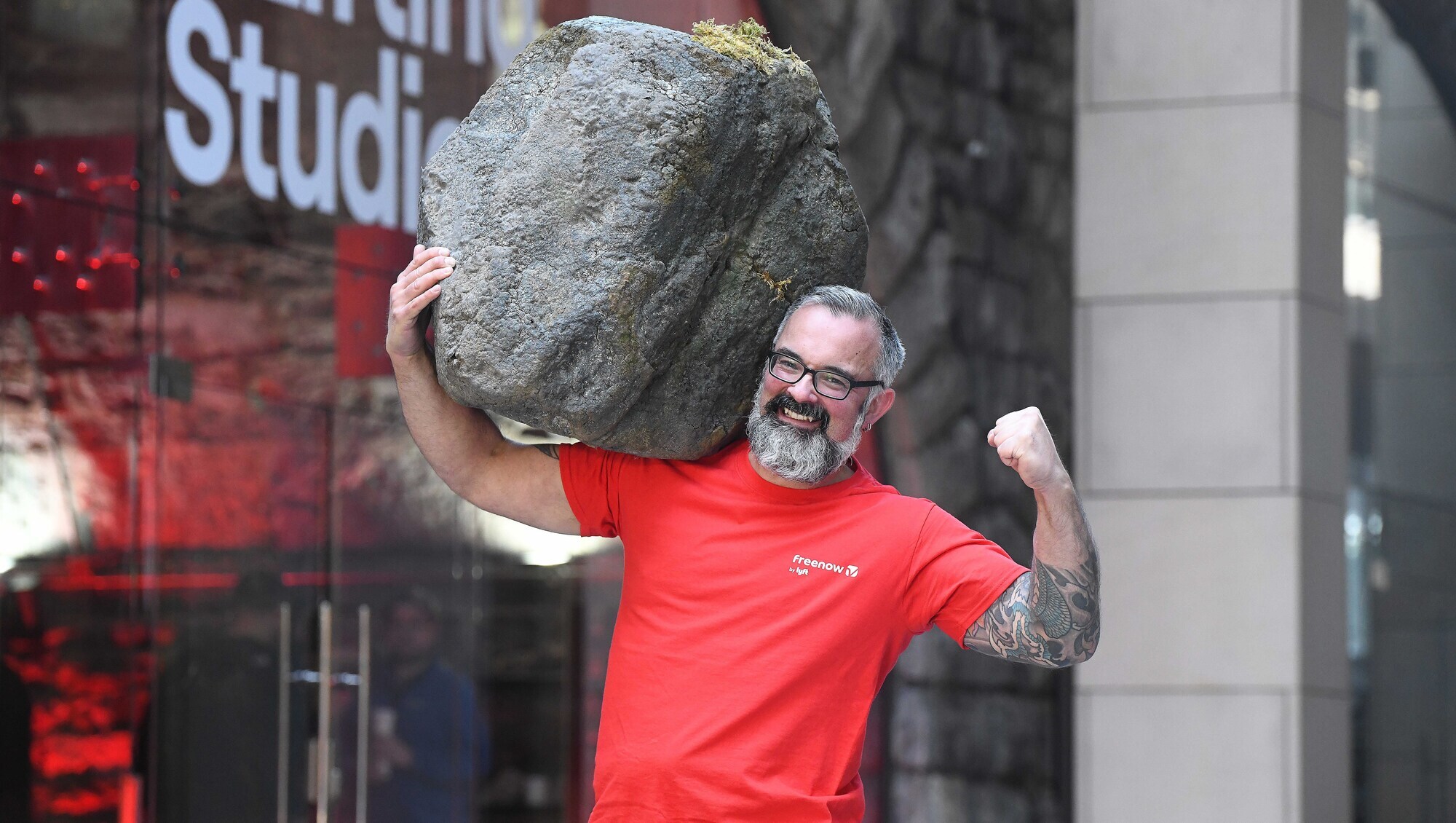
David Keohan, stone lifter. Photograph Moya Nolan
TO SEE David Keohan lifting stones is to witness the embodiment of a culture that stretches back to the dawn of Irish civilisation.

In the last four years, the Waterford native has revived a tradition on the brink of extinction.

“The catalyst for me was the covid lockdowns,” says the 46-year-old.

“I competed for Ireland in kettlebell lifting for eight years, but when covid came along, I couldn’t get to a gym and I started lifting what was out in the back garden: Rocks.

“I fell in love with the primal vibe of lifting a stone from the ground. I loved the feel of it and just being outside.”

One day, on a whim, he typed the term ‘stone lifting’ into a search engine and came across a series of articles and documentaries about the sport in Iceland, Scotland, and the Basque Country in Spain.

“I said to myself, ‘There must be something in Ireland’, and I just started pulling at the thread of it.”

He discovered one reference: A story entitled The Stone, written in 1937 by Liam O’Flaherty, the tale of an old man lifting a large granite boulder on Inis Mór.

“The details were very specific, almost too specific to be a pure work of fiction,” Keohan says. “So I went to the Aran Islands and, sure enough, I found that stone. From there on, it’s just been rolling a stone down a hill and it’s been gathering momentum ever since.”

Since tracking down and lifting that first stone, near Dún Aonghasa, he has discovered and lifted no fewer than 53 stones across the country. 

While his three, now teenage, children thought he had gone mad, he has doubled down. He will often root out locations from references in literature, and cross-reference them with old maps, new maps, and local folklore, until he finds the lifting stone.

Many of these stones are glacial erratics, carried by glaciers and deposited on top of different bedrock. “They stood out because of their shape and their beauty,” he says. “If you look at the one on Inis Mór, it’s a round granite boulder in a field of grey limestone, so it’s not native to the area.”

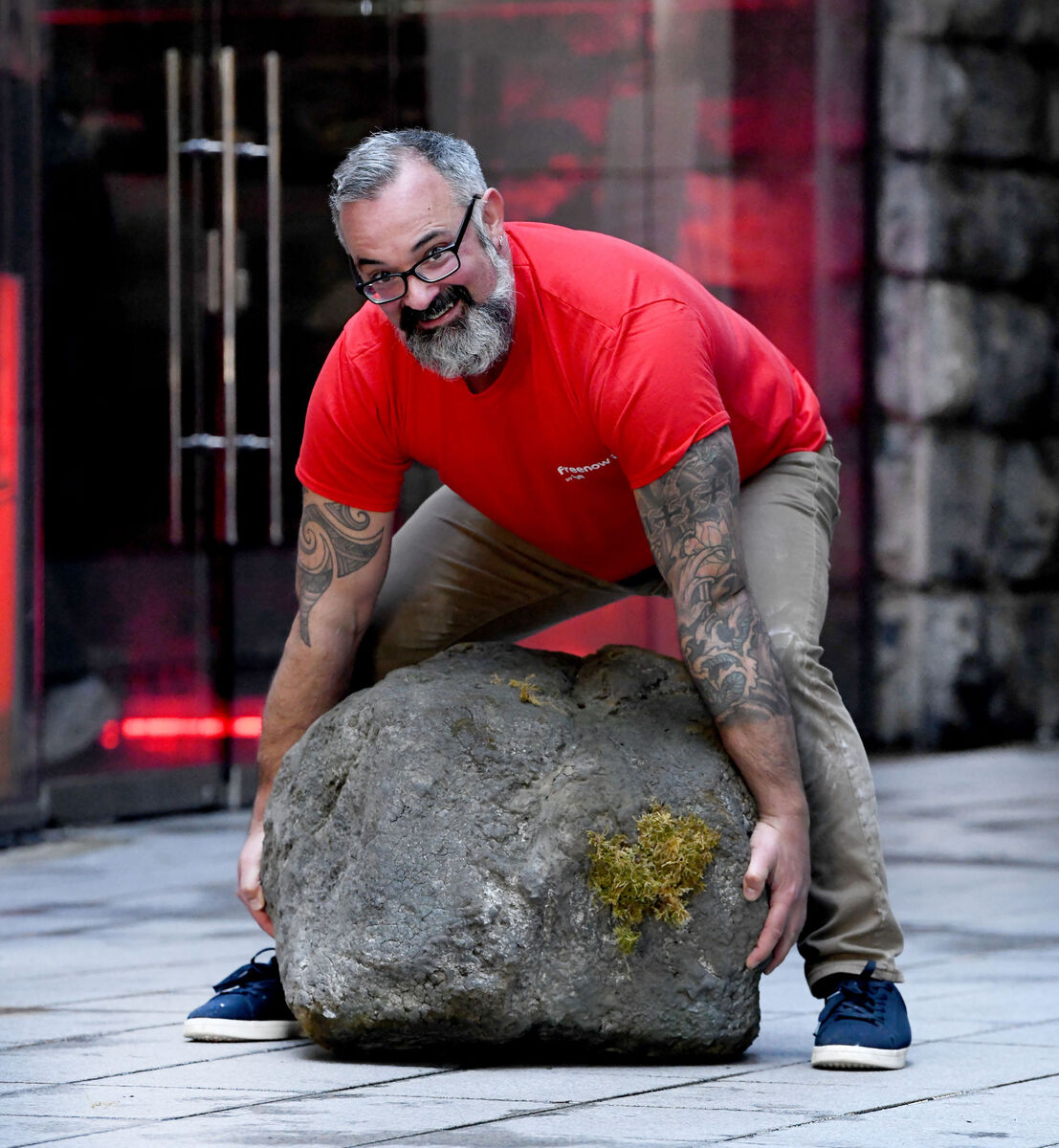
 David Keohan, stone lifter. Photograph Moya Nolan
David Keohan, stone lifter. Photograph Moya Nolan

Earlier this year, RTÉ released Made of Stone, a remarkable television documentary following Keohan on his journey. That film made national headlines, but, long before it aired, his story had been gaining traction online.

“There’s a real community growing now around stone lifting, with tours and talks, showcasing how beautiful a culture this is,” Keohan says. “The number of people who are now going to lift these stones has grown and there’s a pride in local areas.

“People want to know if they have a stone in their county and, if they do, is it the heaviest? Typical Irish tribalism.”

Last weekend, Keohan brought the stone lifting renaissance to Dublin. He was part of a team hosting a two-day workshop open to the public at Ireland’s First Stone Lifting studio, hosted by Free Now by Lyft. Right before my eyes, Keohan lifts a 70kg granite stone and rests it on his chest.

There are three steps to lifting a stone properly. Step one involves getting the right grip, lifting it off the ground, and getting the gaoth faoi, or the wind, under it.

The second, and where Keohan’s power really shows, is lifting the stone onto your knees and cradling it, before finally standing and bringing it up your chest, where you rest it, take a few breaths, and gather yourself, before carefully placing it back down. “If you’re strong enough to lift it, you’re strong enough to put it back down,” he says.

“You need to place it back where you got it and don’t drop it, because you might hurt yourself or damage the stone. You have to respect the stone. These stones are very heavy. You need to take your time to build your strength to lift them.

“Strengthen your body, particularly your back, hips, and legs. Start off with lighter stones, work on the right technique, and get used to it.”

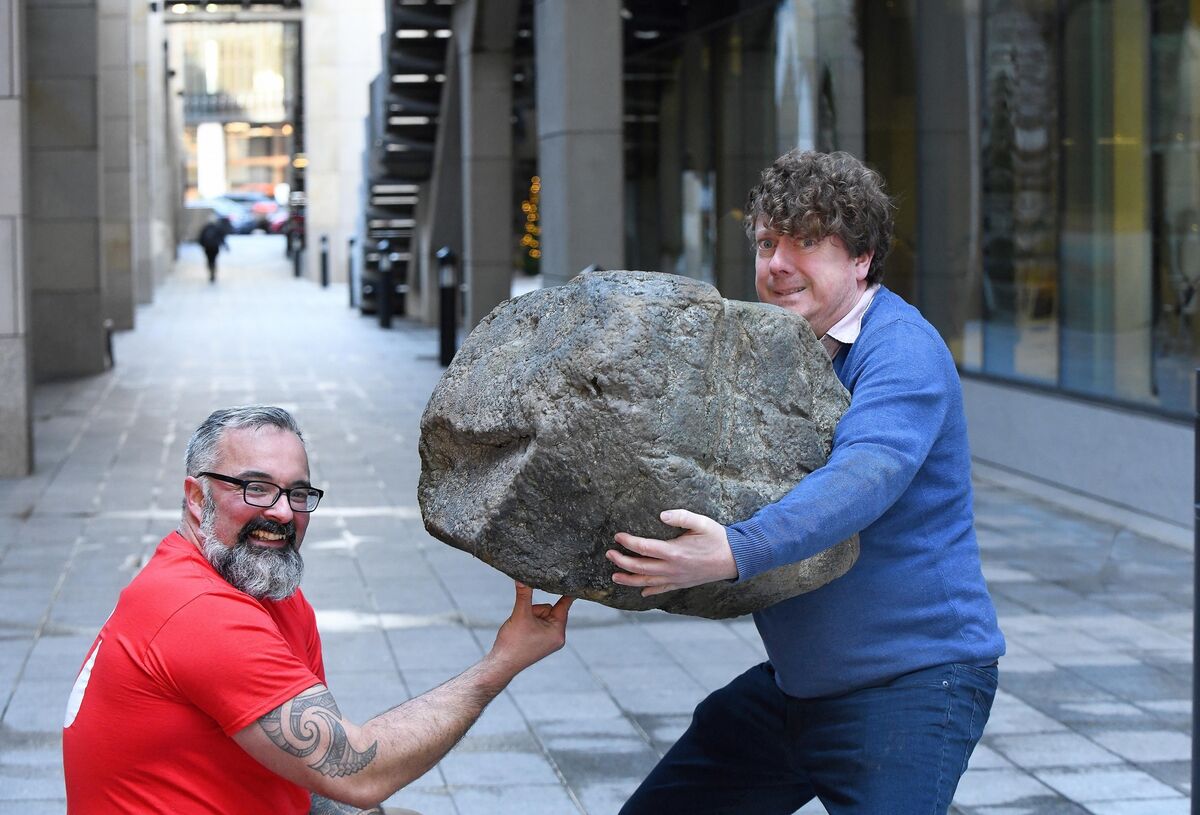
 David Keohan teaches Jonathan deBurca Butler the technique for lifting stones using a plastic stone. Photograph Moya Nolan
David Keohan teaches Jonathan deBurca Butler the technique for lifting stones using a plastic stone. Photograph Moya Nolan

Thankfully, when it came to my turn, none of that preparation had been done. So, for the sake of safety and my ageing back, Keohan decided it was best to teach me the technique using a plastic stone. Though it wasn't heavy (until Keohan leaned on it at photographer mischievous suggestion), the stone was cumbersome and awkward to lift, giving me some idea of the challenges this iron Irishman sets himself every time he lifts these giant boulders.

For Keohan, the benefits of stone lifting have been huge.

“I’ve gone from 75kg to 105kg,” he says. “My legs, my back, my quads, the whole posterior chain has got so damn strong. I’m stronger now at 46 than I was when I competed for Ireland. The health benefits, if you do it right, are incredible.”

While the physical benefits are evident, Keohan says the sport also gives people a boost in mental health and confidence.

“Mentally and spiritually, you’re going to some of the most beautiful places in Ireland,” he says. “It blows my mind how amazing this country is and I can’t describe to you how much that has affected me. I get an emotional pick-up from lifting these stones. I’ve seen people crying. It’s you versus the stone.

“Once you put your hands on these stones, you can feel the energy in them. You’re in a loop in time. How many people have touched this stone, how many people have lifted this, how many people have tried and failed or tried and succeeded and said it’s the best day of their lives? There’s such a presence in them.”

In Keohan, stone lifting has found itself an articulate and passionate ambassador, a student of Irish culture.

He will continue his journey up and down the island, uncovering and discovering these hidden treasures that sit like wise sentinels and custodians of our ancient heritage.

“There was a massive hidden culture there, waiting to be uncovered,” he says.

“It’s been amazing what’s happened, but, I suppose, it ticks so many boxes.

“Archaeologists love it, historians, folklorists, seanchaithe, strongmen and strongwomen, they all have an interest in it.

“It’s got history, culture, marrow-deep heritage and tests of strength. It’s a beautiful custom and it’s such a part of who we are. Now that it’s back, hopefully it will outlive us for time to come.”

Celebrating 25 years of health and wellbeing

More in this section

Lifestyle

Newsletter

The best food, health, entertainment and lifestyle content from the Irish Examiner, direct to your inbox.

Cookie Policy Privacy Policy Brand Safety FAQ Help Contact Us Terms and Conditions

© Examiner Echo Group Limited