Cooking with Colm O'Gorman: Slow-roast, spiced leg of Irish lamb with Muhammara
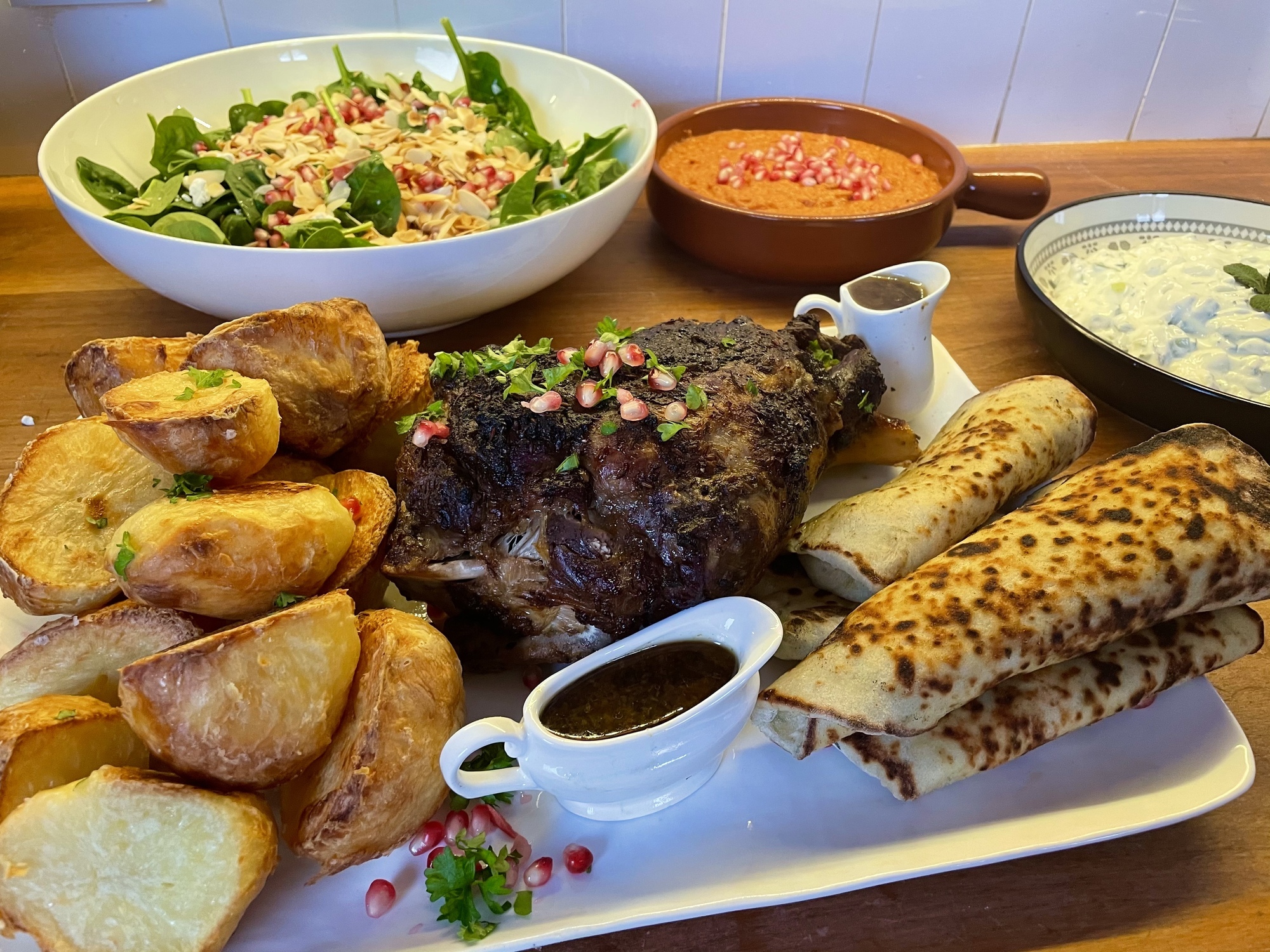
Slow-roast, spiced leg of Irish lamb with Muhammara: a Middle Eastern take on an Easter favourite
A roast leg of lamb at Easter is as traditional as chocolate eggs. If I am honest, I prefer the lamb to the chocolate. Irish spring lamb is a phenomenal ingredient. At Easter time, a roast leg of lamb is always on the menu in our house. I usually keep it very traditional; the lamb studded with garlic and rosemary and roasted until it is crisp on the outside but pink and tender inside and served with roast potatoes, freshly made mint sauce and all the trimmings.
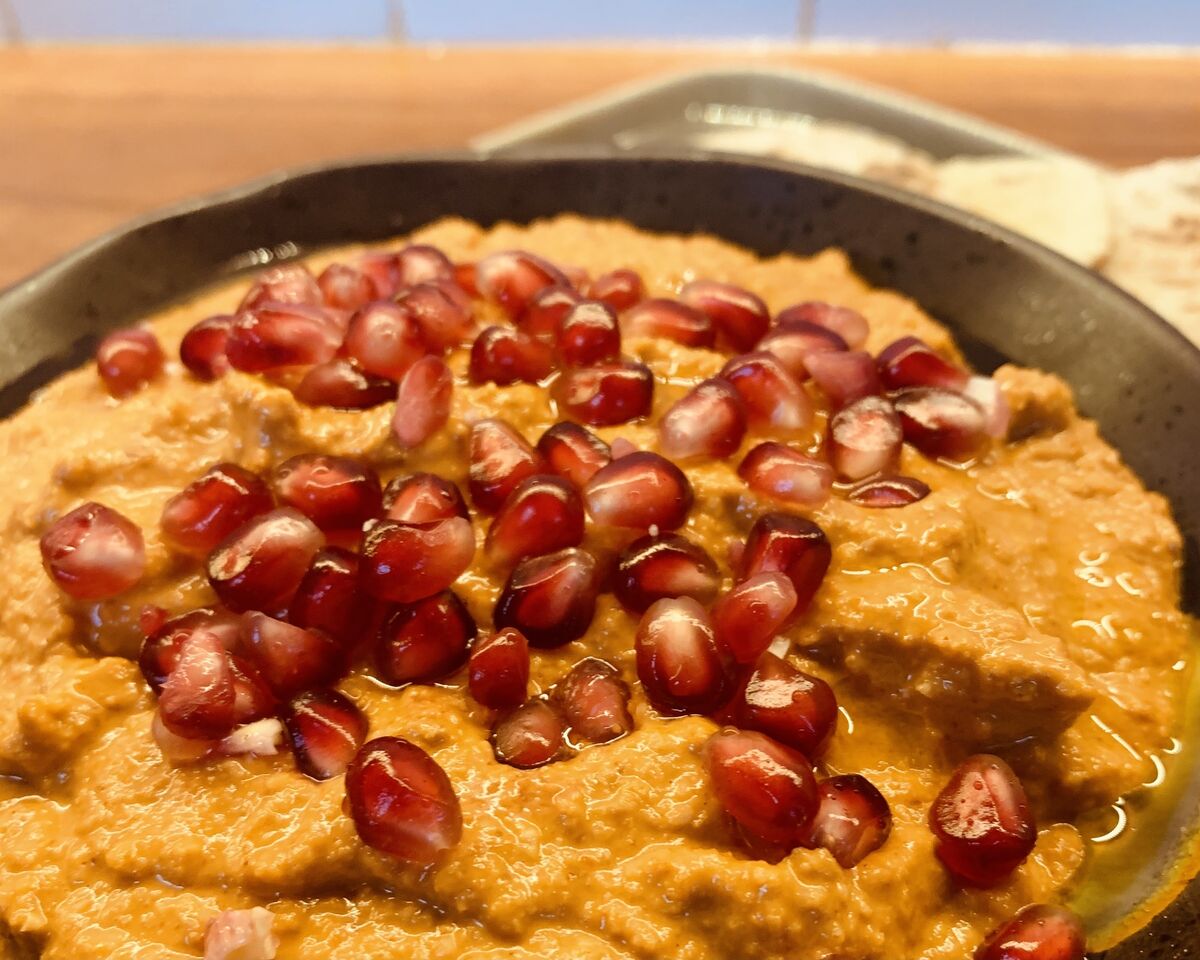
This year will be different though. As regular readers of this column will know, at a time when we cannot travel, I am instead cooking more and more food from other places. It brings much needed variety when life is so restricted. Instead of a traditional roast leg of lamb, I will be making a beautiful Middle Eastern inspired version, served with a wonderful dip called Muhammara and a few other sides. Muhammara has a similar texture to hummus, but is made using roasted red peppers and walnuts, flavoured with pomegranate molasses, lemon, and garlic.
One of my favourite cooks and cookery writers Nigel Slater does a wonderful version of this roast lamb. It is roasted slowly at a low heat and so tender you could carve it from the bone using a spoon. It is a very simple recipe; all that is required is to make up the paste and slather it over your leg of lamb before roasting it for three hours and forty-five minutes. It needs little attention while cooking, apart from basting it with its cooking juices every thirty minutes or so. This gives you time to make some lovely sides. I recommend serving this with my parsley flatbread and some tzatziki. I gave the recipes for those in this column a few weeks back and you will find links to them on my Instagram page if you do not have them to hand.
We will also have a big bowl of green salad made with baby spinach leaves, crumbled feta, some toasted flaked almonds, and fresh pomegranate seeds, dressed with just some extra virgin olive oil and a good balsamic vinegar. In a nod to tradition, we will also have some golden and crisp roast potatoes. Some may find that an aberration, but in our house, the roastie is critical to festive lunches. In any case, who could resist a perfectly roasted potato, crisp on the outside and soft and fluffy inside with a knob of butter melting over it and sprinkled with a little salt.
- Whole leg of lamb, approx. 2.5kg
- I tbsp fresh grated garlic
- 1tbsp fresh grated ginger
- 1 tbsp flaky sea salt
- 1 tbsp cumin seed
- 1/2tsp sweet paprika
- 1 tbsp dried oregano
- 2 tbsp olive oil
- 30g butter, melted
- Juice and zest of a lemon
- 3 large red peppers, about 800g
- 40g panko breadcrumbs
- 160g walnut halves
- 2 cloves of garlic, roughly chopped
- 2tsp of Allepo pepper
- (or substitute ½ tsp smoked paprika and ½ tsp cayenne pepper)
- Juice of half a lemon
- ½ tsp ground cumin
- 30ml olive oil
- 30ml pomegranate molasses
- 50ml extra virgin olive oil
- ½ tsp sea salt
First, roast the peppers for the muhammara. Heat your oven to 200c, wash the peppers and place them whole onto a baking tray. Roast in the preheated oven until they are soft and slightly charred. This will take about thirty minutes, turning once halfway through. When they are ready, remove them from the oven and transfer to a large bowl before covering it with cling film and let them cool.
Reduce the oven to 160c and prepare the leg of lamb. Combine all the ingredients for the paste in a bowl and stir to combine. Place the leg of lamb in a large, deep roasting dish. I use a big cast iron casserole dish for this, though I usually have to remove a bit of the bone from the end of the joint to make it fit. Pour over the paste. Rub it into the leg of lamb to get it well covered and pop it into the oven.
Roast for forty minutes, and then add 250ml of water to the pan. Roast for another three hours, basting it every thirty minutes with the liquid from the pan. Add a little more water if you find it is drying out too much. You want to keep a decent amount of liquid in the pan to baste the joint but also so that you have lots of lovely roasting juices to pour over the meat when you serve it.
While the lamb is roasting, make the muhammara and whatever other sides you want to serve.
Take the roasted peppers from the bowl, and remove the skin, it will peel off very easily now. Remove the stalks, seeds, and pith. Pop the walnuts and breadcrumbs into a food processor and pulse until they are reduced to a breadcrumb like texture. Add the roasted peppers and all the other ingredients. Blitz until it is smooth, you want something with a similar texture to hummus, scraping down the sides of the bowl to make sure everything is well combined. Transfer to a serving bowl and garnish it with a few fresh pomegranate seeds.
When your lamb is cooked, remove it from the oven and take it out of the roasting dish. Skim off the fat from the top of the juices and return the lamb to the dish before covering it and let it rest in the juices for about twenty minutes. Now plate everything up. Serve the lamb with its juices, using the flatbreads to soak up all that flavour and top each morsel with some muhammara and tzatziki. This is a meal to eat with your hands, so dig in and savour it.