The stuff of life

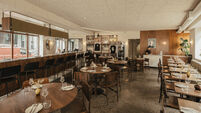
EAST CORK Slow Food Convivium was established in August 2002 and its latest event was a Slow Food dinner at Café Paradiso in Cork on August 21.

The stuff of life

So what's a Slow Food dinner? The mere mention of slow food causes considerable confusion and conjures up images of hearty stews bubbling away on the stove or lamb shanks braising gently for hours and hours.

Not so, although it could incorporate all or any of that. Neither does it mean slow service.

Slow Food is, in fact, a worldwide philosophy among people concerned with around all kinds of food issues.

"Slow Food works to counter the degrading effects of industrial and fast food culture that are standardising taste, and promotes the beneficial effects of the deliberate consumption of nutritious, locally-grown and indigenous foods. By promoting taste education programmes for adults and children, it works towards safeguarding and promoting public awareness of culinary traditions and customs.

The Slow Food movement supports artisan food producers who make quality products and promotes a philosophy of pleasure. In addition, it encourages tourism that respects and cares for the environment, and, last but not least, Slow Food promotes charity initiatives around the world.

Slow Food seeks to combine pleasure with an understanding of responsibility towards the environment and the world of agricultural production. One fundamental Slow Food idea is that gastronomes and food enthusiasts must be sensitive to the protection of endangered local cuisines, animal breeds and vegetable species. Slow Food's aim is to develop a new, less intensive, cleaner model of agriculture, one that is capable of preserving and improving biodiversity and offers prospects to the world's poorest regions.

Every now and then, Slow Food members and interested observers get together for a convivial event, which could be a tasting, a celebration of artisan producers, a lecture or a fabulous picnic such as the one organised by Clodagh McKenna for the West Cork convivium at Lough Ine on a sunny Sunday afternoon a few weeks ago.

Denis Cotter and his team of chefs cooked a delicious vegetarian dinner. In the very best Slow Food tradition, all the seasonal raw materials came from local producers.

Those of us who managed to get a ticket were fortunate, not only because of Denis's sublime food but to hear Patrick Holden, director of the Soil Association, speak on the importance of realising the connection between the quality of the food we eat and our health, an age-old message.

In the words of Lady Eve Balfour, founder member of the Soil Association, he reminded us "the health of plant, animal and human are all one and indivisible". The Soil Association and Slow Food are natural partners, the former passionate about the organic production of healthy plants and animals, the latter equally concerned about the former, but also passionate about taste and quality.

According to Patrick, the Departments of Health and Agriculture and the farming organisations are ignoring at their peril how unstable, intensively produced food is becoming and the detrimental consequences this has on public health.

With that food for thought, we tucked into dinner. Each course, a celebration of local food was accompanied by a wine chosen specially by Monica Murphy of Febvre & Co, who generously sponsor Slow Food Ireland. For details of how to join see Hot Tips.

Rigatoni with rocket, broad beans, cherry tomatoes, olives and fresh cheese

From Paradiso Seasons by Denis Cotter published by Atrium.

Rocket adds a little spicy kick and the tang of fresh greenery to a pasta dish, but only if you don't cook it too much. In fact, don't cook it at all, but stir it into the cooked pasta just before you serve.

Denis uses Knockalara sheep's cheese or Oisin goats' cheese crottins, but ricotta, mascarpone or any mild soft cheese would be fine too.

Bring a large pot of water to a boil and cook the pasta until just tender. Drain it and return it to the pot. Meanwhile, chop the spring onions into long diagonal pieces. Slice the garlic. Halve the tomatoes; stone the olives and chop them lengthways into halves or quarters. Heat a generous amount of olive oil in a wide pan and cook the onion and garlic gently for a minute. Add the tomatoes, olives and broad beans and cook for one minute more until the tomatoes break down a little. Add just a splash of water to the pan to pick up all of the juices, then tip the contents into the pasta pot with another generous glug of olive oil, a generous seasoning of black pepper and a little salt. Heat the pasta through briefly, then stir in the rocket. Serve the pasta and crumble some cheese over each portion.

For four:

450g rigatoni

4 spring onions

4 cloves garlic

100g cherry tomatoes

12 kalamata olives

120mls olive oil

4 tablespoons cooked broad beans

black pepper and salt, to season

100g rocket

100g fresh cheese, from goats; sheep's or cows' milk

x

More in this section

ieFood

Newsletter

Sign up for our weekly journey into the best of Ireland’s food scene with recipes, reviews and stories from our award‑winning food writers.

Cookie Policy Privacy Policy Brand Safety FAQ Help Contact Us Terms and Conditions

© Examiner Echo Group Limited