Joe McNamee: Celebrating the virtues of black pudding

Almost 15 years ago, I hosted a late evening event at Theatre of Food, at Electric Picnic, featuring the redoubtable Kanturk father-and-son butcher team, Jack and Tim McCarthy for a black pudding demo. It was a Saturday night and our ‘competition’ elsewhere was The Cure, due to hit the main stage soon after we kicked off.
The renown of the McCarthy’s award-winning black puddings was already widespread and the previous year, 2011, had been an annus mirabilis. In 2011, they were conferred as Chevaliers de Goute Boudin (Knights of the Black Pudding) by the Chevaliers de Goute Boudin Mortagne au Perche Francais. This prestigious French confraternity organises an annual blood sausage fair and a major international competition, turning the French town into the world capital of black pudding/blood sausage. Also in 2011, chef Ross Lewis had included McCarthy’s black pudding in the menu for the banquet honouring Queen Elizabeth II on her state visit to Ireland. This ToF audience were well aware who was up on stage and were especially keen to snaffle a sample of the McCarthys’ baked terrine style puddings incorporating a secret 12-spice mix. But this was a demo with a difference. As befits a foodstuff traditionally made with fresh blood, there was a bucket of the stuff on stage. What’s more, the McCarthys were seeking volunteers to drink it raw. I made like Dracula on a stag do and took a healthy slug, to set the tone but the reaction of the audience was largely of fascinated revulsion. Eventually, a young boy in the front row volunteered even as his parents watched on, squirming in horror.
From elsewhere in the arena, the melodramatic opening chords of Plainsong filtered through. The Cure had just taken the stage. Not a sinner left their seats, utterly compelled by the sanguinary antics on stage, forced to consider anew a foodstuff so commonplace it barely merited thought beyond its role as a quintessential component of the Irish Fry.
Food writer Kate Ryan’s Blood, Guts & Black Pudding: Ireland’s Dying Art of Blood as Food (Nine Bean Rows) is freshly arrived as pretty much the definitive tome on a subject hitherto rarely considered in any depth at all, and her exhaustive deep dive is particularly illuminating.
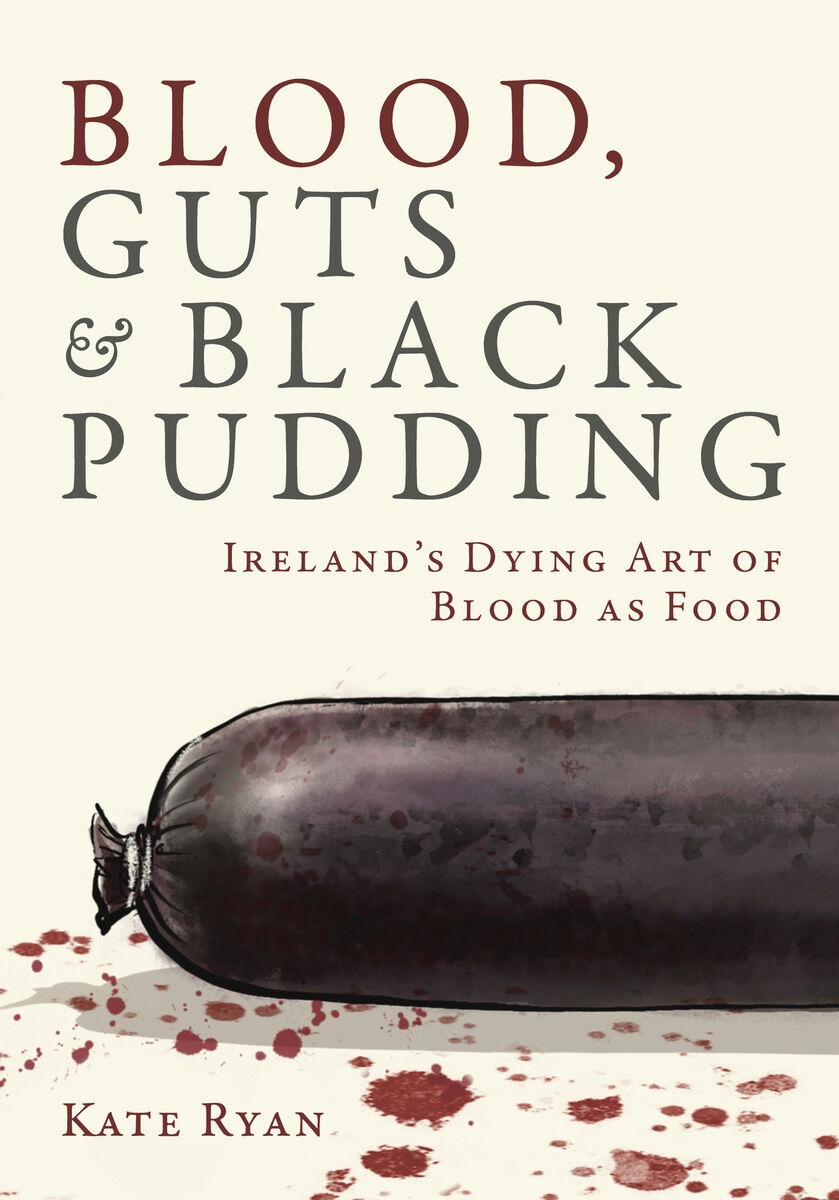
Bristol-born Ryan’s relationship with black pudding began when she wound up living in Clonakilty, in West Cork, also home to a prestigious Irish food brand, Clonakilty Black Pudding. Ryan eventually worked up that burgeoning interest into an academic paper delivered at the prestigious Oxford Food Symposium and, with some excellent archival research, has expanded it into a full book. It begins with the earliest literary mentions, illustrating the pudding’s antecedents in the consumption of fresh, raw blood, covered in the chapter, Living Blood. Livestock were bled in a manner that didn’t impact the animal’s overall health and the blood consumed, either raw or mixed with cream or butter, or cooked. Indeed, it is not a uniquely Irish practice — Genghis Khan would have his warriors drink their horses’ blood to enable them to travel more swiftly and to save lighting fires which would reveal their presence. From raw blood, it was a natural progression to puddings, first made using various livestock intestinal organs as casings, and the book extensively explores recipes and culinary techniques.
The primary ingredient for most blood puddings was traditionally pig’s blood but Ryan also examines the alternatives, as well as other ‘cousins’ of the black pudding such as traditional Cork Drisheen and Limerick’s packet.
The book’s most profound impact, however, is in documenting what was once a traditional rural and occasionally urban practice of neighbours coming together to slaughter and preserve a pig, including using the fresh blood for puddings.
It is an especially social and celebratory ritual that is now largely the preserve of history, as industrial-scale slaughterhouses and the commercial imperatives of the supermarket chains have consigned this tradition to memory.
Ryan’s assemblage of those compelling oral histories is one of the best things about the book, no frivolous page turner to be scarfed down at a single sitting but rather a work of serious academic intent to be instead digested in carefully measured portions — much as two or three pieces of black pudding is usually more than sufficient for any fry.
Wild Atlantic Glamping have opened their brand-new glamping pods on Bere Island. Unlike their traditional bell tents, which are available from May to August, the six new glamping pods are heated, each with a private toilet and sink designed to keep guests cosy year-round. Check-in for their first Gourmet Glamping Weekend (October 2–4), which should make for a fine introduction as chef Tanya Ranalow delivers a programme of edible experiences centred around local seasonal produce. Friday Evening Sharing Boards shows how to assemble the ultimate West Cork board; Saturday Flavour Masterclass focuses on flavour-makers to elevate home dishes. The Saturday Night Indian Autumn Feast is a family-style Indian feast featuring fragrant meat and veggie curries and more.
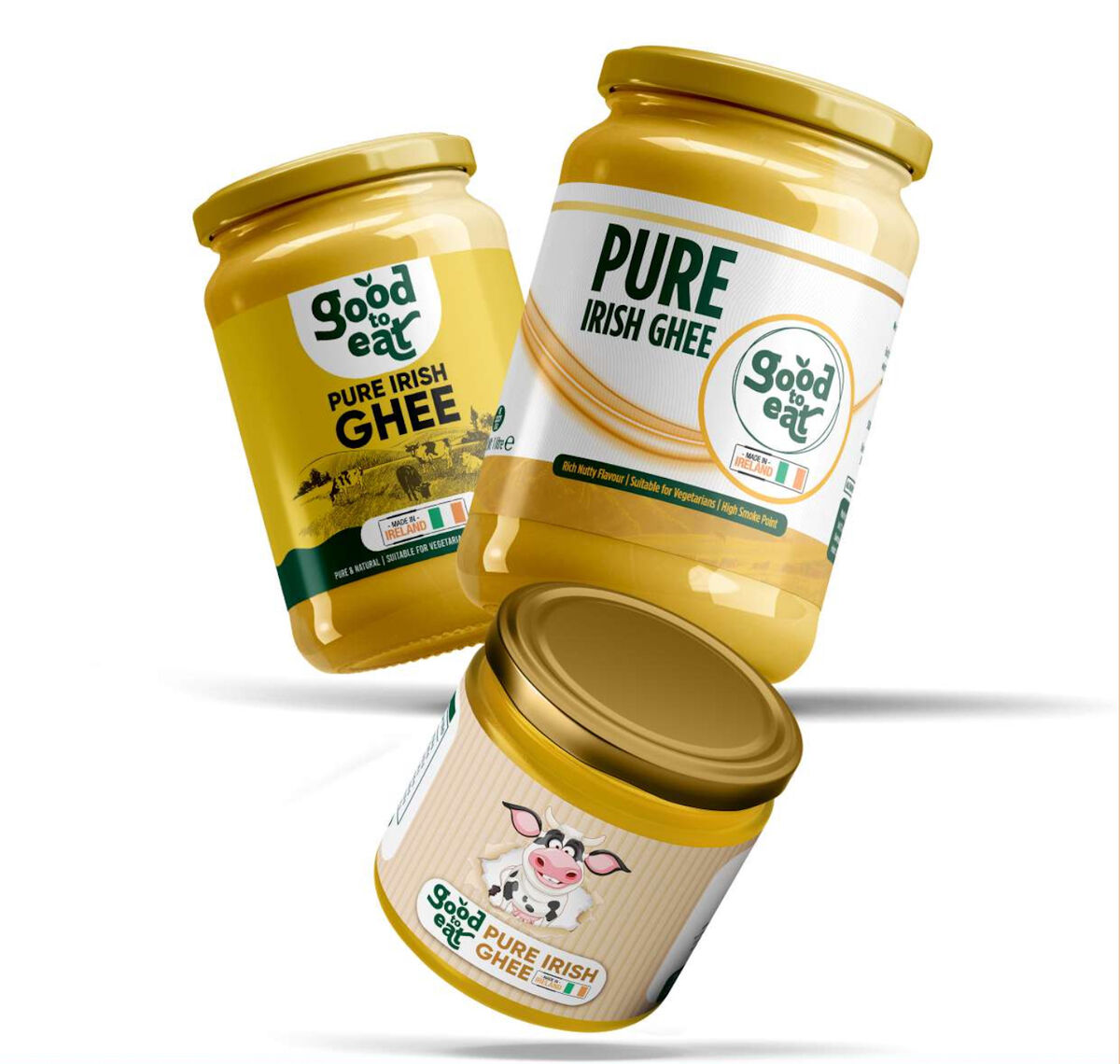
Back when locavore zealotry was at its height, I never bought into the idea of rapeseed oil — requiring intensive chemical spraying throughout its growing life — as our own ‘olive oil’. To me, it was a no-brainer that we should look to dairy produce, our quintessential primary food source for millennia. I’m talking in particular about ghee, produced by clarifying butter, removing water and milk solids, leaving only rich, golden butter fat which has a far higher smoke point than whole butter. Good To Eat’s Pure Irish Ghee (€4.50) is a sublime example, produced in small batches using butter from grass-fed Irish cattle, yielding a rich, nutty cooking fat that transforms cooking, anything from a simple fried egg to an authentic Indian curry. Right now, I’m not sure if I’ll ever again pan-fry white fish without ghee adding its layers of sumptuous flavour.
Read More