Michelle Darmody: How to bake parsnip cake

I generally use a springform tin for this cake but a loose-base one is also good.
Adding hazelnuts to the batter brings a crunch and also wonderful flavour. You can toast the hazelnuts prior to chopping them to enhance that rich nuttiness.

Adding hazelnuts to the batter brings a crunch and also wonderful flavour. You can toast the hazelnuts prior to chopping them to enhance that rich nuttiness.

As the summer begins to wind down, more and more fruits and vegetables ripen and are ready to be picked and enjoyed. We are coming into the bounteous harvest season, which will culminate around the time of Samhain.


This year there is an even larger than usual harvest due to the warm summer sun. Grating some of the ripened vegetables into baking is a way to use them up without overindulging at the dinner table.

The caramelisation properties that parsnips provide was recognised in Europe in Roman and Medieval times, before cane sugar became widely available. A flour was often made by drying and grinding parsnips which was then added to breads as well as cakes.

Mashed boiled parsnips were also used to add bulk as well as sweetness. For this recipe they can be grated raw and will dissolve into the rest of the cake batter as it bakes. Parsnips do not add quite the same amount of moisture as a vegetable like courgettes, so adding orange juice and a grated apple helps to keep the crumb soft and sweet.

Michelle Darmody's Parsnip Cake

recipe by:Michelle Darmody

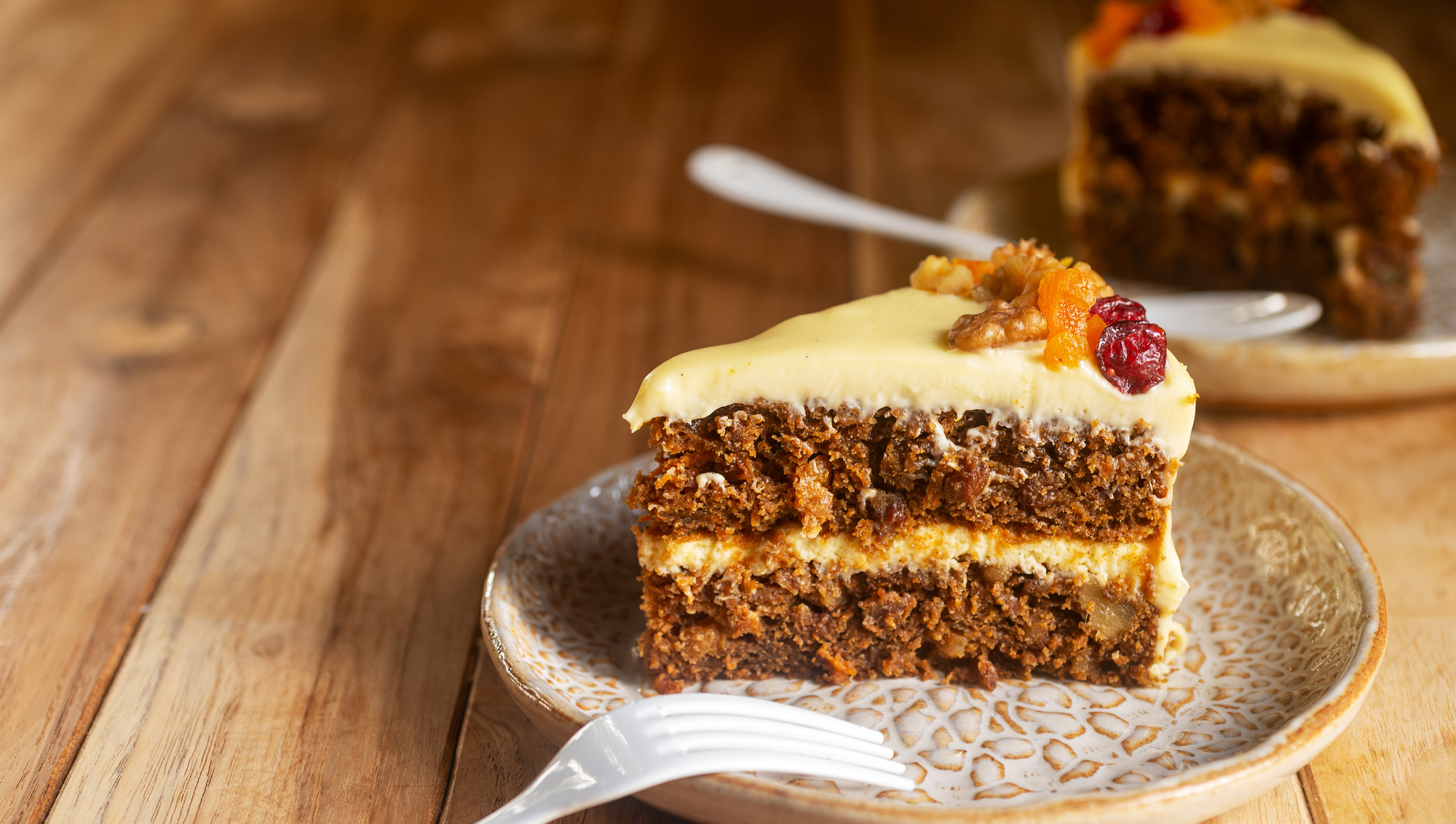
Parsnips make a great base for a cake; their high sugar content allows for caramelisation as they disperse into the cake.

Michelle Darmody's Parsnip Cake

Servings

10

Preparation Time

20 mins

Cooking Time

30 mins

Total Time

50 mins

Course

Baking

Ingredients

  • 250g plain flour

  • 2 tsp baking powder

  • 3 eggs, lightly beaten

  • 1 tsp vanilla extract

  • 175g butter, soft

  • 210g light muscovado sugar

  • 100ml maple syrup

  • 1 small cooking apple, grated

  • Zest of 1 orange and 3 tbsp of the juice

  • 250g parsnips, finely grated

  • 50g hazelnuts, roughly chopped

  • For the icing

  • 40g butter, soft

  • 220g cream cheese

  • 80ml maple syrup

  • 2 tsp vanilla extract

Method

  1. Line an 8-inch round cake tin with parchment.

  2. Preheat your oven to 180ºC/gas mark 4.

  3. Sieve the flour and baking powder and set aside.

  4. Add the vanilla to your eggs, lightly whisk and set aside.

  5. Heat the butter, sugar and maple syrup together over a low heat until dissolved.

  6. Remove from the heat and pour into a large bowl.

  7. Stir in the eggs until combined.

  8. Add the flour and gently combine it.

  9. Stir in the apple, orange zest and juice, the hazelnuts and the parsnips.

  10. Scoop the batter into your prepared tin.

  11. Bake for 40 to 45 minutes until a skewer comes out clean.

  12. Once cool enough to handle, place onto a wire rack to cool completely.

  13. To make the icing, whisk all of the ingredients until smooth and light and airy.

  14. Cut the cake into two even discs.

  15. Spread the icing on top of each disc and then sandwich them together so you have a layer in the middle and icing on the top of the cake.

  16. Decorate as you wish. I like to add some chopped, toasted hazelnuts and dried fruit around the edges of the cake.

Baker's Tips

I generally use a springform tin for this cake but a loose-base one is also good.

If the parsnips you are using are very large, they may be tough and woody in texture. If this is the case, it is best to cut out the tough inner core before grating. I use the fine side of a box grater to grate the parsnips.

Adding hazelnuts to the batter brings a crunch and also wonderful flavour. You can toast the hazelnuts prior to chopping them to enhance that rich nuttiness. The nuts can be replaced with golden raisins for a softer addition to the cake.

When making the icing, I whisk it for about two minutes to ensure I get enough air into it. You can stop a few times and scrape the icing from the sides of the bowl with a spatula to ensure it all gets whisked evenly.

If the icing is too stiff, you can add a drop or two of freshly squeezed orange juice to loosen it out. Only add a very small amount at a time as it can get runny very quickly.

The best way to ensure you get two even-sized discs when cutting your cake is to score the cake around the sides with a knife. Then use a very long serrated knife and cut along the scored line. Do not push or dig the knife into the sides of the cake as you cut. Gently saw over and back until you get through to the other side of the cake.

You can bake this cake a day ahead of when you need to ice and serve it. The flavours blend and enhance after a day. It will last un-iced in an airtight container for about four days. Once the cake is iced, however, it needs to be eaten within a day or two because cutting the cake into two discs causes it to dry out and icing will also begin to dry out and sour.

Delicious variations

Spiced parsnip cake

This cake goes very well with deep, earthy flavoured spices such as nutmeg, cinnamon and cloves.

You can use individual spices or choose a mixed cake spice that has a blend of these spices and more.

I use 2 teaspoons of mixed cake spice and replace the hazelnuts with golden raisins, which swell up and become juicy as the cake bakes.

Parsnip and ginger cake

Crystalised ginger is a wonderful baking ingredient. It adds instant pep to cakes. You can use both the stem ginger and also the syrup that it comes in. In place of the hazelnuts add 20g of chopped crystalised ginger.

You can then use the syrup in place of vanilla when making the icing.

If you are a huge ginger fan, you can also add a teaspoon of powdered ginger to the cake batter.

More in this section

Cookie Policy Privacy Policy Brand Safety FAQ Help Contact Us Terms and Conditions

© Examiner Echo Group Limited