Joe McNamee: The rise of pop-up restaurants and what it means for Irish dining

Joe McNamee explores the growing appeal of pop-up dining and why some restaurateurs see the trend as a threat
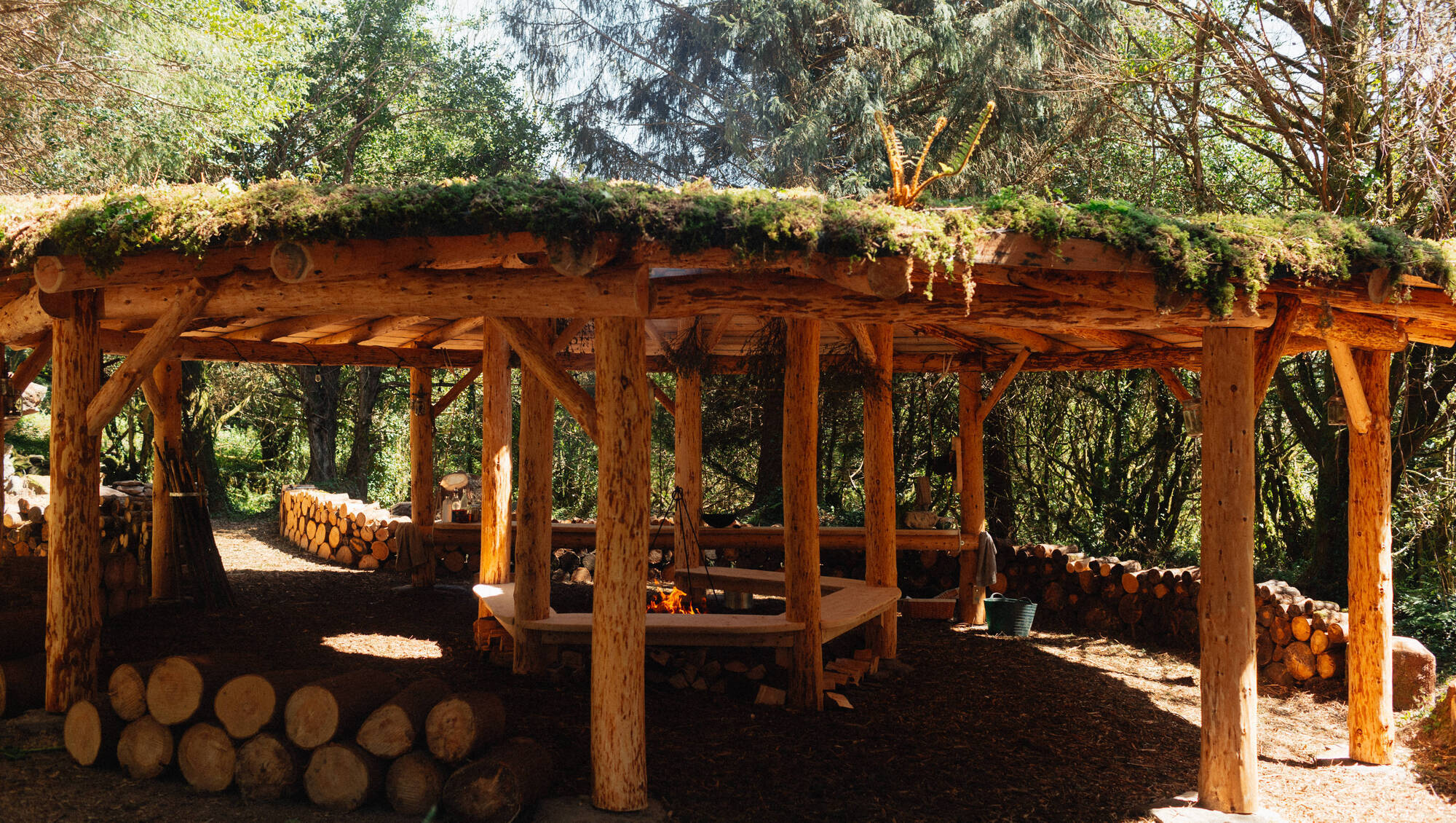
The Woodland Kitchen at Esk Mountain, where the nature restoration project hosts many of its pop-up meal events, including this summer's Taste the Wild series.

The Woodland Kitchen at Esk Mountain, where the nature restoration project hosts many of its pop-up meal events, including this summer's Taste the Wild series.

Regular readers will know I regularly flag pop-up dining events. Indeed, today’s column mentions the next outing of the always enjoyable Tiger Balm Club, chefs Mark Aherne and Bryan ‘Sunshine Primo’ Rudd’s immersive homages to South East Asian cuisines.

My personal experience of pop-ups has been largely positive: Often great food; unusual, even unique, venues; and a shared dining format that makes company equally compelling.

I’m even guilty of cooking more than a few pop-ups myself over the last 15 years, including a nine-course menu for 36 diners in the Uilinn gallery in Skibbereen. So, I was taken aback when a restaurateur friend began describing them as a pestilence on the hospitality industry.

A pop-up is a temporary dining experience, from a one-off meal to a prolonged takeover over weeks or even months, where a chef or collaborating chefs create and deliver a menu unique to that experience, sometimes innovative, experimental dishes or cuisines outside their usual culinary beat.

When not taking over an existing bricks and mortar restaurant space, venue can be as intriguing as menu, a unique location being a hallmark of the most successful pop-ups — in 2016, Takashi Miyazaki hosted a Japanese tasting menu for 28 diners in the depths of Mitchelstown Cave.

Their transient and fleeting nature might suggest pop-ups are an entirely millennial concept but legendary French chef Paul Bocuse operated a temporary restaurant in New York for several months in 1986, but the first to earn the descriptor‘pop-up’ was ‘The Reindeer’, in 2006. A stunningly theatrical production in a brewery by the proprietors of London restaurant Bistrotheque, it catered for 23,000 diners in just three weeks.

In 2011, I interviewed Kerstin Rodgers, aka @MrsMarmiteLover, who parlayed supper clubs in her own home into a food career, inspiring a rash of non-professional domestic pop-ups in Britain and Ireland. Food could be sketchy but the experience was often disarmingly charming.

The late Vanessa Clarke introduced pop-up restaurants to Irish music festivals where frazzled festival-goers could eschew queuing at food trucks and sit down to a full-on restaurant meal.

The pandemic only enhanced pop-ups’ appeal as traditional restaurants sought creative solutions to dining restrictions: Allta’s stylish alternative restaurant on the fifth floor of a Dublin City Centre car park in November 2021 was a smash hit.

These days, the most common form of pop-up is a guest chef experience or a collaboration in a traditional restaurant space but the fashion for off-beat venues remains. They are a unique selling proposition of the Cork on a Fork food festival: This year chefs Aishling Walsh (Goldie) and Rob Krawczyk (Restaurant Chestnut) collaborate on a dinner in the Goldie Chapel, at the Nano Nagle Centre, and the Long Table Dinner on MacCurtain St is a festival flagship event.

A huge part of the appeal for diners is their temporary and transient nature, an ephemerality that turbo-charges the fear of missing out; factor in a weird and wonderful venue, and exclusivity is off the charts.

Most chefs love pop-ups. New spaces break up routine. Non-restaurant spaces provoke innovation and creativity. Collaborations are a chance to work with peers, sometimes even heroes. For those, such as Tiger Balm Club, without a kitchen base, it affords real flexibility, an opportunity to operate on the fly.

So, what was eating my restaurateur friend? Very simply, that pop-ups get to operate without the ongoing and highly expensive overheads of a physical, fixed premises. In addition, fears of missing out means diners, especially in these straitened times, will spend money on pop-ups that would otherwise have been spent in traditional restaurants — a slow, steady haemorrhage they can ill afford. It is a compelling argument, but pop-ups’ popularity keeps rising, which I see as a sign of the further fragmentation of the traditional restaurant model.

Pop-ups wouldn’t exist without traditional restaurants. Even if not providing the venue, they almost invariably train and inspire the culinary talents who deliver it. So, enjoy that pop-up but don’t neglect your local independent Irish restaurant either.

Table Talk

Tiger Balm Club heads to Esk Mountain nature restoration project in Glengarriff in West Cork to cook a feast (August 29) as part of Esk’s Taste The Wild Pop-up series in the beautiful woodland kitchen (see main pic). Guests will learn about South-East Asian cuisines before getting stuck in to learn techniques, tips and tricks for drinks, snacks, plates and flavours, followed by a Viet-Thai meal, washed down with beers from Tom Crean Brewery. Two sittings: 11am-2.30pm; 4.30-8pm.
Though some way off autumn, you’ll need time to fill the piggy bank for The Cook’s Holiday (October 5-9), which sees Rachel Allen host a four-day culinary escape to Ballymaloe House. It includes beautiful breakfasts and wonderful suppers from Ballymaloe House head chef Dervilla Flynn, while days are spent joining Rachel and Co for hands-on experiences at Ballymaloe Cookery School, including touring the school’s 100-acre organic farm, dairy and gardens, and coastal foraging, cooking classes and demos. Also includeD is lunch at Michelin two-starred Dede at the Customs House, in Baltimore, and dinner in Kinsale’s Fishy Fish. €4,800 for two.

Today’s Special

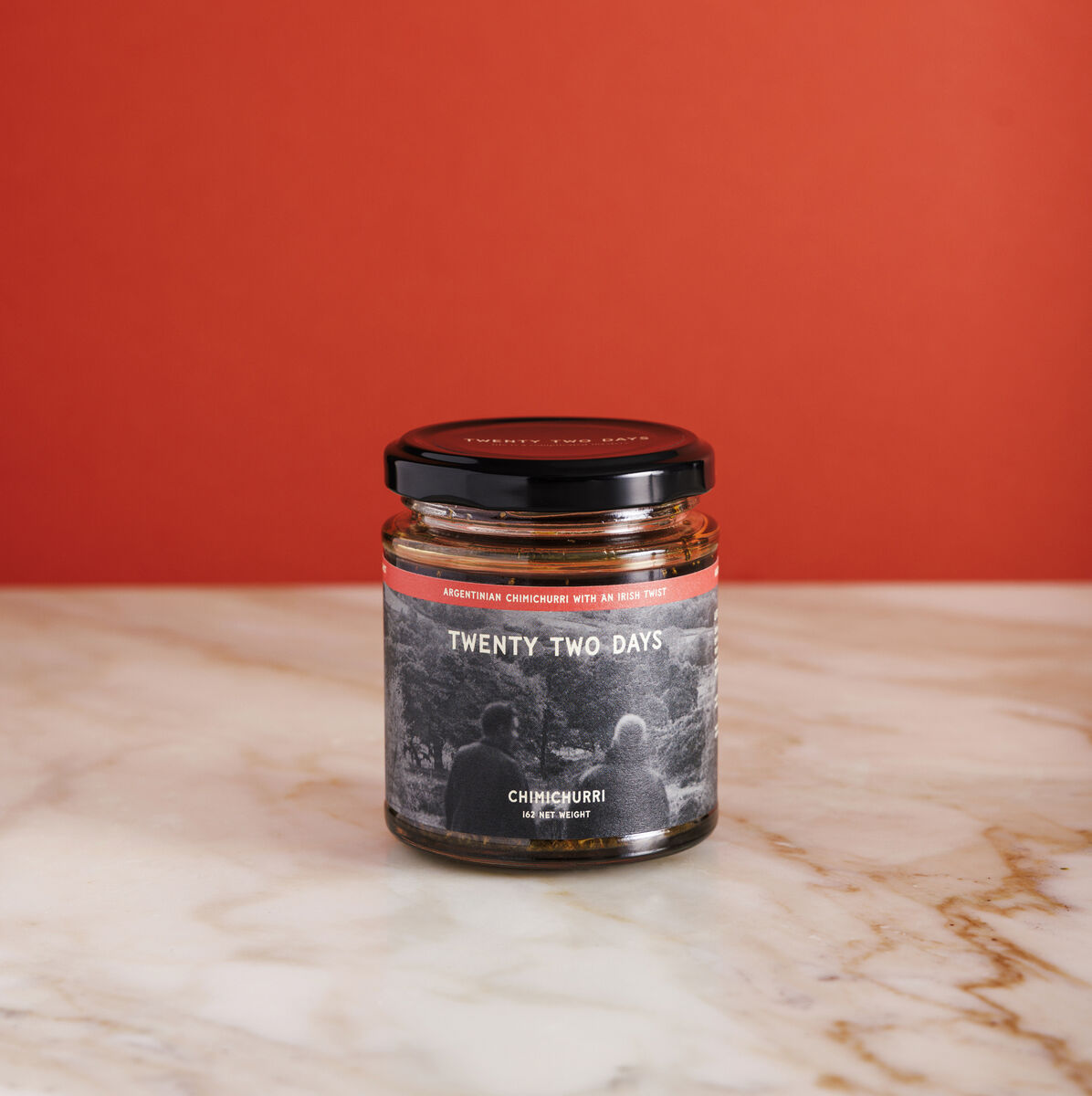
Twenty Two Days Chimichurri (€6.50). Picture: Kirsty Lyons

Chimichurri is an Argentinian condiment of finely chopped parsley, chillis, garlic, and oregano added to olive oil and red wine vinegar or lemon juice, that pairs sublimely with barbecued steak. Twenty Two Days Chimichurri (€6.50) was created by Argentinian Mathias Garcia and Irishman Donal Roche who met while studying in Dublin. An accidental shopping mishap saw traditional red wine vinegar replaced with malt vinegar, a culinary slip that became an integral part of their formula, broadening the scope of its uses. A herbaceous pop with a gentle acidic sting in the tail elevates all grilled meats, as well as other foodstuffs including toasties and salads, and, blended with mayo, it has become my summer condiment of choice.

More in this section

Cookie Policy Privacy Policy Brand Safety FAQ Help Contact Us Terms and Conditions

© Examiner Echo Group Limited