Darina Allen: Think a spinach quiche sounds dull? You need to try this delicious recipe
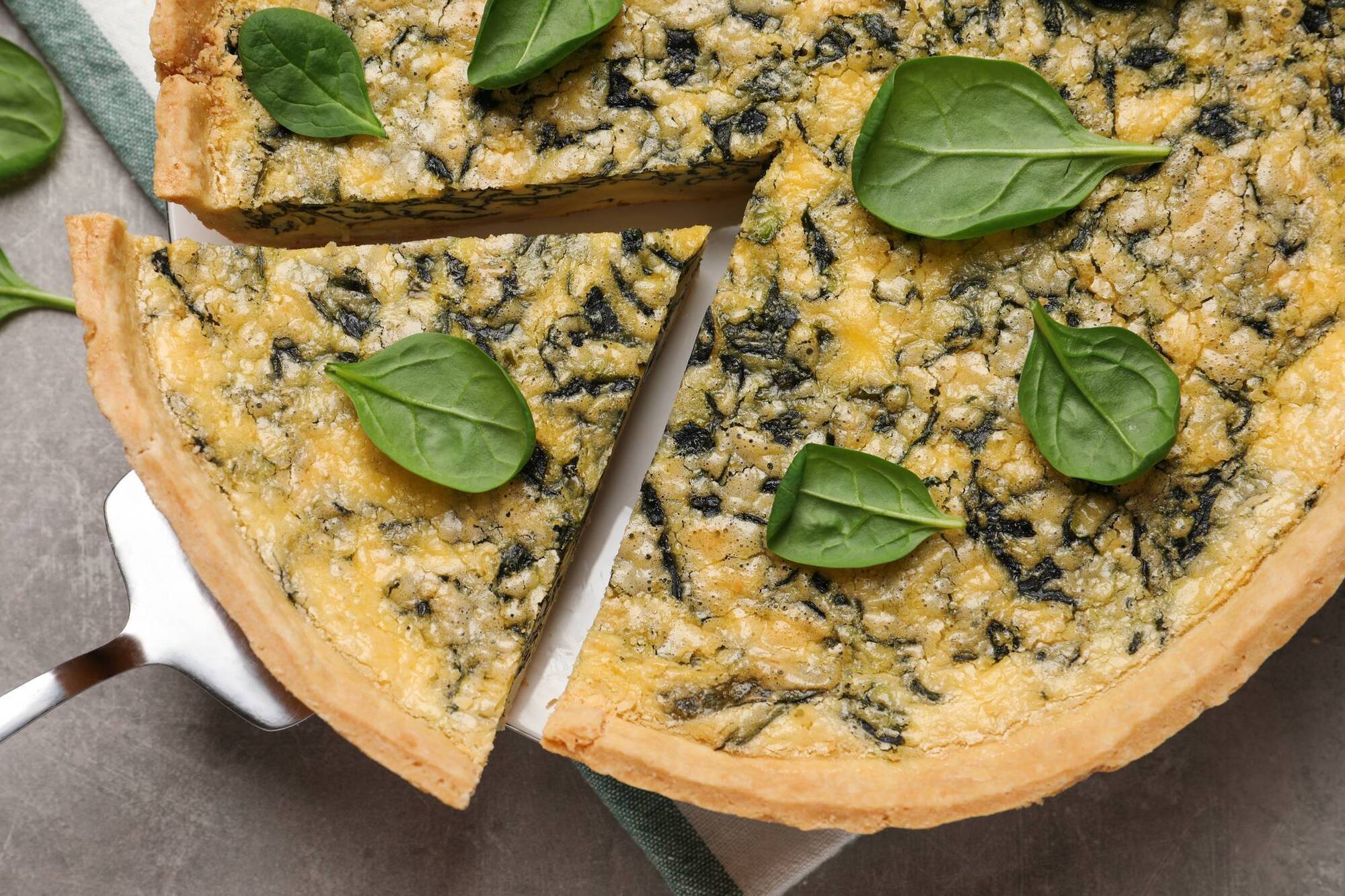
You might think that a spinach quiche sounds dull, but try this delicious recipe that our friend Mary Jo McMillin shared with us.

The recent protests over the price of fuel should give us an insight into how quickly everything can change and how fast we can have shortages in many areas. Unless there is some kind of minor miracle, we’re going to experience food shortages before the end of 2026. We’re sleepwalking into a monumental crisis for which we are ill-prepared. For most people, the idea of empty shelves in our supermarkets is inconceivable, but with two wars and an increasing number of unexpected weather events, all impacting in a myriad of ways on crop production and global supply chains, who knows what’s ahead. Our current ‘Just in Time’ food system is highly vulnerable to shocks.
After all, it was designed for efficiency and profit rather than resilience. You may understandably feel that the government would have it all under control but I’m afraid the reality is, there is NO real plan. The much touted Food Vision 2030 has a different focus, the main emphasis is to ensure that Irish farmers produce enough beef, dairy… for export into the future. A ‘Just in Case’ national resilience plan is now a matter of extreme urgency. Professor Tim Lang, Professor Emeritus of Food policy at City St George’s University of London, spent 2½ years working on a ‘Just in Case’ report for the UK and his message to the farming community at a recent NFU conference was loud and clear – You have work to do.
But let’s not rely on others any longer; we’ve allowed ourselves to become ridiculously de-skilled, many otherwise highly achieving people can scarcely make toast. What are we like allowing ourselves to become totally dependent on other people for the very thing that keeps us alive and hopefully healthy, completely unable to feed ourselves without resorting to ready meals and UPF’s (ultra-processed foods).
We’ve got to ‘wake up’ and see how vulnerable we’ve allowed ourselves to become. It probably sounds a bit paranoid, but I wouldn’t be against storing a few tins of beans, tomatoes, sardines… at the back of a cupboard. There are many little ways we can become more self-sufficient, even if you don’t have a garden or a raised bed. It’s amazing what can be grown on a windowsill, balcony or even in a cardboard-lined plastic crate or pots.
On a windowsill, we can grow salad leaves, pea shoots, radishes, (use a blue plastic mushroom box for depth), and many fresh herbs, basil, mint, parsley and thyme. Put rosemary or sage into a flowerpot, plant a few tomato plants and maybe a chili pepper in large pots, a hanging basket works well too. Eggs are really a must-have food for most of us, think about getting a few hens if you haven’t already got them – four or five are plenty for an average family. Move a chicken coop around your garden, lawn or field. Feed your food scraps to the hens and they will reward you with eggs a few days later, a perfect win, win. Do a bit of research, on your local farmers and farmers’ markets, support them, create a bond for the future. Local food systems are the key. International food companies are all very well but won’t help you in a crisis. The government urgently needs to encourage and wholeheartedly support small and artisan producers who sell locally. Local multi-species abattoirs are essential if the sector is to grow. There’s no point in rearing pigs, chickens, ducks, if there is nowhere to have them slaughtered.
A support grant to upgrade facilities from a government that sees this as a priority would change the situation overnight. Yes, another reason to prioritise local producers is the growing demand for artisan and speciality foods from food tourists. This sector needs maximum support and food safety regulations proportionate to the risk involved rather than the opposite which can create unnecessary fear and hassle and discourages others from joining the sector.
Pick up a pen, write to your local politician, express your concerns, ask for answers, make suggestions and also stress the urgency of embedding practical cooking skills in the national curriculum. It’s vital that it’s recognised as an absolute priority. After all, although maths is super important and an essential subject, you can’t eat a maths book! So, back to the kitchen, here are three new recipes that we’ve tested recently and added to our repertoire
So, back to the kitchen, here are three new recipes that we’ve tested recently and added to our repertoire.
Mary Jo’s Spinach Quiche
You might think that a spinach quiche sounds dull, but try this delicious recipe that our friend Mary Jo McMillin shared with us.
Servings
6Preparation Time
60 minsCooking Time
30 minsTotal Time
1 hours 30 minsCourse
MainIngredients
For the pastry (makes scant 900g pastry) – you will have more than required, freeze the excess for another time
450g plain white flour
l tsp salt
250g cold butter or 225g
butter plus 25g lard
150ml ice water
For the onion filling
1 tbsp butter (or a mixture of butter and extra virgin olive oil)
salt
1 clove of garlic, finely diced
150-200g onion, finely diced
For the quiche filling
110g cream cheese, room temperature
110ml whole milk
110ml cream
3 large eggs
Scant ½ tsp salt
Freshly ground white pepper
Generous grating fresh nutmeg
Pinch of cayenne (optional)
For the spinach filling
450g frozen chopped leaf spinach, thawed or fresh spinach, blanched, drained and chopped
½ tsp salt
freshly ground white pepper
freshly grated nutmeg
generous sprinkling of hopped fresh dill onion and garlic mixture
quiche filling
175g grated cheese
1 x 23cm deep quiche/tart
tin with a removable base
Method
To make pastry in a food processor.
Put the flour and salt into a bowl.
Add the cold butter and lard and cut in 1cm cubes or slices. Pulse 3 times to break up the butter into flakes.
With the processor running, pour in the ice water in a slow stream through the feed tube. Stop the processor as soon as the pastry rolls into a ball.
Remove the ball of dough from the bowl; shape into a 15cm long. Strip and cover and refrigerate.
Next, line the tin.
Shape 300g chilled pastry into a 10cm disk. Dust with flour and roll on a smooth, clean surface, giving the dough a quarter turn with each rolling to maintain a circle. Roll to a generous 33cm circle; brush off any excess flour.
Fold in quarters; unfold onto the inside of the tin. Press the pastry firmly into the bottom edge of the tin.
Trim the dough to an even 1cm overhang. Tuck the overhang inside the pastry edge, pressing firmly. Crimp or flute the top edge. Chill the pastry shell for at least 30 minutes before baking.
Chilling relaxes the gluten in the flour and prevents shrinkage and cracking. In haste, the quiche shell may be chilled in the freezer for 10 minutes.
To make the onion and garlic mix, melt the butter or a mixture of butter and olive oil in a deep sauté pan.
Add the diced onion; place the chopped garlic on top. Cover with parchment paper and cook over a low heat until the onion is soft and not browned. Season with salt and mix gently.
Cut the cream cheese into 2.5cm chunks and place into a processor bowl or blender. Add the milk and process.
Scrape down the sides and mix to a smooth, dense cream.
Add the eggs, salt, pepper, nutmeg, cayenne, and cream or remaining half-and-half to the processor or blender. Whizz to combine. Use straightaway or refrigerate in a plastic container.
Place the spinach in a strainer or colander and squeeze out the excess water.
Season the spinach with salt, pepper, nutmeg and dill. Mix the seasoned spinach with the onion and garlic mixture.
Preheat the oven to 200°C/Gas Mark 6.
Line the chilled pastry with parchment paper.
Carefully press the parchment paper onto the lower edge of the pastry shell. Pour 1cm of baking beans into the paper and bake in the preheated oven for 20-25 minutes.
The pastry edges should begin to brown, and crust under the parchment and should have lost its “raw” look. Remove the parchment and beans.
Immediately, sprinkle in all but 1 ½ tablespoons of the grated cheese. (The hot tin and hot pastry encourage faster cooking and lessen the chance of cracking the pastry shell).
Add 225ml of the quiche filling to the spinach filling to loosen it out and ladle into the pastry shell.
Add the remaining of the grated cheese.
Carefully ladle over the quiche filling, taking care not to reach the top of the shell. (If you cannot get all the filling in, pour the remaining bit in a small cup or Pyrex jug.
Place the quiche in the hot oven. Carefully reach in and empty the filling into the quiche, again do not allow filling to spill over the edge.)
Bake the filled quiche in the preheated oven for 25-40 minutes or until puffed and golden.
Cool briefly on a wire rack before serving.
Remove from the tin and eat at room temperature.
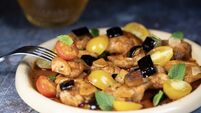
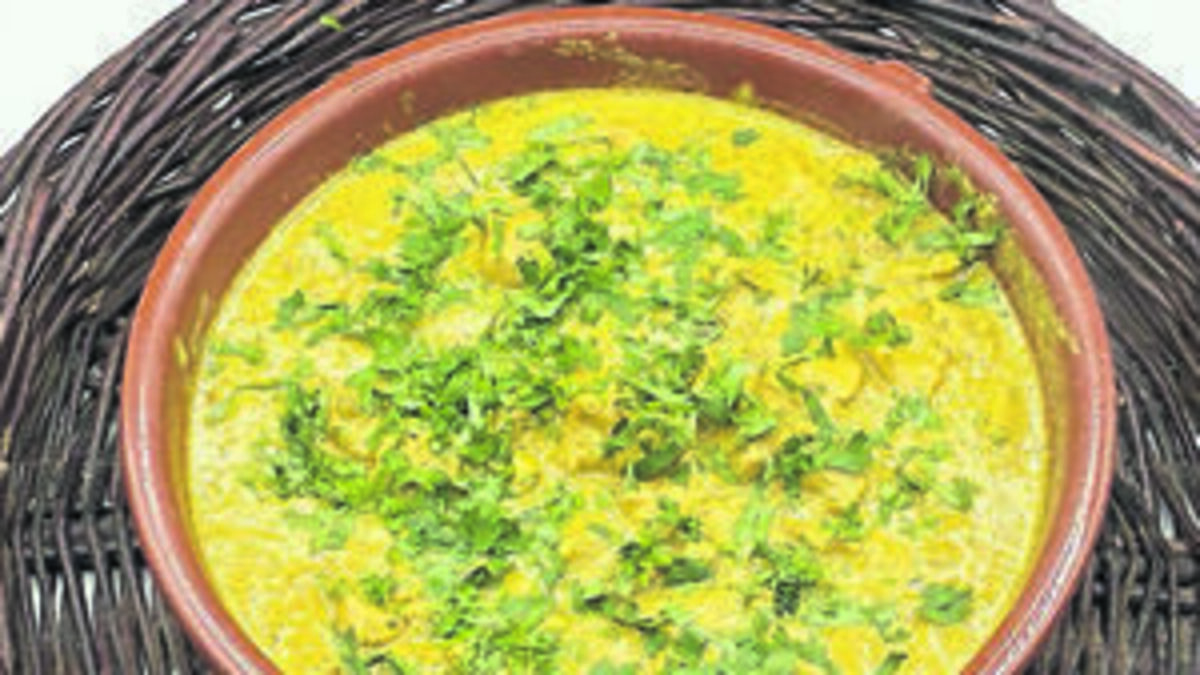
Lota Café Chicken Mokul
A Rajasthani dish but thank you to Lota Café in Delhi and Roots in Bandrol in the Himalayas for sharing the recipe.
Servings
6Preparation Time
20 minsCooking Time
30 minsTotal Time
50 minsCourse
SideIngredients
100g cashew nuts
1 free-range organic chicken cut in smallish chunks (or use 3 drumsticks and 3 thighs)
100g olive oil (they use vegetable oil)
1 tsp cumin seeds
5 green cardamom pods (1g approx.), lightly crushed
3 cloves of garlic, grated
15g ginger, finely chopped or grated
200g red onions, finely chopped
4g ground turmeric
4g coriander seeds, freshly ground
8g masala spice (they use MDH chicken masala spice which is widely available)
2 tsp salt
150g homemade chicken stock
120g natural yogurt
300g water
To garnish
coarsely chopped coriander leaves
Method
Cover the cashews with 225ml of water, and soak for 10 minutes. Whizz in a foodprocessor until smooth.
Meanwhile, heat the oil in a heavy bottomed sauté pan over a medium heat, add the cumin and cracked cardamom pods, stir for a few seconds then add the garlic, ginger and finely chopped red onion.
Stir and cook over a medium heat for 4-5 minutes, add the turmeric and continue to stir for 1-2 minutes, then add the freshly ground coriander and masala. Stir and cook for 30 seconds.
Add the chicken, sprinkle in salt, stir and coat in olive oil. Lower the heat and cook for about 10-15 minutes, then add the chicken stock, cashew milk and yoghurt. Stir and add 300g water.
Bring to the boil and simmer for a further 15-20 minutes to reduce sauce to a light coating consistency, taste, correct seasoning.
Sprinkle with fresh, coarsely chopped coriander leaves. Serve with rice or roti.
A Rajasthani dish but thank you to Lota Café in Delhi and Roots in Bandrol in the Himalayas for sharing the recipe.
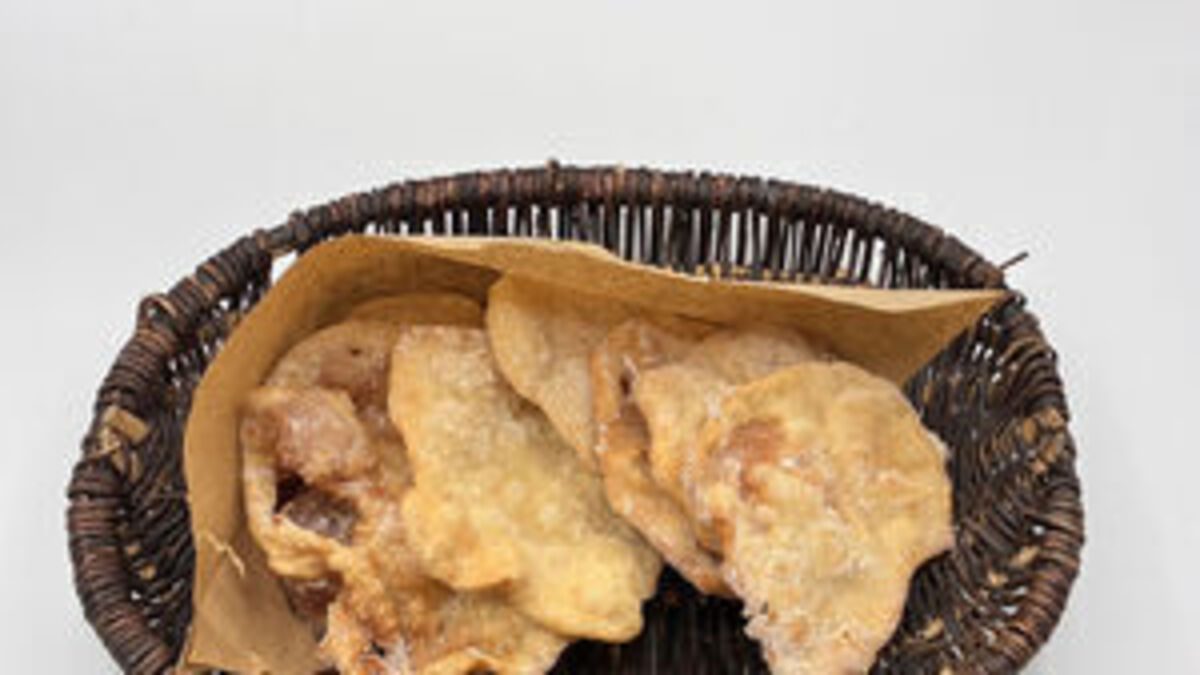
Pastel (Fried Pastry)
Pastéis are super delicious and best enjoyed while they’re still warm and crispy. This recipe is adapted from Samba by Brazilian-born Giselle Makinde Pereira Goncalves, the latest in the Nine Bean Rows series published by Blasta Books
Servings
50Preparation Time
40 minsCooking Time
5 minsTotal Time
45 minsCourse
SideIngredients
690g flour
80g extra virgin olive oil
40g cachaça (Brazilian sugarcane liquor – available in good wine shops and some supermarkets) – we used honey
20g salt
280-300g water
Method
Put the flour into a large bowl. Make a well in the centre and add the extra virgin olive oil, honey and salt.Gradually add the water while using your fingertips to mix the liquid ingredients with the flour and knead briefly until it comes together.
Cover the dough with a clean tea-towel and allow it to rest for 30 minutes.
Divide the dough into 20g-30g pieces. Using a rolling pin, roll and stretch out each portion into a paper-thin sheet (7.5-10cm). The thinner the dough, the crisper the pastel will be when fried. You may need a little extra flour for rolling.
Heat the oil in a deep-fryer to 180-190°C. If you don’t have a deep-fryer, fill a high-sided saucepan no more than half full of oil.
Line a baking tray with kitchen paper, then set a wire rack on top.
Working in batches, add a few pastéis and fry for 2-3 minutes, flipping them over halfway through the cooking time, until they are golden and crispy.
Tip out onto the wire rack to let any excess oil drain off while you cook the rest. Toss in caster sugar and eat while warm.
Galtee Honey Farm is run by third and fourth generation beekeepers dedicated to conserving the native Irish black honey bee – a threatened subspecies vital to Ireland’s natural heritage. Nestled at the edge of a native oak and yew woodland within the 1,200-acre Glengarra Wood recreation area, Galtee Honey Farm tells a story spanning over 50 years.
You’ll meet beekeeper Aoife Nic Giolla Coda, learn about the heritage and craft of beekeeping in Ireland, experience the opening of a live hive from the safety of a screened viewing area, allowing you to observe the bees up close without wearing a bee suit, and sample six distinctive Irish honeys and honey mead while you are discovering the world of beekeeping.