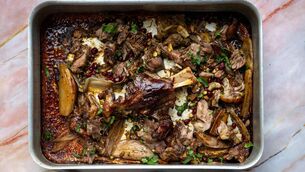
Darina Allen: What to eat to nourish yourself through menopause — with recipes
Start a food and drink diary for a week and be prepared for a shock
Darina Allen: What to eat to nourish yourself through menopause — with recipes

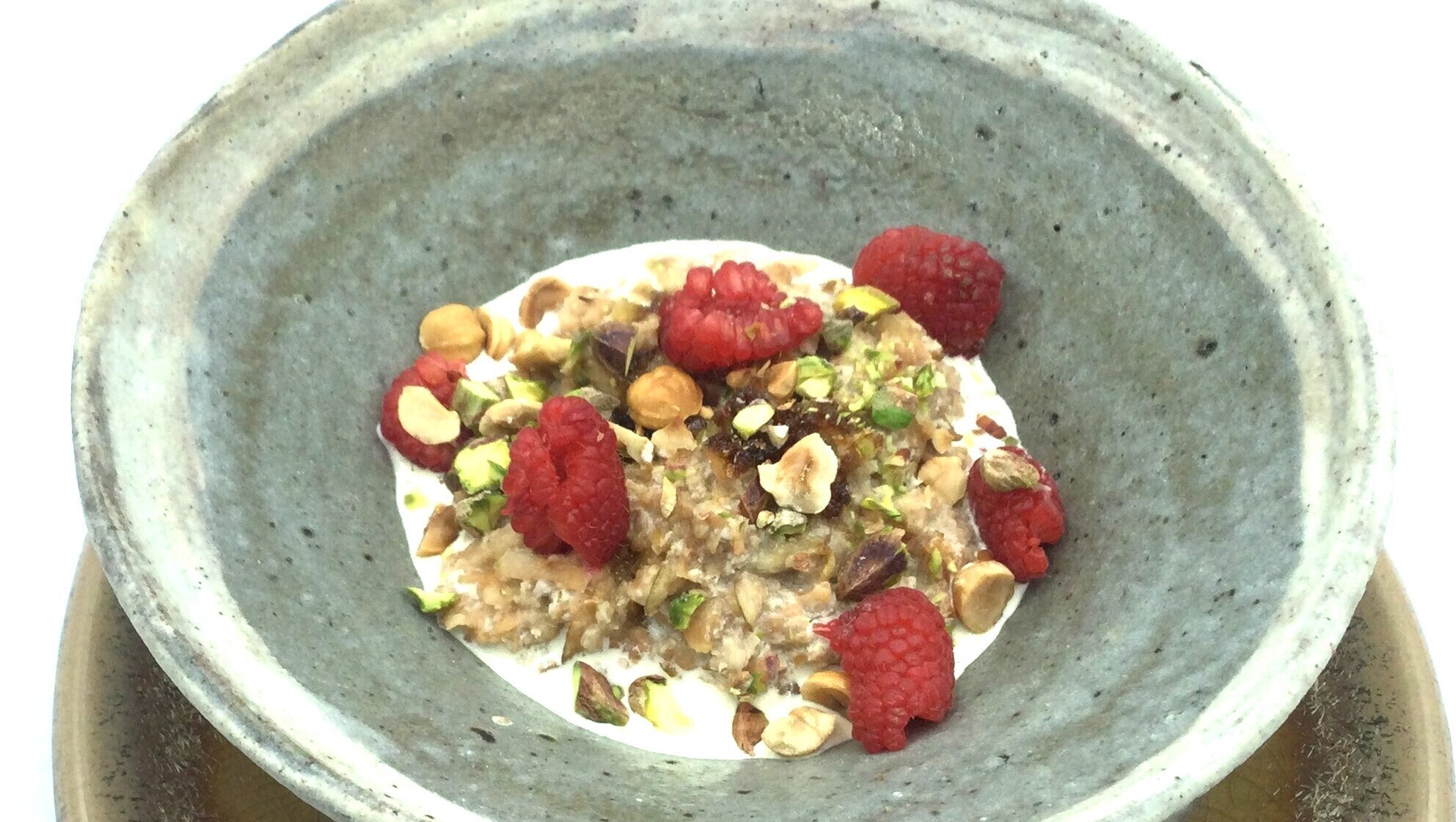
Make a little Ballymaloe muesli, a riff on Bircher muesli which takes minutes to make.

At last, there’s more conversation around menopause, a subject that was almost taboo to talk about some years ago. Of course it’s a natural part of ageing, a natural transition us women go through as female hormones, oestrogen and progesterone, begin to decrease. Some fortunate women sail through it with a few symptoms, others suffer horribly.

There is a growing body of research and a deeper understanding of menopause. Medical colleges are beginning to equip their students with more data on the subject, like the connection between food and menopause that was hitherto rarely or barely mentioned in the eight years plus medical training. One only has to experience hospital or care home food, with a few rare exceptions, to realise that the connection between the type of food we eat, and our wellbeing is poorly understood or, worse, still conveniently ignored to save money.

Do we have the data on food waste in hospitals which I’ve been told over and over again is truly shocking? Surely it would make more sense to invest more on good nutritious ingredients that would be relished and enjoyed and beneficial to health.

Back to menopause, I doubt if anyone has all the answers yet, but I certainly feel that eating real food, keeping well away from ultra-processed foods, can make a mighty difference. Another consideration, which apparently makes quite the difference, is to eliminate all toxins, ‘fresh air’ sprays, chemicals, antibacterial wipes from your homes and dare I say most skin creams. Think about the make-up and cream you use; if you wouldn’t eat it, don’t use it.

Oops, that may all come as a big ask, but if you are feeling ghastly, it certainly could be worth trying.

People are familiar with many of the better-known symptoms – hot flushes, night sweats, sleeping difficulties, anxiety, low mood, brain fog, reduced libido, but aching joints and generally feeling ratty and short-tempered are also common symptoms.

Nutrient-dense food is unlikely to prevent or cure all symptoms, but it will undoubtedly help, so to give yourself the best chance, why not decide to start a food and drink diary, even for a week. Be prepared for a shock: you may be surprised to discover what you are actually consuming. But feeling rotten can be quite the incentive to make some changes.

Ditch the sliced pan, cheap wine and ultra-processed foods. Let’s start at breakfast, treat yourself to a glass of freshly squeezed orange juice every morning. Seek out organic fruit. Yes, I know it’ll cost more but remember how much those supplements cost. 

A bowl of Macroom oatmeal porridge or make a little Ballymaloe muesli, a riff on Bircher muesli which takes minutes to make. There are organic blueberries available at present –they’d be good to crush into the soaked oatmeal. 

You’ll need lots of protein, a couple of free-range organic eggs, any way you fancy – poached, scrambled, an omelette, add a sprinkle of cheese, a few freshly chopped herbs and maybe a little dried or fresh turmeric – and a slice of real sourdough toast slathered with raw butter. After a breakfast like that, you are unlikely to reach for a snack at eleven – why not have a go and see how you feel!

There are lots of good things that are super easy – a little loaf of soda bread, a few scones every day. A loaf will be out of the oven in 35 minutes, scones 10-15.

Really good natural yogurt is essential in my book ( see my Examiner column Reboot the System, February 24, 2024), avoid virtually all supermarket yogurt, make your own from whole milk, better still, raw organic milk if you can get it – again super easy.

Choose good eggs, meat and fresh fish in any form. The latter is the biggest challenge. Learn how to recognise really fresh fish (it doesn’t smell in the least fishy). Because fish is becoming scarcer, many boats have to be at sea for 5-6 days at a time, then the catch is landed, it’s a bonus if you can get the latest catch, so ask when it was caught, not when it was landed.

Familiarise yourself and eat with the seasons when food – vegetables, fruits and herbs are freshest.

Ballymaloe Muesli

recipe by:Darina Allen

This is right up there with porridge as the best and most nourishing breakfast ever. It’s also super delicious, can be made in minutes, even when you are semi-comatose in the morning.

Ballymaloe Muesli

Servings

4

Preparation Time

5 mins

Total Time

5 mins

Course

Starter

Ingredients

  • 3 heaped tbsp organic rolled oatmeal

  • 110g dessert apples, preferably Worcester Pearmain or Cox’s Orange Pippin

  • Approx. 1 tsp honey, depending on the tartness of the fruit

  • Single cream and soft brown sugar, to serve

Method

  1. Measure out 6 tablespoons of water into a bowl and sprinkle the oatmeal on top.

  2. Let the oatmeal soak up the water while you grate the apple.

  3. A stainless-steel grater is best for this job; use the largest side and grate the apple coarsely, skin and all.

  4. I grate through the core, but watch your fingers when you are coming close to the end.

  5. Pick out the dark pips and discard.

  6. Stir the honey into the oatmeal and then stir in the grated apple, taste and add a little more honey if necessary. This will depend on how much you heaped up the spoon earlier on and how sweet the fruit is.

  7. Serve with cream and soft brown sugar.


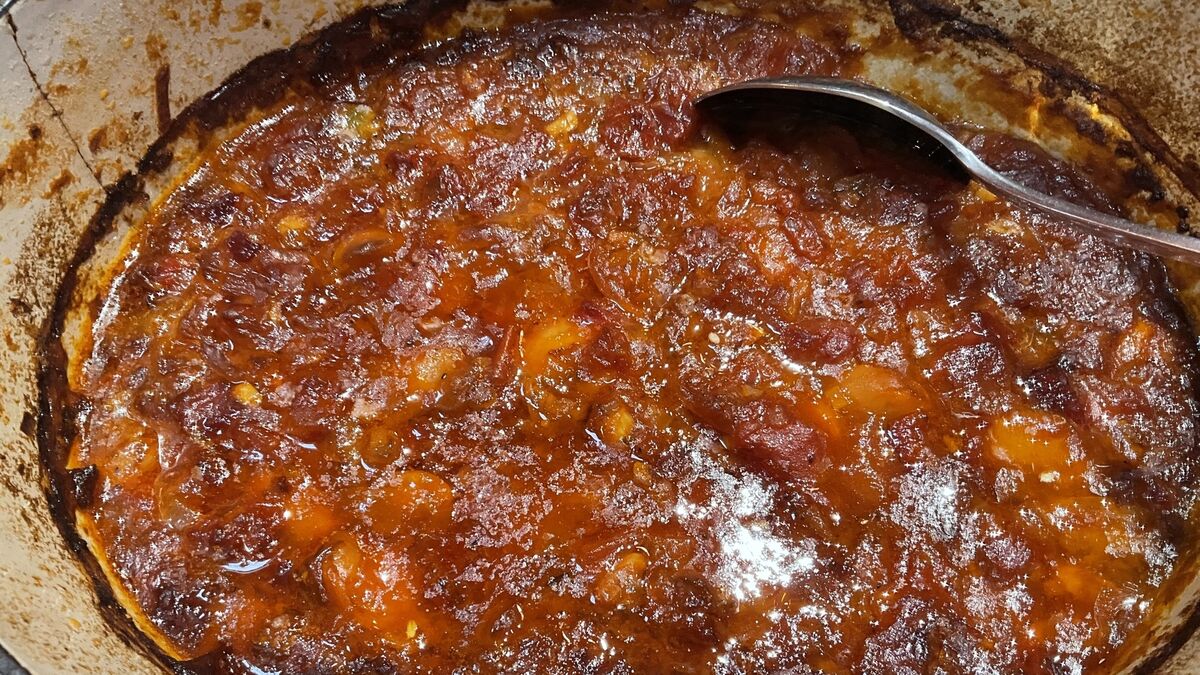
Mary Jo’s Greek Style Beans

recipe by:Darina Allen

Beans are a super source of inexpensive protein. We cook this in the cool oven of the Aga overnight but of course it can be cooked in an oven at 150°C for 2-3 hours. It keeps in a fridge for several days and reheats deliciously.
Mary Jo’s Greek Style Beans

Servings

8

Course

Main

Ingredients

  • 225g giant lima or butter beans soaked overnight, drained and cooked until tender, adding ¾ tbsp of olive oil to the water*

  • 3 tbsp olive oil

  • 110g chopped onion

  • 25g small dice celery

  • 2 large garlic cloves, chopped

  • 1 tsp dry oregano or 1 tsp fresh marjoram

  • 1 tsp ground coriander

  • ½ tsp crushed chilli flakes

  • 400g tin or 450g tomatoes, crushed

  • 1 tsp honey

  • Salt and freshly ground pepper

  • Juice of ½ lemon

Method

  1. Save the cooked beans and their cooking water.

  2. Heat 3 tablespoons of olive oil in a casserole and sauté the onion and celery until tender. Add the garlic, oregano (or marjoram), coriander, chilli flakes and stir until fragrant. Add the crushed tomatoes, honey, salt and pepper. Bring the sauce to a simmer and stir in the drained cooked beans. Simmer uncovered on the stove top until beginning to thicken.

  3. Add the cooking liquid as needed (you should end up using it all). When you have a soupy mixture, the beans may go in the oven.

  4. The beans may cook for 2-3 hours in a 150°C/300°F/Gas Mark 2 oven. They should be very tender and glazed. Drizzle with remaining olive oil and fresh lemon juice before serving.


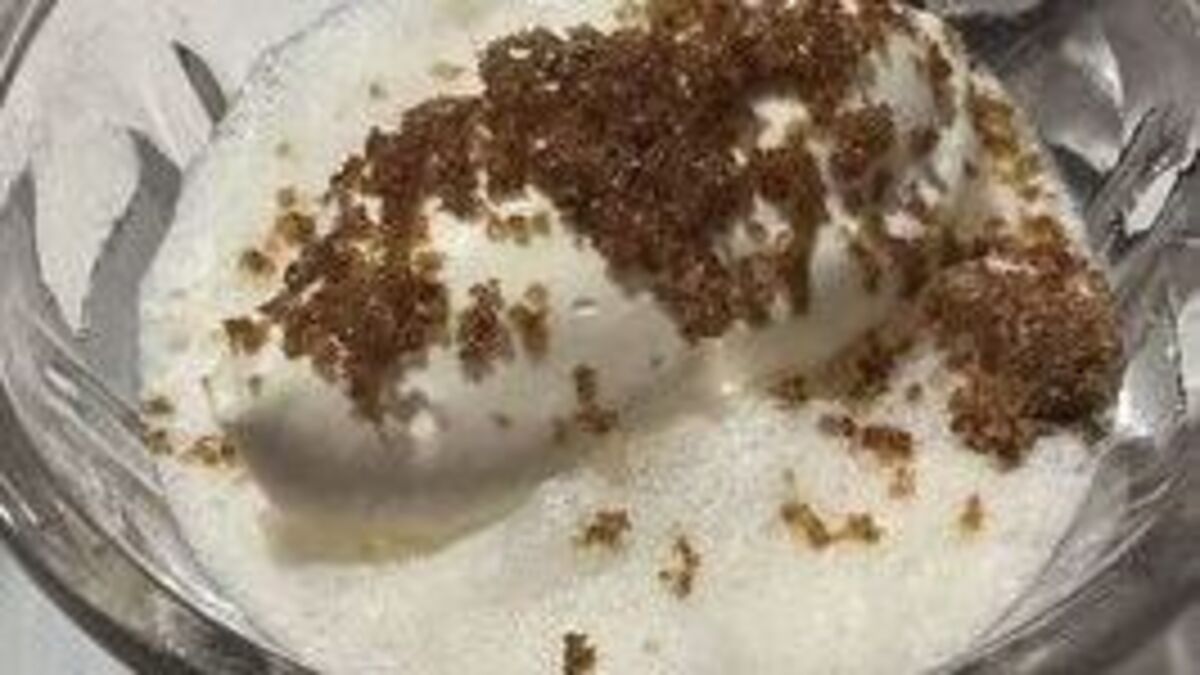
Carrageen Moss Pudding with Sweet Geranium

recipe by:Darina Allen

This recipe given to me by Myrtle Allen is by far the most delicious I know.
Carrageen Moss Pudding with Sweet Geranium

Servings

6

Preparation Time

30 mins

Cooking Time

20 mins

Total Time

50 mins

Course

Dessert

Ingredients

  • 7g cleaned, well dried carrageen moss (1 semi-closed fistful)

  • 900ml whole (full-fat) milk (we use our own Jersey milk)

  • 8 medium leaves of sweet geranium (Pelargonium graveolens)

  • 1 large egg, preferably free-range

  • 1 tbsp caster sugar

  • To serve

  • softly whipped cream and soft brown sugar

Method

  1. Soak the carrageen in tepid water for 10 minutes.

  2. Strain off the water and put the carrageen and sweet geranium into a saucepan with the milk.

  3. Bring to the boil and simmer very gently with the lid on for 20 minutes.

  4. At that point, and not before, separate the egg and put the yolk into a bowl.

  5. Add the sugar and whisk together for a few seconds.

  6. Pour the milk, carrageen and sweet geranium through a strainer onto the egg yolk mixture, whisking all the time. The carrageen will now be swollen and exuding jelly.

  7. Rub most of this jelly through the strainer and beat it into the liquid.

  8. Test for a set on a cold saucer: put it in the fridge and it should set in a couple of minutes.

  9. Rub a little more jelly through the strainer if necessary.

  10. Whisk the egg white until stiff peaks form and fold it in gently; it will rise to make a fluffy top.

  11. Leave to cool. Refrigerate.

  12. Serve chilled with softly whipped cream and soft brown sugar.

Seasonal journal

Revised Leaving Certificate Home Economics Specification

The National Council for Curriculum and Assessment (NCCA) advises the Minister for Education on curriculum and assessment for early childhood education for primary and post-primary schools. The group includes nominees of the education partners and other key education agencies. As part of the broader redevelopment of senior cycle, it is envisaged that a revised specification for Leaving Certificate Home Economics will be introduced in schools from September 2027.

A draft Leaving Certificate Home Economics Specification has been approved for public consultation —the closing date for submissions is April 17.

Now is the time to have our voices heard and ensure that practical cooking skills, practical cookery exam and food science are not removed from the curriculum. Food science, which is essential for understanding nutrition and the properties of food has traditionally been a core part of what makes Home Economics a strong and valuable subject.

We have one shot to get this right, so I’m asking every parent, grandparent, aunt, uncle to make a submission for future generations to ensure practical cookery skills aren’t lost forever.

ncca.ie/en/senior-cycle/curriculum-developments/home-economics/

Meet the Meadmaker: Kinsale Mead Co, Cork, April 18, 11am - 1pm

Kinsale Mead Co was founded in 2017 by Kate and Denis Dempsey to rediscover the ancient art of mead (honey wine), making and creating a world-class range of Irish meads made in West Cork.

Kinsale Mead Co is the first new meadery in Ireland in 200 years and their award-winning meads are judged as among the best in the world.

Mead (Miodh in Irish) is the world’s oldest alcoholic drink, unique in that its primary ingredient is honey but also incredibly diverse — it can range from bone dry to very sweet.

A rare opportunity to visit Kinsale Mead Co where you will learn the history and the mead making process, taste their meads, the honey they are made from, and enjoy some interesting pairings with local artisan food including the very best of West Cork’s chocolate and cheese! Sounds tempting.

To book: foodcultureireland.ie

x

More in this section

Cookie Policy Privacy Policy Brand Safety FAQ Help Contact Us Terms and Conditions

© Examiner Echo Group Limited