Darina Allen: Bringing home a slice of tasty tapas from the south of Spain
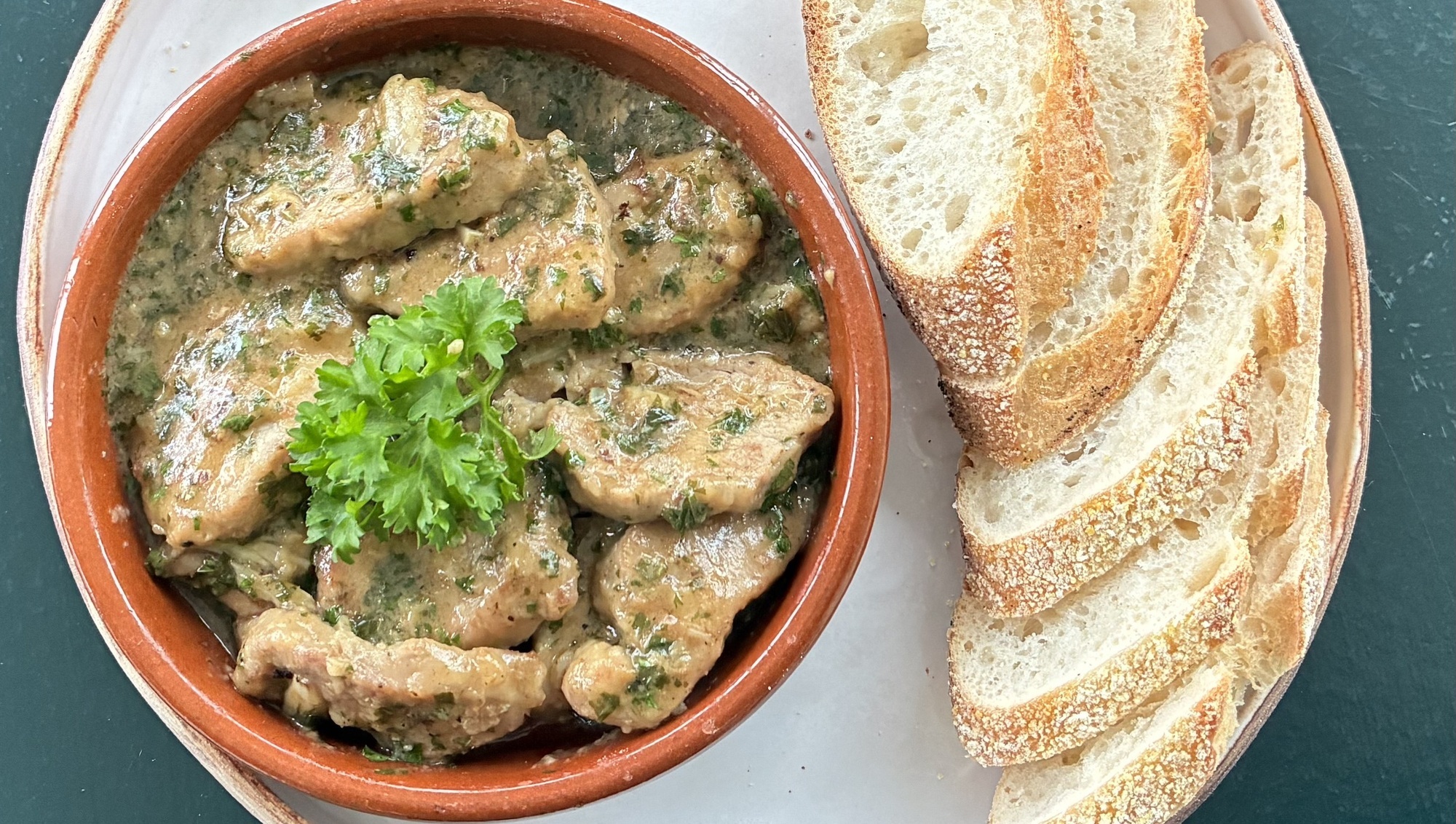
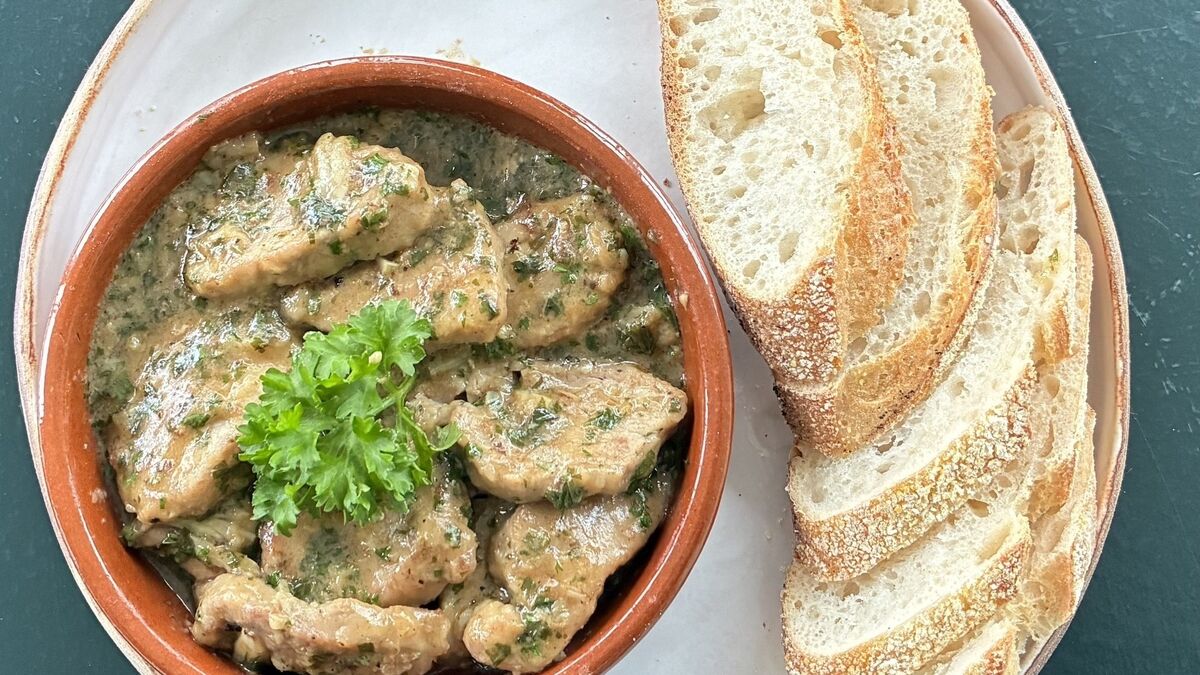
Solomillo al whiskey is a specialty of many of the tapa bars in Seville, a classic, traditionally served with fried potatoes and a slice of bread to mop up the juices.

Recently, we spent a few days in the south of Spain, no it wasn’t warm and sunny, pretty much the same temperature as Ireland. Some days were wet and drizzly; others crisp with clear blue skies.
Such beautiful countryside, long legged black Ibérico pigs, roam freely through the Dehesa (woodlands) under the Cork oak trees around the town of Aracena, vultures soar through the air, wild boar and deer snuffle through the undergrowth … This is the highest town in the Sierra Morena mountains in Andalusia, spectacular walking countryside, deep in the heart of a prestigious jamón producing area.
Jamón Ibérico, the dry-cured leg of pork from the long legged black Ibérico pig, (pata negra) is one of my all-time favourite foods and what I personally consider to be the very best ham in the world. It’s prized for its nutty, complex, deep, umami flavour, rich marbling and melt-in-the-mouth texture. Its exceptional qualities are a result of pigs' genetics which allow fat to permeate the muscle. and a traditional curing that lasts not just for months but for years, which differentiates it from the generic Serrano ham.
It’s a speciality of Spain and Portugal, produced on the Iberian Peninsula.
There are various grades, but the very best is reared in the oak forests of Andalusia, Extremadura and Salamanca. During montanera, the final fattening phase, the pigs gorge on 6 to 8kg of acorns a day. The acorns (bellotas) contribute to the darker colour and intermuscular fat that suffuses the jamón with its sweet, nutty, flavour. It is high in oleic acid which increases good and reduces bad cholesterol.
Most restaurants, cafes and bars and many households will hand-carve slivers from a whole leg perched on a special stand in the kitchen or sideboard, a special and highly prized knife skill.
Serrano is a generic name for all cured ham. but as ever. there are many different qualities.
If you decide to purchase a whole jamón, buy from a specialist butcher shop, best to be guided by a local with a deep understanding of real quality.
Look out for the highest grade, pata negra, (black label) from the long-legged Ibérico pig. Both parents will be 100% pure-bred Iberian pigs.
Next, the Ibérico de Lotta (red label) which can come from a crossbreed pig, one pure-bred parent but still fed on a diet of rich cork and holm oak acorns.
Next, Cebo De Campo Ibérico (green label), an Ibérico mix crossbreed, reared outdoors but the diet is supplemented with grains and greens.
And finally, Cebo (white label) Ibérico mixed breed, white pigs, intensively reared and fed on grain rather than ranging freely on pasture and acorns.
Jamón is at the heart of Spanish culture, it’s got a deep, lingering flavour and unctuous texture. It’s carved meticulously into slivers and eaten simply with picos, crunchy little breadsticks and a glass of Fino sherry.
My other gastronomic excitement on this trip was saffron milkcap mushrooms. These bright orange fungi pop up under pine trees in the woodlands from December to February. There are several types in this family, but it helps to know that the saffron milkcaps exude an orange liquid turning to green when cut while the orange milkcaps have a milky white liquid. Delicious sliced and cooked in extra virgin olive oil with a few slivers of garlic and a lump of butter, pile on toast, enjoy for breakfast, add to stews…
We stayed at the lovely Finca Buenvino, close to Aracena, a beautiful ochre painted house at the top of a hill, in the midst of the Cork oak and pine forests. An enchanting place, full of laughter, delicious food, comfy sofas, tons of books, open fires, the warmest welcome and freshly picked saffron milkcap mushrooms for breakfast!
Aracena is also famous for the Gruta de las Maravillas, the largest and arguably the most impressive caves in Spain, supposedly discovered by a local boy in search of his lost pig. These caves are incredibly beautiful and skilfully illuminated… Be sure to continue to the end chamber known as the Sala los Culos, Room of the Buttocks, an extraordinary naturally sculpted cave - well worth seeing this phenomenon!
At the beginning of our Spanish adventure, we spent two nights in the ancient Medieval city of Carmona, one of Europe’s oldest walled cities, dating back over 5,000 years and just 20 minutes from Seville Airport.
On our way home, we spent a night in Seville. What a gorgeous city, I long to return, so easy to get to now, there are direct flights from Cork and Dublin Airports several times a week. In the evening, we went to see a lively Flamenco show at La Casa del Flamenco and then onto several bustling bars to taste lots of traditional tapas. Here are recipes for some of the many I really enjoyed but don’t miss the grilled razor clams, and the other tiny clams called coquinas, pigs liver in sherry, slow cooked pigs cheek with potatoes, solomillo al whiskey, pringa, potato tortilla, manchego with membrillo, boquerones fritos….
- Bodega Santa Cruz. Rodrigo Caro 1, Seville
- El Rinconcillo, founded in 1670, elrinconcillo.es
- Hijos de E.Morales, C. García de Vinuesa, 11, Casco Antiguo, 41001, Seville
- Finca Buenvino, fincabuenvino.com
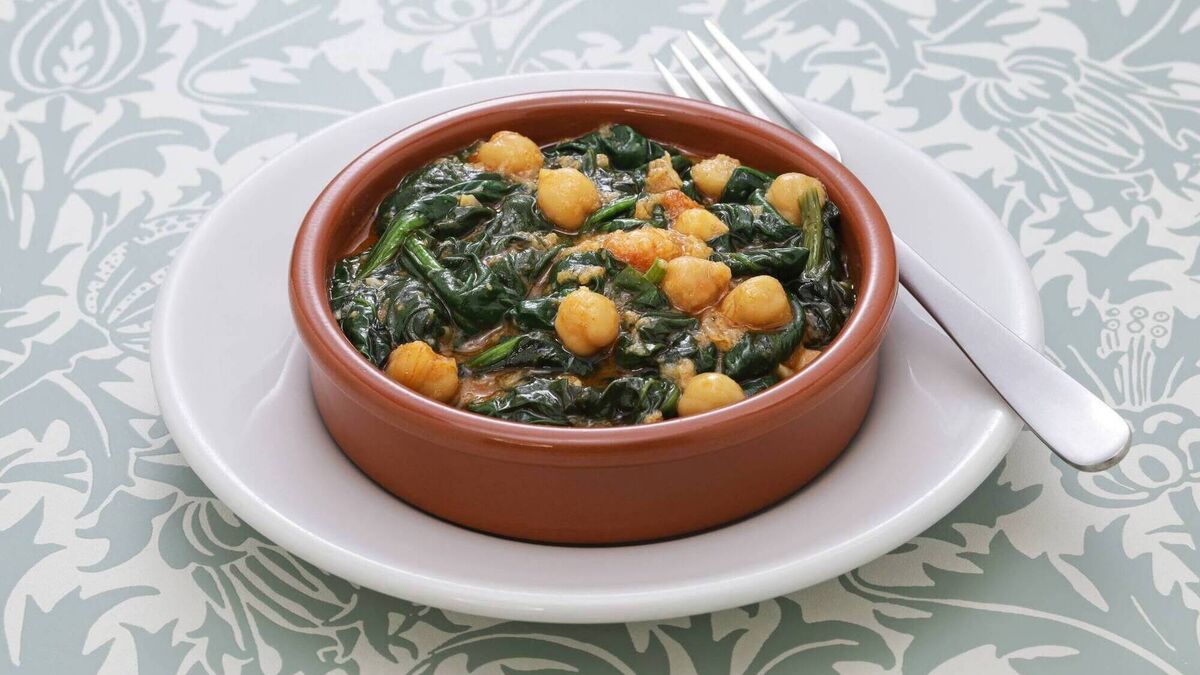
Finca Buenvino’s Spinach with Chickpeas
Chickpeas are a standard ingredient of Andalucian and Spanish cooking. When you go to the vegetable shops in Aracena you will often see the pulses soaking in a dish. They are deliciously nutty when you buy them this way or soak them yourself for 24 hours.
Preparation Time
10 minsCooking Time
15 minsTotal Time
25 minsCourse
MainIngredients
1 small onion, finely sliced (optional)
3 large tbsp olive oil, plus more to thicken
3 cloves of garlic roughly chopped into 3 or 4, or 1 small garlic clove, crushed
2kg spinach
500g soaked, cooked chickpeas
1 small clove of garlic, crushed, or 300ml chicken stock
2 tsp plain flour
spices to taste (cumin, pepper, cloves or pinchito spice)
2 tsp tomato purée (optional)
salt
freshly ground black pepper
Method
If using the onion, wilt it in the olive oil, then add the crushed garlic and spinach.
Then, if using chopped garlic, stew it in the olive oil, allowing it to turn golden.
If using crushed garlic, just add it to the pan.
Throw in the spinach, stirring and wilt it down without burning (150ml of water can help at this point, to steam the spinach into submission.)
Add the chickpeas and half the stock. When all is warmed through, add the remaining stock.
Stir the flour in a little oil in a small bowl to make a runny paste.
Take some of the liquid from the spinach and stir it into the paste, then tip back into the spinach and allow to thicken.
If it’s too thick add more stock or water, you want a creamy texture.
Add the spices to taste and the tomato puree (if using). Season with salt and pepper and serve with thin slices of bread fried in olive oil.
Solomillo Al Whiskey
A specialty of many of the tapa bars in Seville, a classic, traditionally served with fried potatoes and a slice of bread to mop up the juices.
Servings
4Preparation Time
10 minsCooking Time
20 minsTotal Time
30 minsCourse
MainIngredients
1 pork fillet or tenderloin, approximately 450g, trimmed
Salt and freshly ground black pepper
Plain flour seasoned with salt and pepper
2-3 tbsp of extra-virgin olive oil
4-6 cloves of garlic, unpeeled and lightly smashed
175-225ml whiskey
350ml chicken stock
¼ tsp of cumin, optional
20g butter, optional
1 tbsp of freshly squeezed lemon juice
Parsley, coarsely chopped for garnishing.
Method
Slice the pork into medallions, approximately 7mm thick, season well with salt and freshly ground pepper.
Toss lightly in well-seasoned flour.
Heat a cast-iron frying pan over a high flame.
Add the olive oil, seal the medallions on both sides until nicely golden. Remove the pork to a plate.
Reduce the heat, add extra oil if required and add the smashed garlic cloves to the pan and cook for a few minutes until soft and fragrant. Increase the heat, add the whiskey, flame, stir and allow the alcohol to evaporate for a minute or two.
Add the hot stock, a generous pinch of cumin and a lump of butter if using. Bubble up, simmer and cook for 8 to 10 minutes until the sauce is reduced and the garlic is tender. Add a little more stock if needed.
Add the medallions back into the sauce, cook for a minute or two until the meat is heated through, fully cooked and coated in sauce. Taste and correct the seasoning necessary.
Serve with fried potatoes and bread to mop up the delicious sauce. Sprinkle with freshly chopped parsley and serve immediately.
We’re smack bang in the midst of the citrus season. Beautiful Bergamot lemons are available from Caitriona Daunt, Organic Republic at both Midleton and Mahon Point Farmers’ Market.
The streets of Seville are lined with bitter Seville oranges at present, so I decided to offer a Forgotten Skills Homemade Marmalade Making Class with Darina Allen at Ballymaloe Cookery School in Shanagarry, Co. Cork on January 21.
The Seville oranges are only in season from late-December to mid-February, but they unquestionably make the very best marmalade.
In one busy morning, you will learn how to make a classic Seville Orange Marmalade plus several riffs, with treacle, Irish whiskey and ginger…and my favourite, kumquat marmalade.
We will also make a three-fruit marmalade, Bergamot marmalade, a Ballymaloe whole orange marmalade made with frozen Seville oranges, and a no-cook marmalade, which can be whipped up at any time of the year.
Lots of suggestions for delicious ways to use your homemade marmalade apart from just slathering it on buttered toast.
Participants will bring home a few pots of their own marmalade to enjoy and impress!
ballymaloecookeryschool.ie