Michelle Darmody: How to bake focaccia and the mistakes to avoid
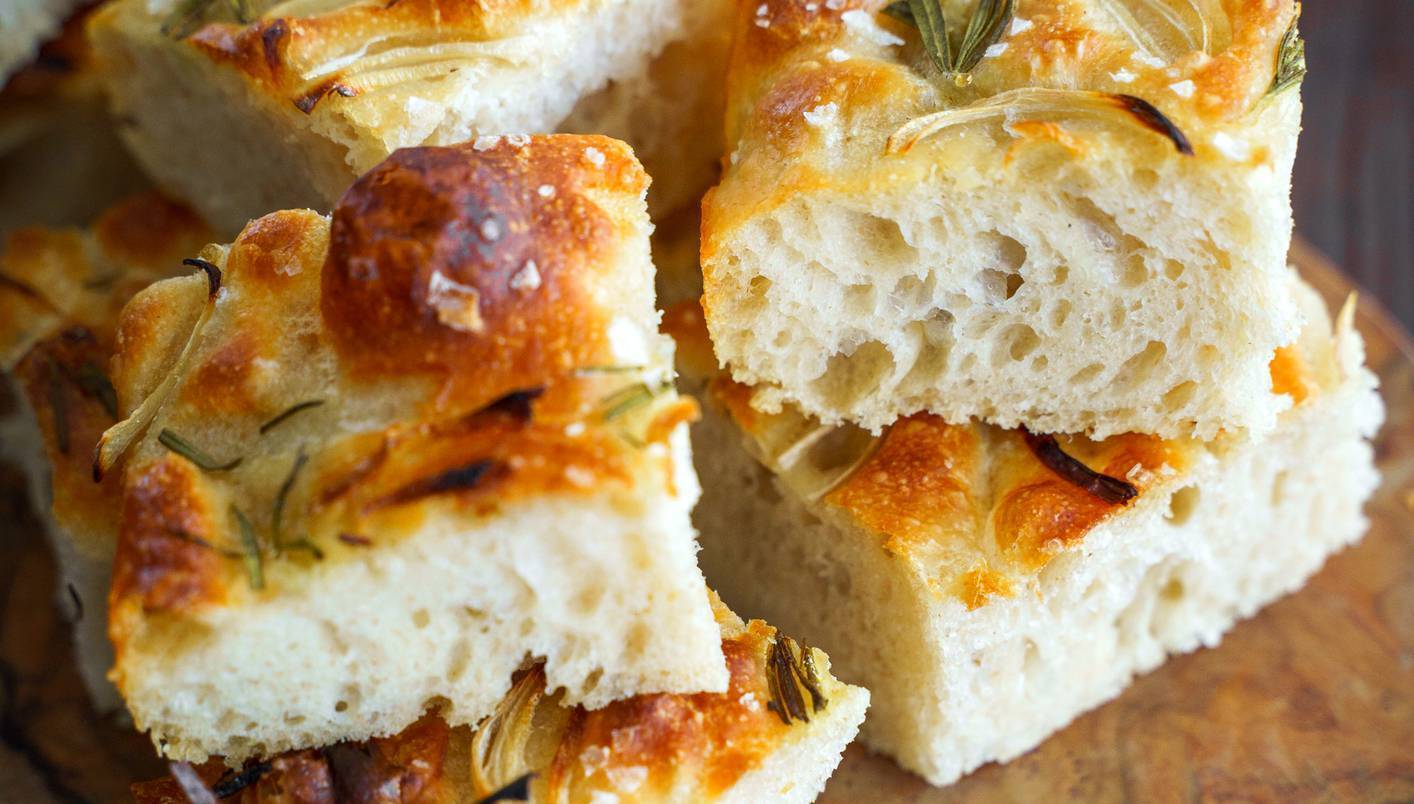
It is best not to overbake — you just want a light golden colour on the top and for the bread to be light and soft on the inside.

Bread dough is velvety smooth to work with, and there is something very comforting about feeling it move between your fingers as you knead it.
Focaccia
Being generous with your olive oil and choosing a good quality one are key in this recipe.
Servings
9Preparation Time
30 minsCooking Time
20 minsTotal Time
50 minsCourse
BakingIngredients
500g strong white flour
7g dried yeast
3 tsp flaky sea salt
350ml warm water
6 tbsp olive oil
2 shallots, peeled and thinly sliced
Handful of fresh rosemary
Method
Stir the yeast into half of the flour and crush two teaspoons of the salt into the other half of the flour.
Combine both batches of flour and make a well in the centre.
Add the warm water and two tablespoons of the oil into the well and mix it together until a sticky dough is formed.
Scoop the dough onto a lightly floured surface. Knead the dough for about 10 minutes until it forms a smooth ball.
Lightly oil a clean bowl and place the dough into it.
Sit it in a warm place with a damp tea towel draped over it.
Allow the dough to double in size; it will take about an hour.
Lightly oil a 10 x 14-inch tray with sides.
Tip the dough onto a lightly floured surface and gently pull and press it into shape so it fits the tin.
Place the dough into the tin and cover it with a warm damp tea towel for 35 minutes.
Sauté the shallots in olive oi with a pinch of salt for 20 minutes until they are soft and translucent.
At the end of cooking, stir through the sprigs of rosemary, coating them in oil, set aside to cool.
Preheat your oven to 200 ºC/gas mark 6.
Remove the tea towel from the dough and dimple it with your fingertips.
Spread the shallots and rosemary over the dimpled focaccia.
Drizzle the remaining olive oil over the dough.
Sprinkle on the remaining sea salt.
Bake for 20 minutes until golden on top.
Drizzle with some more olive oil and allow to cool in the tin for five minutes then transfer onto a wire rack to cool completely before slicing.
Separating the yeast and salt into two separate batches of flour helps to prevent the salt from damaging the yeast and making it inactive. The salt can draw moisture out of the yeast and slow down its fermentation if they are mixed together too early.
It is important that the water is warm to activate the yeast. It should be just slightly above body temperature.
Making a well in the flour to add the wet ingredients ensures a more uniform dough. It allows the wet and dry ingredients to be gradually incorporated in a controlled manner and helps to prevent overmixing, which would result in a tough focaccia.
When choosing a topping, it is best not to use ingredients that contain too much water, as the water will release into the dough, making it soggy. Large mushrooms or big tomatoes, for example, would make the bread wet.
The second rise of the dough in the tin is an important step. It allows the dough to develop structure and strength but also adds more flavour.
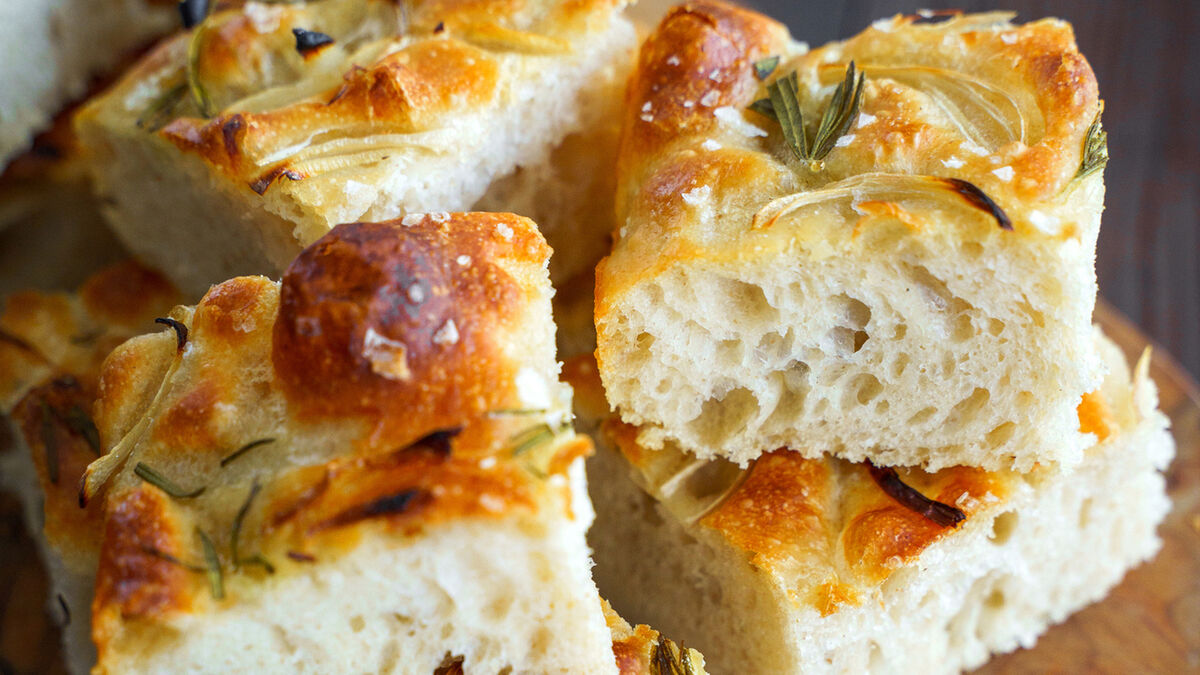
It is best not to overbake — you just want a light golden colour on the top and for the bread to be light and soft on the inside.
The focaccia will keep for two days in an airtight container.
In place of the shallots, use 50g sundried tomatoes, roughly chopped, 50g olives, de-stoned and two cloves of garlic, sliced. Toss all of these ingredients in your olive oil and make sure to push them into the dimples in your dough.
In place of the shallots, use four or five fresh figs. Cut the stems off and quarter the figs.
Mix 1 tablespoon of honey with a half-tablespoon of lemon juice and the zest of two lemons.
Mix this with the olive oil and toss the figs in it. Press the figs and rosemary into the dough and add any extra lemon and oil mixture on top. Bake as instructed.
Brush or drizzle another half-tablespoon of honey on the warm focaccia and serve with dollops of mascarpone on top.
When spreading the sautéed shallots over the dough, add wafer-thin slices of ham and push these into the dough. When you are serving, sprinkle fresh rocket on top.
The spiciness of the rocket is great with the salty bread and ham.