Darina Allen: Three Sri Lankan recipes to try, including a potato curry
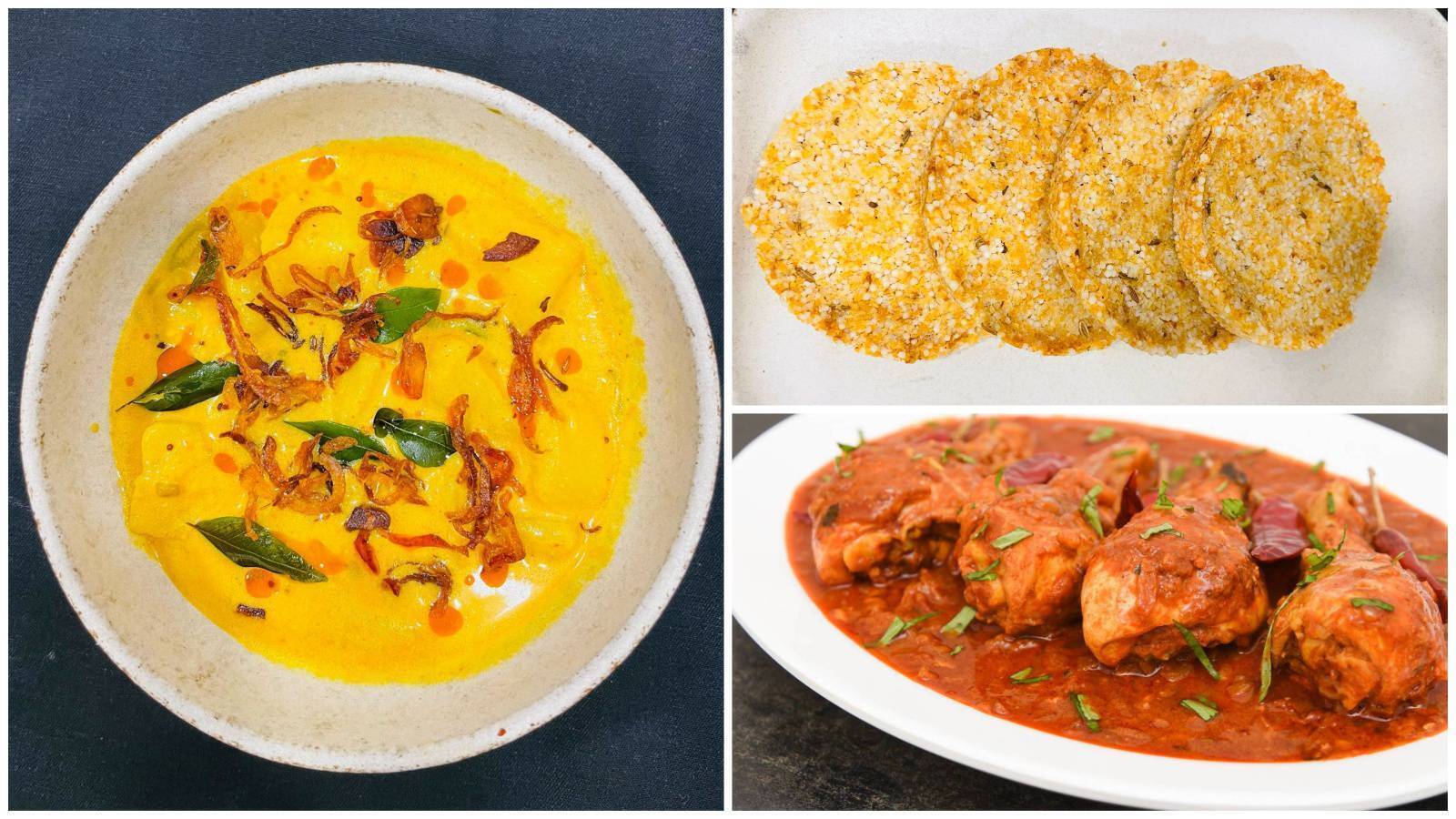
Darina Allen recently travelled to Sri Lanka to participate in the Gourmet Galle festival

All over the world there are food festivals. Some principally focus on food and invite guest chefs from across the globe to share their creativity and skills.
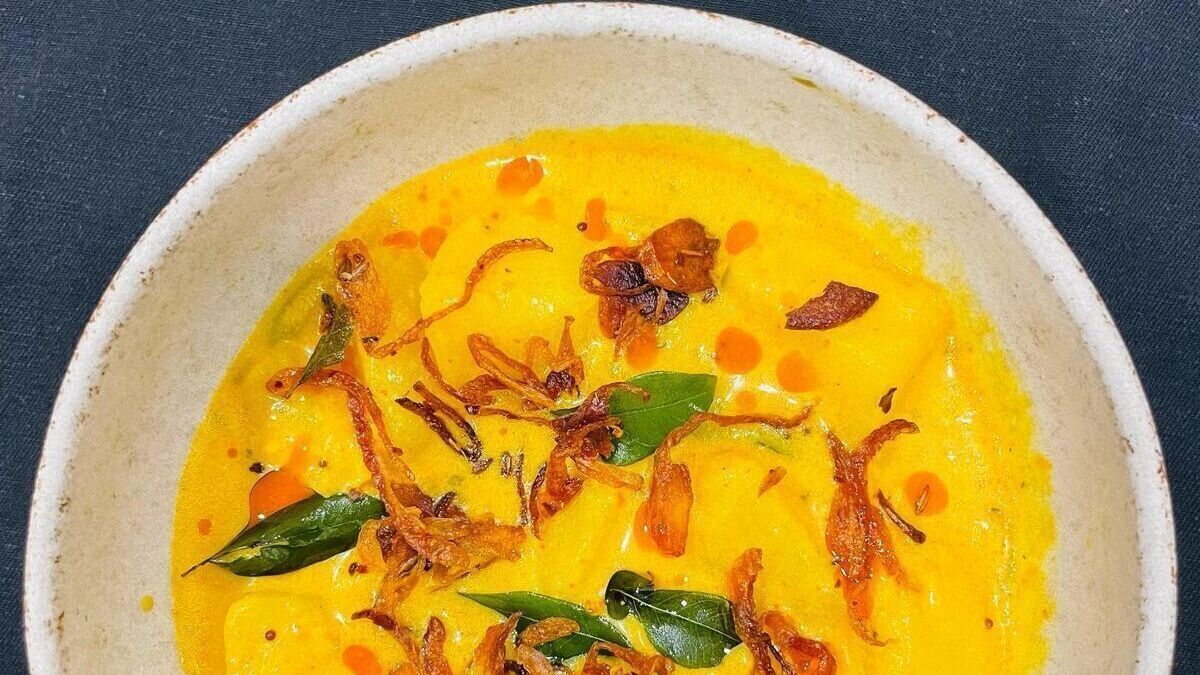
Sri Lankan Potato Curry
It’s worth making your own batch of Sri Lankan curry powder. It takes ten minutes and will keep in the fridge in a jar for three months.
Servings
4Preparation Time
15 minsCooking Time
30 minsTotal Time
45 minsCourse
MainIngredients
4 medium potatoes – 600g approx
3 tbsp onions or shallots, finely chopped
1 large garlic clove minced
3 pieces of pandan leaves (about 10cm each)
1 sprig of fresh curry leaves
1 green chili sliced
1⁄4 tsp turmeric powder
1⁄2 tsp curry powder * (see below)
1⁄8 tsp fenugreek seeds
3⁄4 tsp salt (adjust to your taste)
225ml water (you may need more or less)
350ml thick coconut milk
3 drops of freshly squeezed lime juice (optional)
For the curry powder
30g coriander seeds
15g cumin seeds
15g fennel seeds
15g black peppercorns
2 tbsp coconut or vegetable oil
8-10 fresh curry leaves
70g dried Kashmiri or medium hot red chillies
¼ tsp ground turmeric
Method
To make your curry powder: In a dry pan over a low-medium heat, roast the coriander, cumin, fennel and black peppercorns for 1-2 minutes, stirring regularly, until they begin to be really fragrant, then pour them into a bowl.
Add the oil to the pan and cook the curry leaves and dried chillies for 2-3 minutes, stirring often. Remove from the heat and when cool, blitz in a spice grinder or food processor until fine – blitz in batches if needs be.
Stir in the turmeric and store in a jam jar.
Wash and peel the medium size potatoes (a waxy type like Yukon gold potatoes is preferred). Cut them into quarters or to 6 pieces of your potatoes are on the bigger side. Make sure all the potatoes are roughly equal in size.
Then put them into a deep saucepan.
Add all the ingredients except the water, thick coconut milk, and lime juice.
Then add your water and mix well. You might want to adjust the amount of water depending on the vessel and the number of potatoes you use.
Cook covered until the potatoes are fork-tender. This means you should be able to poke the potatoes with a fork without much resistance. It’s okay to have about 50ml of water left. If you have more water than that then increase the heat and leave the pot uncovered and let the water evaporate.
If your potatoes are still not cooked and all your water has evaporated then add some water, cover the pot, and cook until potatoes are tender.
Do not overcook your potatoes otherwise, they will become mush. So, keep an eye on them and check the doneness of your potatoes from time to time.
Now lower the heat and add your thick coconut milk.
Mix gently without breaking your potatoes. Bring the coconut milk to simmer. And then keep gently mixing the curry continuously for about 5 mins without breaking the potatoes so your coconut milk wouldn’t curdle. Make sure you taste the curry and adjust the salt too.
Turn off the heat and keep stirring it gently until the curry cools down a little bit.
Then squeeze a few drops of lime juice (this step is totally optional), it thickens up the curry just a little bit more, helps to cut through the creaminess.
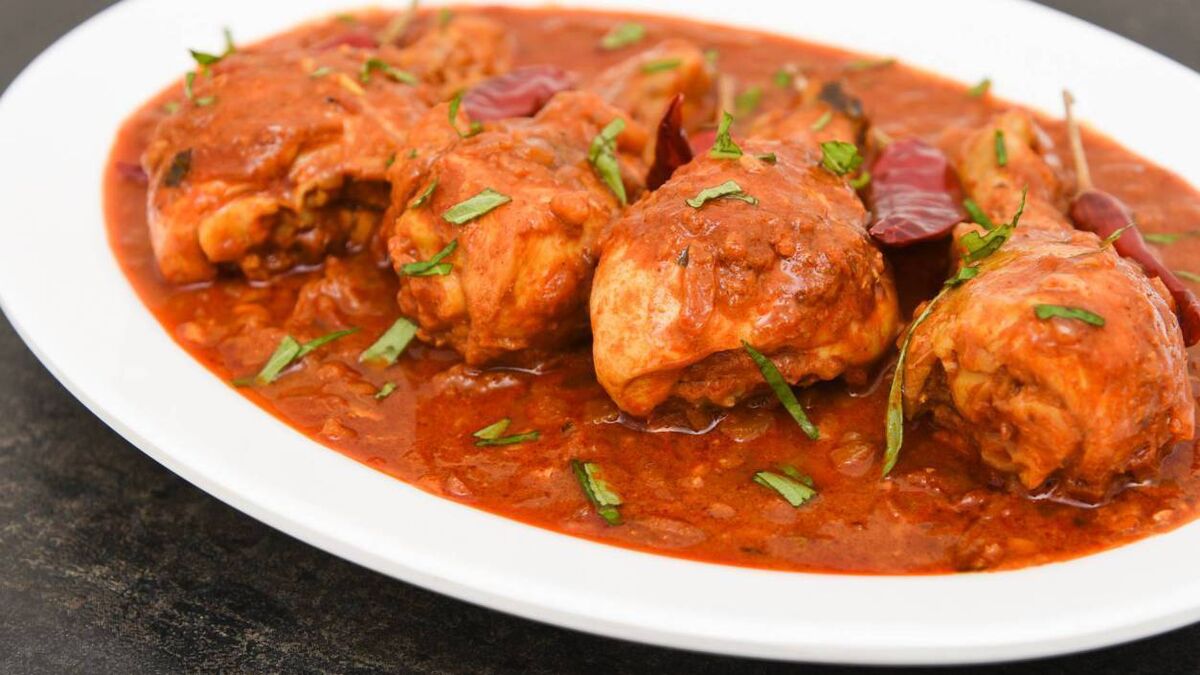
Ceylon Chicken Curry
Curry leaves are an essential ingredient in many Sri Lankan dishes. Fresh are best but if you don’t have an Asian shop close by, use frozen or dried. In both Sri Lanka and India, sauce is referred to as gravy.
Servings
8Preparation Time
15 minsCooking Time
45 minsTotal Time
60 minsCourse
MainIngredients
900g whole chicken, cut into small portions
2-3 tbsp coconut oil or vegetable oil
½ onion, diced or sliced
4 garlic cloves, finely chopped
2.5cm piece of ginger, finely chopped
2 ½ tbsp roasted Sri Lankan curry powder (available in Asian shops)
1 tsp chili powder
1 cinnamon stick (preferably Ceylon cinnamon)
6-7 fresh curry leaves
2 serrano green chili
½ tsp salt plus more to taste
2 medium-sized tomatoes
110ml full-fat coconut milk
110ml water
Method
Prepare the bone-in chicken by cutting it into smaller pieces. Each piece should be fairly small but not bite-sized.
The larger the chicken piece, the longer it will take to cook through, so it’s important to keep the pieces fairly similar in size.
Add the coconut oil into a large saucepan and heat the oil over medium heat. Add the onions and cook until they start to soften. Add the garlic and ginger to the softened onions, and saute until the garlic starts to soften. Make sure it doesn’t burn.
Add the curry powder, chili powder, cinnamon, curry leaves, and mix to combine. Cook for a few minutes until you start to smell the spices.
Add the chicken, green chili, salt, tomatoes, and mix to coat.
Cook for 10 minutes with the lid off, on medium high heat. Frequently stir to make sure the chicken or the spices don’t burn.
Add coconut milk, water, and bring the curry to a boil. If you want less gravy, add less liquid.
Lower the heat and let it simmer with the lid on for about 20 minutes, stirring occasionally. Leave the lid off if you want to reduce the liquid content in the curry.
The chicken should be completely cooked by this point. This will depend on the size of the chicken pieces and the stove you use.
Taste the curry and season with more salt to taste if needed.
If the chicken curry gravy is too thin, or there’s too much of it, uncover and simmer the curry for a further 10 minutes or longer.
This step is optional, but it allows the water to evaporate and for the gravy to thicken. If you want more gravy, you can add more water or coconut milk, but you will need to adjust the flavour accordingly. Turn off the heat and let the chicken cool down slightly. Serve with rice or roti.
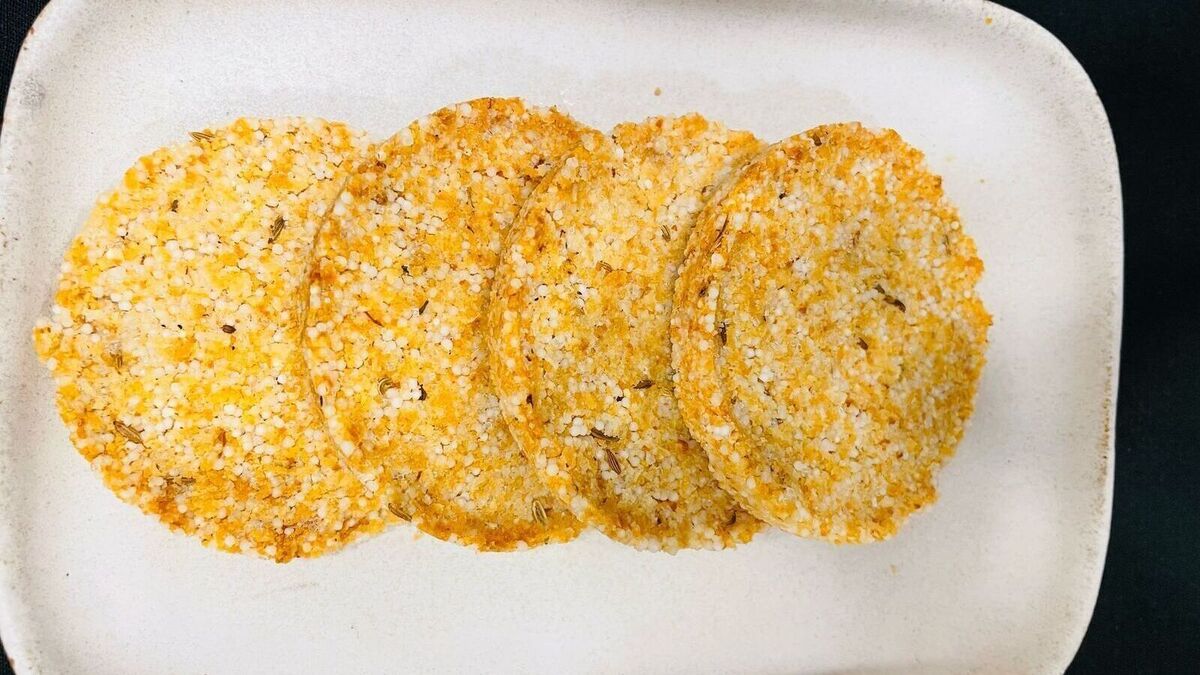
Sawborow
These delicious crunchy biscuits were in our room as a welcome treat on our arrival at The Charleston in Galle Fort. Remember sago? It gives a delicious crunchy texture to the Sawborow. Sawborow keep really well in an airtight container for one month.
Servings
100Preparation Time
10 minsCooking Time
60 minsTotal Time
1 hours 10 minsCourse
BakingIngredients
1kg sago
1.4kg freshly grated coconut
1kg sugar
40g breadcrumbs
20g fennel seed
50g coconut butter
Method
Preheat the oven to 120°C. Line a baking tray with parchment paper.
Combine all ingredients and mix with your hands until the mixture sticks together, adding 1-2 tablespoons of water if necessary. The moisture in the coconut will determine if you need the additional water.
Place a cookie/biscuit cutter (7.5cm approx.) on the baking sheet.
Add a few tablespoons of the mixture and using the back of a spoon, press down until tight and compact. Carefully remove the cookie/biscuit cutter.
Repeat until all of the mixture has been used. Bake for 45 minutes until pale golden, turn over and bake the other side for 15 minutes.
Note: When you remove the sawborow from the oven, they will appear to be soft, but they become very crispy as they cool.
Sometimes it’s just a matter of knowing a simple little technique that makes all the difference to your confidence in the kitchen. This two and a half day course will teach you some of these Ballymaloe basics and give you confidence in the, kitchen to have fun cooking for yourself, friends or family. Many of the recipes use delicious, seasonal ingredients from the school’s organic farm and gardens. We’ll show you how to make a delicious loaf of crusty bread and share a selection of appetisers, starters, mains and puddings.
For more information, see www.ballymaloecookeryschool.ie
Darina loves baking and in this afternoon class, she’s determined to take the mystery out of breadmaking, sharing many of the favourites in her repertoire from soda bread, yeast bread, flat bread – some of which are made in minutes. You’ll learn how to make the famous Ballymaloe Brown Yeast Bread – no kneading and only one rising. When Darina released the New Ballymaloe Bread Book in 2023, the original was already a classic, many new recipes were added to the new addition. Copies of all recipes included.
For more information, see www.ballymaloecookeryschool.ie
Still time to enjoy Alexanders (Smyrnium olusatrum), the native plant with pale yellow green leaves growing along the roadsides in the countryside at present. It’s over 1 metre high.