Michelle Darmody: How to bake Dutch Baby pancakes — and the mistakes to avoid
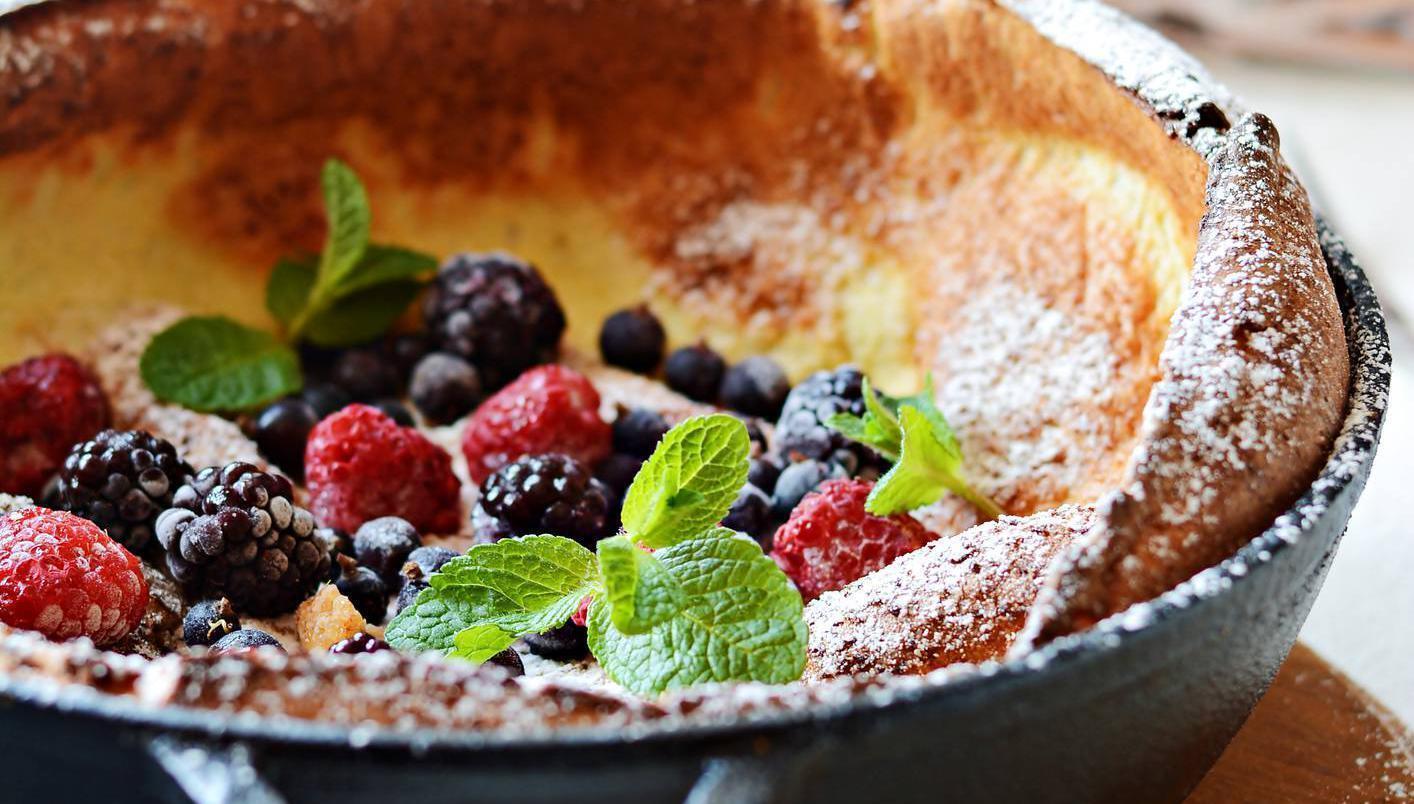
Dutch Baby Pancakes are called after German immigrants who became known as the Pennsylvania Dutch, the baby in the name refering to the size of the pancake.

It is Pancake Tuesday this week. I always insist on making thin savoury crepes for dinner, filled with mince, then rolled up and topped with a sprinkle of grated cheese, before being popped under the grill.
Each year I ask myself why I don’t make this dinner more often, and each year it slips out of memory for another twelve months. I guess the rarity is what helps make it so tasty.
When I worked in the United States as a student, I soon realised pancakes come in all shapes and sizes, not just the thin sugar and lemon-dusted crêpes I grew up with.
The chefs in the diner where I worked made round and fluffy discs which they stacked high, or huge, fat plate-sized pancakes smothered in sweet syrup and topped with the thinnest of crisp bacon strips.
One of their specialities were baked Dutch Baby Pancakes, which are called after German immigrants who became known as the Pennsylvania Dutch, the baby in the name refering to the size of the pancake.
Each person was served an individual ‘baby’ pancake in their own skillet, small relative to the size of other servings in the diner, where everything seemed huge to my Irish eyes.
At home I make the Dutch Baby in one large pan so that it can be sliced up among all those at the table. It is far easier and does not call for a cupboard full of mini skillet pans.
Dutch Baby Pancakes
At home I make the Dutch Baby in one large pan so that it can be sliced up among all those at the table. It is far easier and does not call for a cupboard full of mini skillet pans.
Servings
4Preparation Time
10 minsCooking Time
18 minsTotal Time
28 minsCourse
DessertIngredients
Preheat your oven to 220ºC/gas 7.
100g flour, sieved
½ tsp ground cinnamon
3 eggs, lightly beaten
½ tbsp honey
1 tsp vanilla
150ml milk
20g butter
Method
Place your pan into the oven to heat while you are making the batter.
Sieve the flour and cinnamon together and set aside.
Whisk the eggs, honey and vanilla until foamy and doubled in size.
Add in the milk and flour mixture.
Whisk gently until a smooth batter is formed.
Carefully remove the hot pan from the oven, swirl the butter in the pan until it is completely coated.
Pour the batter into the still-hot pan and place it back into the oven.
Bake for about 18 minutes until it has puffed up and is golden all around the edges.
Serve with fruit or compote and a dollop of natural yoghurt.
- You want the batter to be smooth and pourable so make sure all of the ingredients are well combined and there are no lumps of flour.
- If you have time to allow the batter to rest, it can help with creating a good lift and texture. It gives the flour a chance to absorb the liquid, making the batter a little thicker in consistency.
- The batter can be made the night before. Keep it in the fridge until you need it and lightly whisk it before pouring it into the pan to bake.
- It can be tricky taking the hot pan out of the oven so it is best to do this without children running about. I use a thick oven glove and make sure the hob above my oven is clear so that I can easily rest the hot pan on to it as I add the butter and then the batter.
- The oven temperature is quite high in this recipe and ovens can vary quite a lot, so it is worth keeping an eye to make sure the puffed-up edges are not becoming too dark in colour. I have a glass door in my oven and just look in through this. If you do not have a glass door a very quick peek after 12 minutes should do. If it is becoming too dark in colour, remove it a minute or two earlier. If the puffed-up edges do get over done, they tend to be dry in texture and have a slightly strong flavour from the overcooked eggs in the batter.
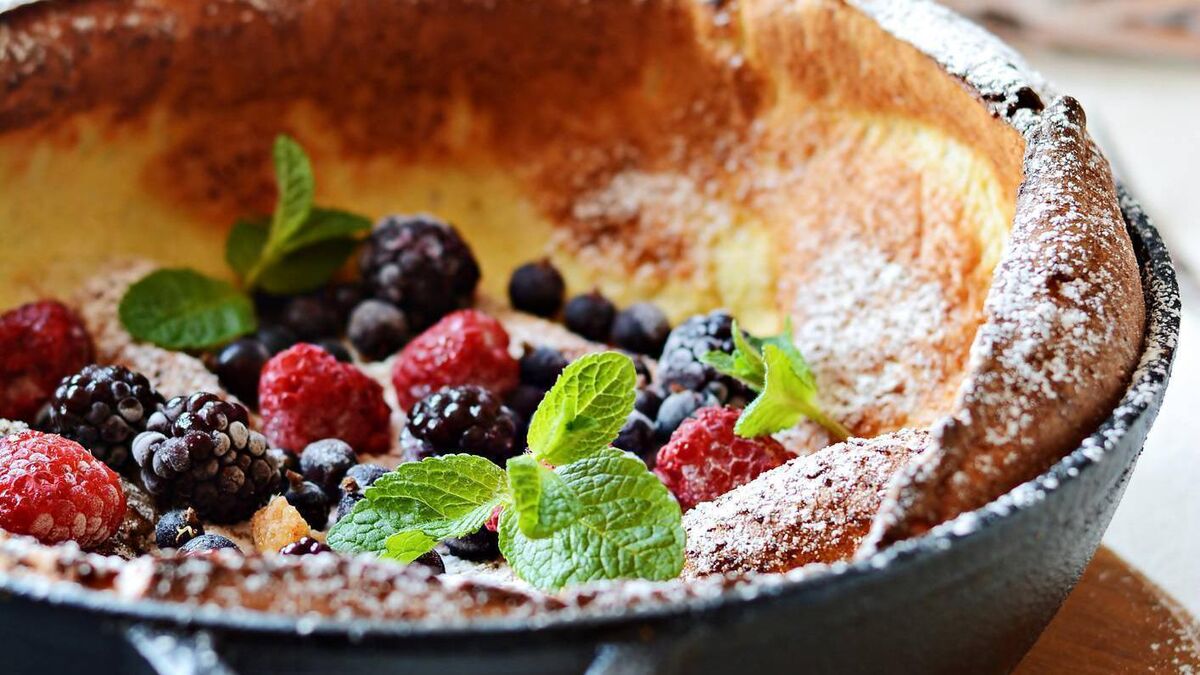
- It is best to serve the Dutch Baby about ten minutes after it comes out of the oven. There will be a nice indent in the centre that can be filled with berries, compote or the topping of your choice.
You can dot any soft fruit on top of the batter before you bake it.
The slices of fruit will sink in and soften as the pancake puffs-up in the oven. I particularly like sliced plums.
I destone and slice four small plums and after the batter has been poured into the pan I dot them on top.
For this version, I tend to use an extra teaspoon of vanilla and omit the cinnamon.
Sliced cooking apples work best for this version.
I find that cooking apples hold their shape better when baking, but you can also use eating apples if that is what you have to hand.
Dot the apple-cored slices into the pan of batter before placing it into the oven.
You can also sprinkle an extra half a teaspoon of ground cinnamon over the pancake before baking.
This is a very traditional addition to an American-style pancake.
I love the way blueberries soften, and their flavour intensifies as they bake.
Stir a generous handful into the batter before you pour it into the pan and bake as instructed.