Darina Allen: Three recipes you have to try with my favourite underrated winter vegetable
Here are a few recipes to whet your appetite for Jerusalem artichokes

As promised, this week’s column is completely devoted to what is probably my favourite but most underrated winter vegetable — the Jerusalem artichoke. Despite their name, they’ve got nothing to do with Jerusalem and aren’t even related to artichokes. The flavour is reminiscent of globe artichoke hearts: Sweet and nutty. The name appears to be an adaptation of girasole, the Italian word for sunflowers.
So now what to do with this ugly vegetable?
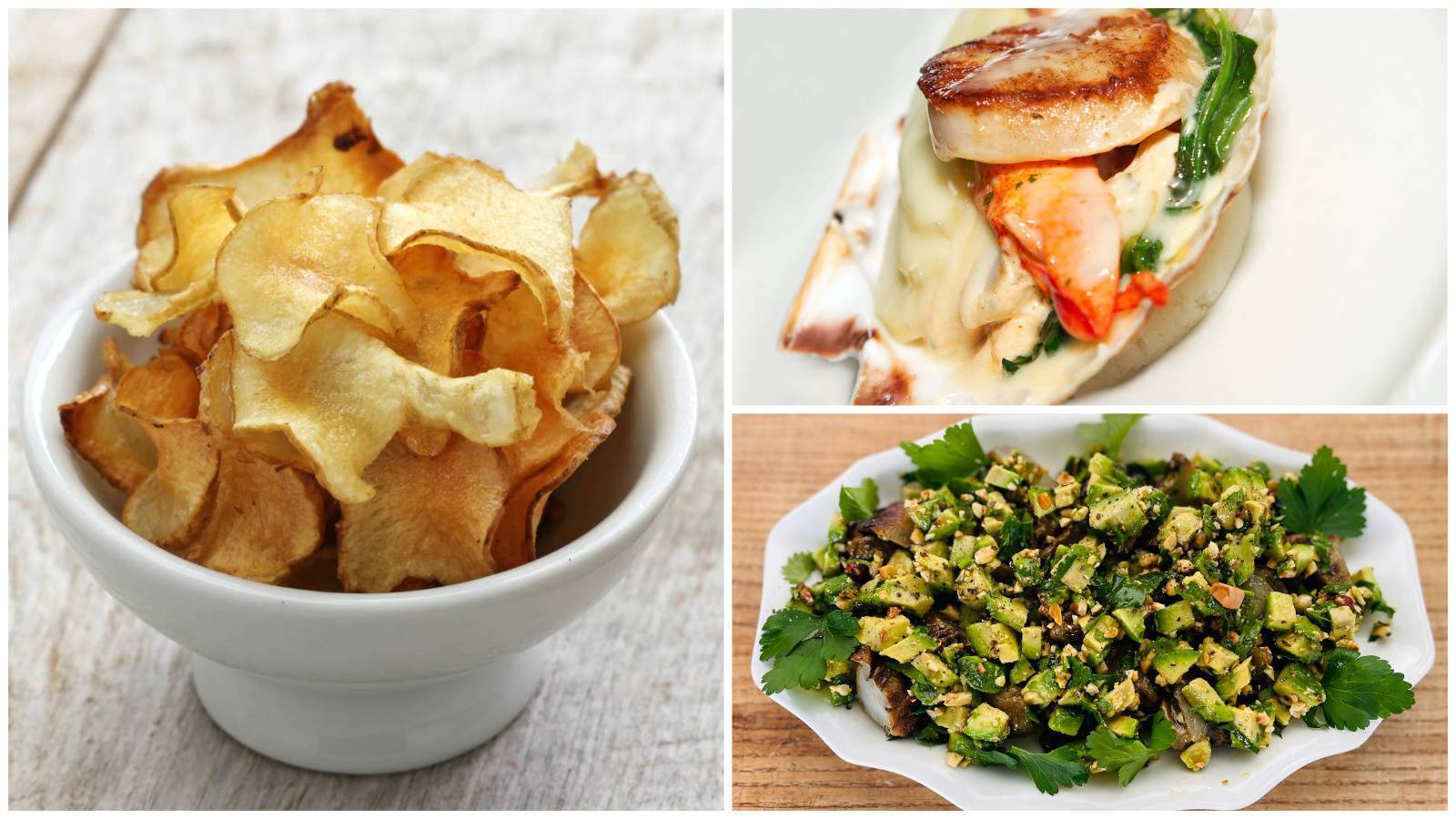
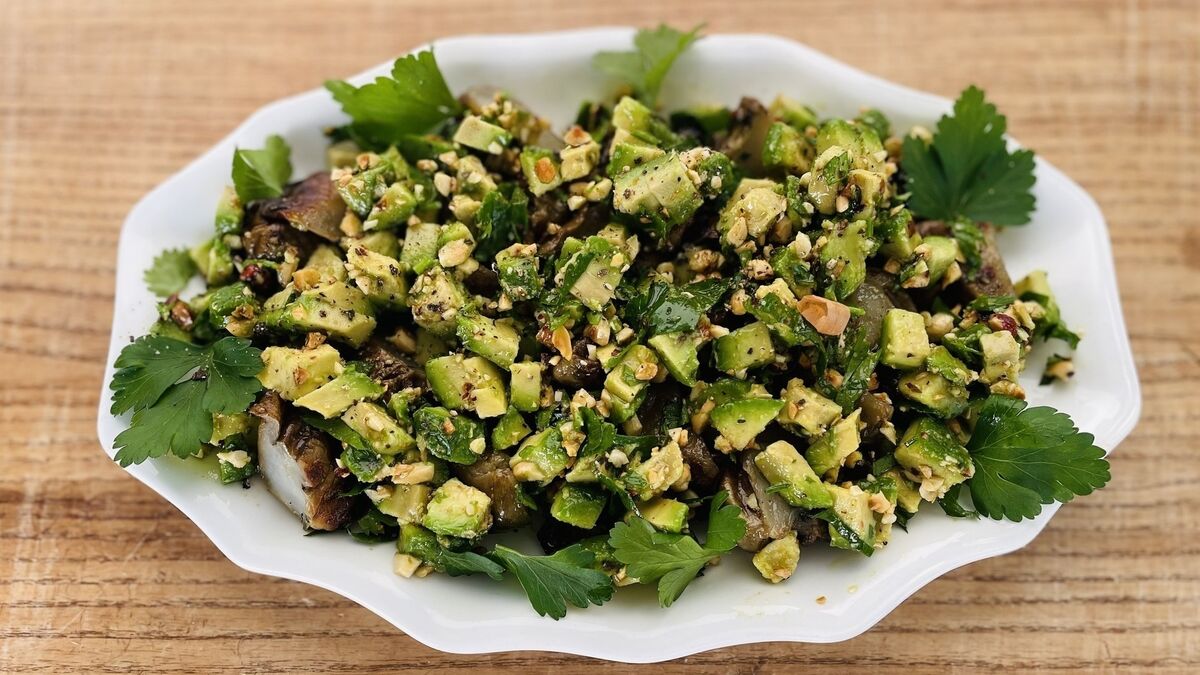
Roast Jerusalem Artichoke & Hazelnut Salad
Everyone loved this delicious combination — a recent addition to our repertoire. The winter salad is particularly good with goose, duck, pheasant, or as a starter.
Servings
6Preparation Time
10 minsCooking Time
30 minsTotal Time
40 minsCourse
StarterIngredients
450g Jerusalem artichokes, well-scrubbed
2 tbsp sunflower or extra virgin olive oil
Salt and freshly ground pepper
For the salsa
1 ripe avocado, halved, stone removed, peeled and diced into neat 1cm dice
3 tbsp of hazelnuts, roasted, skinned and coarsely chopped
3 tbsp of hazelnut or olive oil
1 tbsp of chopped flat parsley
Maldon sea salt and freshly ground black pepper
To garnish
Sprigs of flat parsley
Method
Preheat the oven to 200°C/gas 6. Leave the artichokes whole or cut in half lengthways, if large.
Toss the Jerusalem artichokes with the oil. Season well with salt.
Bake in a shallow gratin dish or roasting tin for 20 to 30 minutes until soft and caramelised at the edges. Test with the tip of a knife — they should be mostly tender but offer some resistance. Season with pepper and serve.
Meanwhile, make the avocado and roast hazelnut salsa.
Mix the ingredients for the avocado and hazelnut garnish. Taste and correct seasoning. This mixture will sit quite happily in your fridge for an hour as the oil coating the avocado will prevent it from discolouring.
To serve: When the artichokes are cooked, allow to cool, sprinkle with avocado and hazelnut salsa. Toss gently, taste and tweak the seasoning if necessary.
Scatter with sprigs of flat parsley.
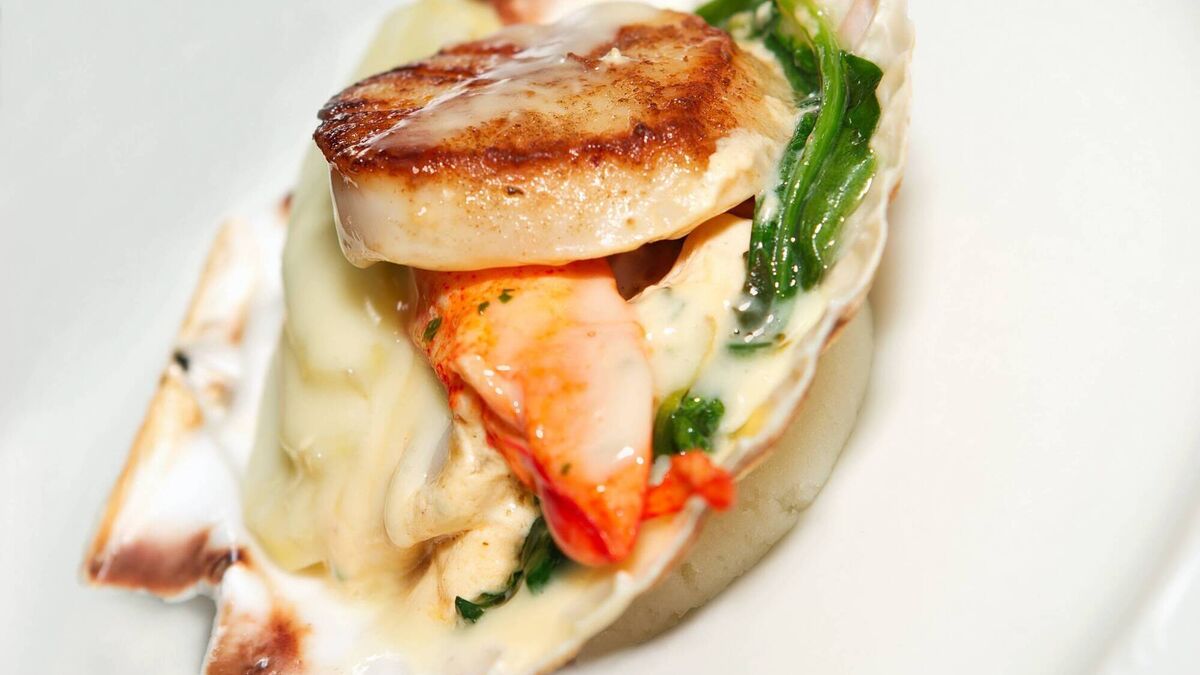
Pan-grilled Scallops with Jerusalem Artichoke Purée
Jerusalem artichokes are wonderfully versatile
Servings
8Preparation Time
10 minsCooking Time
20 minsTotal Time
30 minsCourse
SideIngredients
8 super fresh scallops
sea salt
For the purée
450g Jerusalem artichokes (weighed after peeling)
450g potatoes, scrubbed clean
4 tbsp cream
25g butter
salt and freshly ground black pepper (optional)
To serve
extra virgin olive oil
flakes of sea salt
little sprigs of chervil
Method
First make the artichoke purée.
Cook the artichokes and potatoes separately in boiling salted water until tender and completely cooked through.
Peel the potatoes immediately and place them with the hot artichokes in a food processor. Add the cream and butter and season with salt and freshly ground black pepper. Blend until a silky consistency is achieved. Taste and correct seasoning.
To serve, reheat the artichoke purée if necessary. Heat the pan on a high heat, dry the scallops well, drizzle with extra virgin olive oil and season with a little salt.
Pan-grill the scallops for a few minutes on both sides. Put a generous tablespoon of artichoke purée on each small plate, top each one with a pan-grilled scallop, drizzle with extra virgin and sprinkle each plate with a few flakes of sea salt.
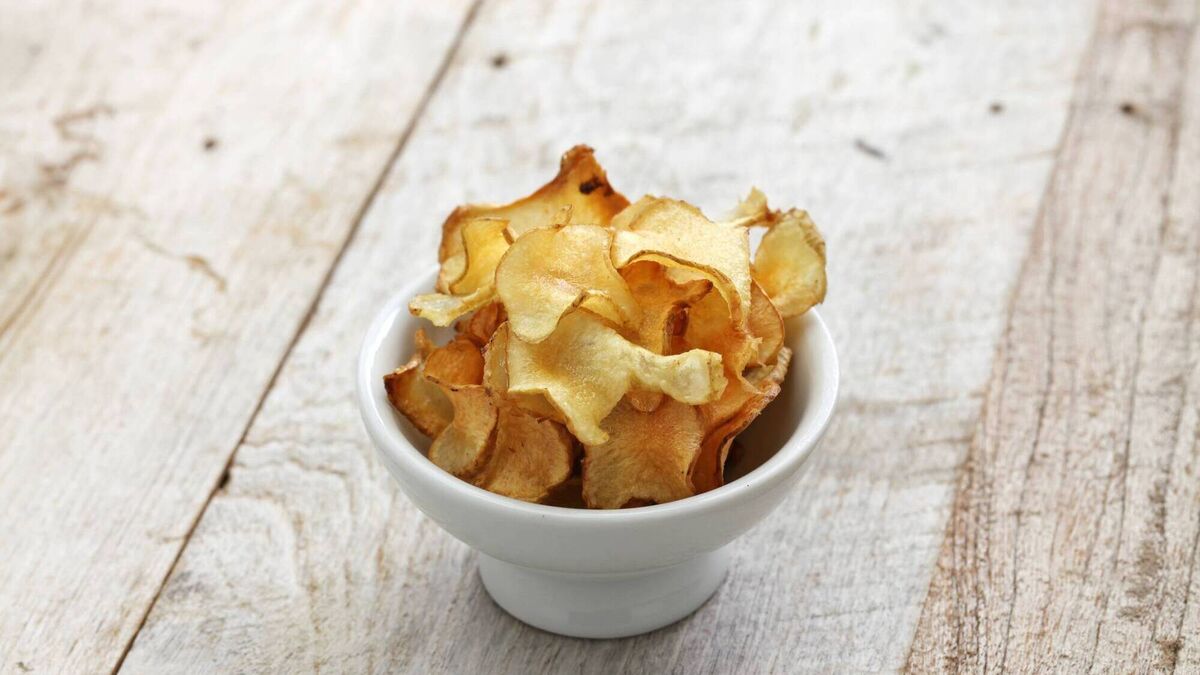
Jerusalem Artichoke Chips
We serve these delicious crisps on warm salads, as a garnish for roast pheasant or guinea fowl and as a topping for parsnip or root vegetable soup. Careful not to have the oil too hot or the crisps will quickly turn and be bitter.
Servings
8Preparation Time
10 minsCooking Time
10 minsTotal Time
20 minsCourse
SideIngredients
3-4 Jerusalem artichokes
sunflower oil
salt
Method
Heat good quality oil in a deep fryer to 150°C.
Scrub the Jerusalem artichokes well and peel if necessary. Slice in wafer thin rounds.
Allow to dry out a little on kitchen paper.
Drop a few at a time into the hot oil. They will colour and crisp up very quickly.
Drain on kitchen paper and sprinkle lightly with salt.
(Series of 10 full days: February to November 2025) at Ballymaloe Organic Farm School in Shanagarry.
This series of one-day courses, from February to November, is designed to teach participants how to grow your own organic produce. The course will be delivered by Klaus Laitenberger, soil expert and renowned educator. Klaus is author of four gardening books: ‘The Self-Sufficient Garden’, ‘Vegetables for the Irish Garden’, ‘Fruit and Vegetables for the Polytunnel and Greenhouse’ and ‘A Vegetable Grower’s Handbook’.
This course, structured across the four seasons, is for those who wish to learn the skills to start and maintain an organic food garden. Best to do the entire course but can be done individually.
This half day course provides step-by-step guidance on how to plan, design and plant a thriving apple orchard. Perfect for beginners and hobbyists, as well as those considering commercial apple production.
The intensive course covers everything from site selection and tree varieties to planting techniques and orchard managementOur tutor Christopher Troy manages his orchards organically and encourages others to adopt these regenerative principals.