Michelle Darmody: How to make my Créme Caramel — and mistakes to avoid
Pic: iStock

Créme caramel is often called flan, although in our house growing up, a flan was a sponge with an indent filled with jelly and fruit.
To make a créme caramel flan you need milk, sugar and eggs, as well as a sweet caramel sauce. The making of the sauce can be the trickiest part.
Heating sugar until it turns a rich amber, but not a dark brown, takes a little patience and a keen eye.
If you move away from the pan it can change very fast and you are back where you started, but with a sticky, sugary mess to clean first.
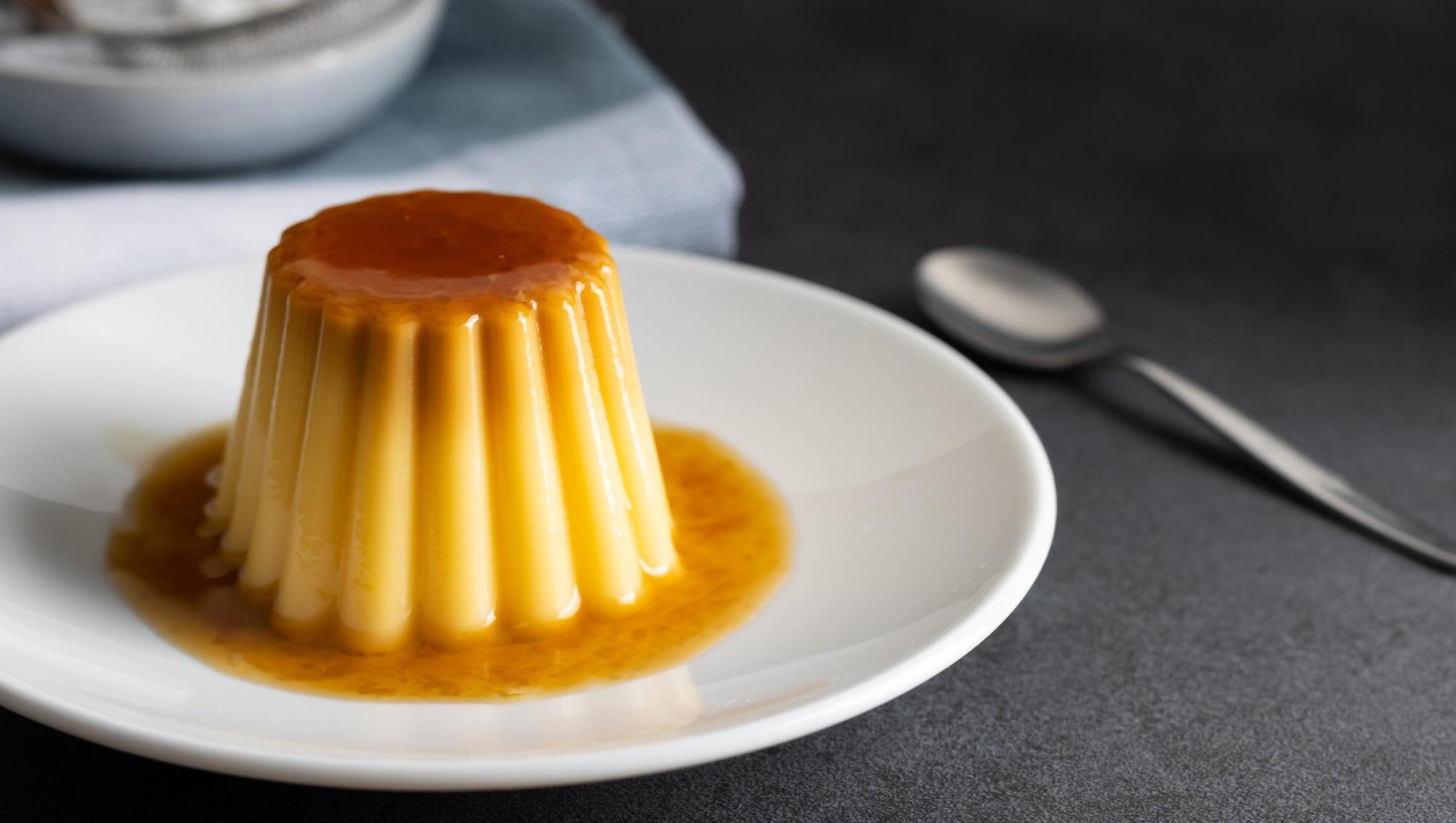
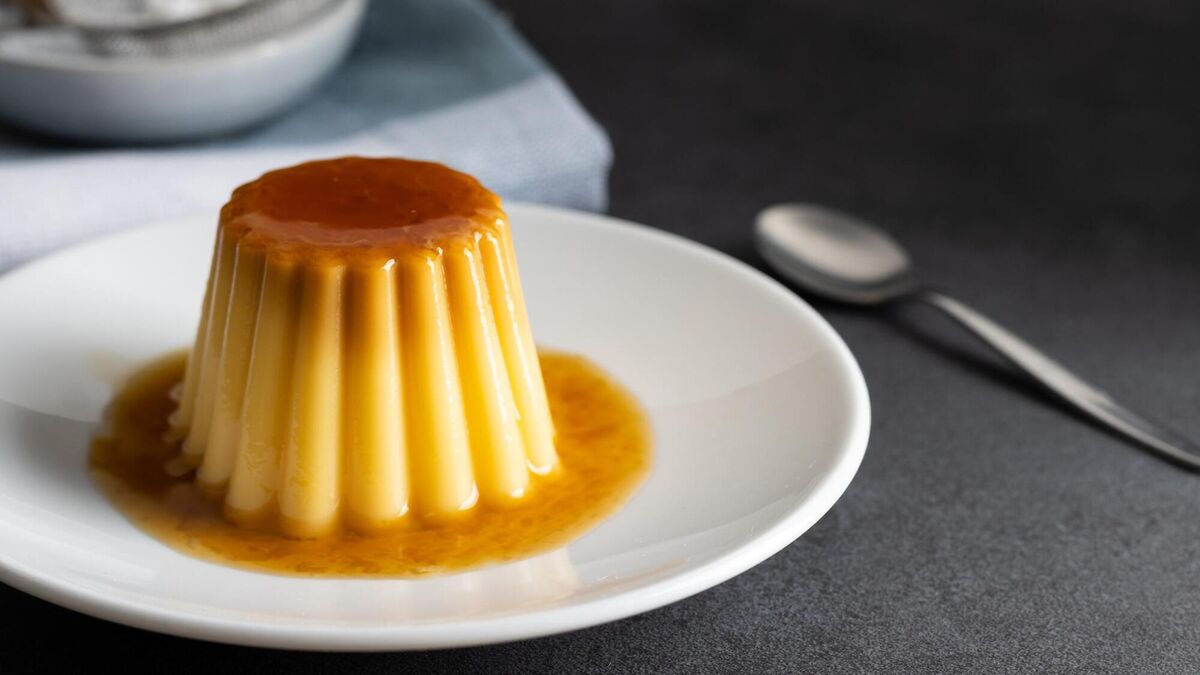
The dessert, consisting of a set custard, turned upside down, so that it is swimming in a pool of golden caramel, has disputed origins.
While the name is French, the French, English, and Spanish all claim ownership of the dish.
The finished custard should have a light wobbliness.
You will need to leave the filled ramekins to chill thoroughly in the fridge, so that the custard firms up.
While the custard is setting the caramel is dissolving and forming a delicious golden liquid.
Créme caramel is generally gluten-free so can be a handy dessert for those who can not tolerate gluten.
Créme Caramel Flan
Créme caramel is generally gluten-free so can be a handy dessert for those who can not tolerate gluten.
Servings
6Preparation Time
25 minsCooking Time
45 minsTotal Time
1 hours 10 minsCourse
BakingIngredients
For the caramel:
50g caster sugar
60g brown sugar
45ml water
For the custard:
590mls of milk
1 tsp vanilla
75g of caster sugar
3 eggs
3 egg yolks
Method
Preheat your oven to 150ºC/gas mark 3 and warm six ramekins in the oven.
Heat the brown sugar and caster sugar and water for the caramel in a heavy saucepan, over a low heat, until the sugar has melted and turned a rich golden colour. Keep a close eye on the sugar as it melts and changes colour.
Swirl it at the base of the four ramekins and set aside to cool. Do not put it in the fridge or it will not harden well.
Place the milk and vanilla into another saucepan and gently heat until it has just started to shiver, then set aside to cool to just above room temperature.
Whisk the eggs, egg yolks and sugar then slowly whisk in the cooled milk.
Pour this on top of the set caramel and now place the ramekins into a deep baking tray. Pour water into the tray so it comes halfway up the ramekins.
Bake for 45 minutes until the custard is set but has a very slight wobble.
Allow to cool, then place into your fridge to firm up.
When turning them out, run a very sharp blade around the inside of the ramekin right down to the base. Place a plate on top and then invert, so that the set custard and caramel is on the plate and you can remove the ramekin.
- I use a heavy based saucepan when melting the sugar. A light pan will heat very quickly, or can heat unevenly, and cause the sugar to burn. The low, slow rise in temperature from a heavier pan allows the sugar to melt evenly without burning.
- Make sure the saucepan is very clean or it could prevent the sugar from melting and cause it to seize up and crystalise. The sugar can react with little flecks and crystalise around them
- No matter what type of saucepan you use it is always important to heat the sugar slowly. Patience is the trick to avoid, not only burning, but it also stops the sugar from crystallising or stiffening up. It can take more than ten minutes.
- If the sugar heats too quickly and starts to simmer when the sugar is still in granules and not dissolved, it can also cause the caramel to crystallise. A good tip is to use a pastry brush and brush any sugar crystals from around the side of the saucepan down into the pan. These can cause an issue if they fall in after the caramelisation has started.
- Do not stir the sugar as it is melting. Let it melt and caramelise before touching it with a spoon. You will know it is caramelised when it turns a deep amber. Keep an eye on it and remove it from heat when you see the amber throughout.
- Caramel hardens fast so it best to pour it into your ramekins pretty soon after you remove it from the heat.
- You will know your custard is cooked to the right consistency when it has set around the edges but still has a bit of a jiggle in the centre when you shake the ramekin.
- Remove the créme caramel from the fridge at latest an hour before you would like to serve it. Then loosen it around the sides with a palette knife. Créme caramel is best served at room temperature for the full flavour.
To make an espresso version, grind about 20 coffee beans, very finely.
Place the milk and ground coffee into a saucepan and gently heat.
Allow it to come to a shiver but not a boil.
Strain it through a very fine sieve or some muslin and use the milk to continue with the recipe.
In place of the teaspoon of vanilla you can add 40g of dark chocolate.
Grate or finely chop the chocolate and stir it into the milk as it is warming then follow the rest of the recipe.
To make the compote to serve with your créme caramel use 500g of cherries, stones removed, 40mls orange juice, 220g golden caster sugar, juice of a quarter lemon, zest of an orange.
Cook the cherries and orange juice for 15 mins, stirring now and again until the fruit is starting to soften.
Add in the sugar, stir until it dissolves, add the lemon juice and zest, then bring back to the boil.
Cook for 15 minutes until the fruit has collapsed a little and the sauce is syrupy, smooth and dark purple.