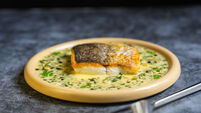
Seafood Made Simple: How to make monkfish with aubergine caponata

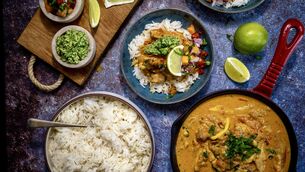
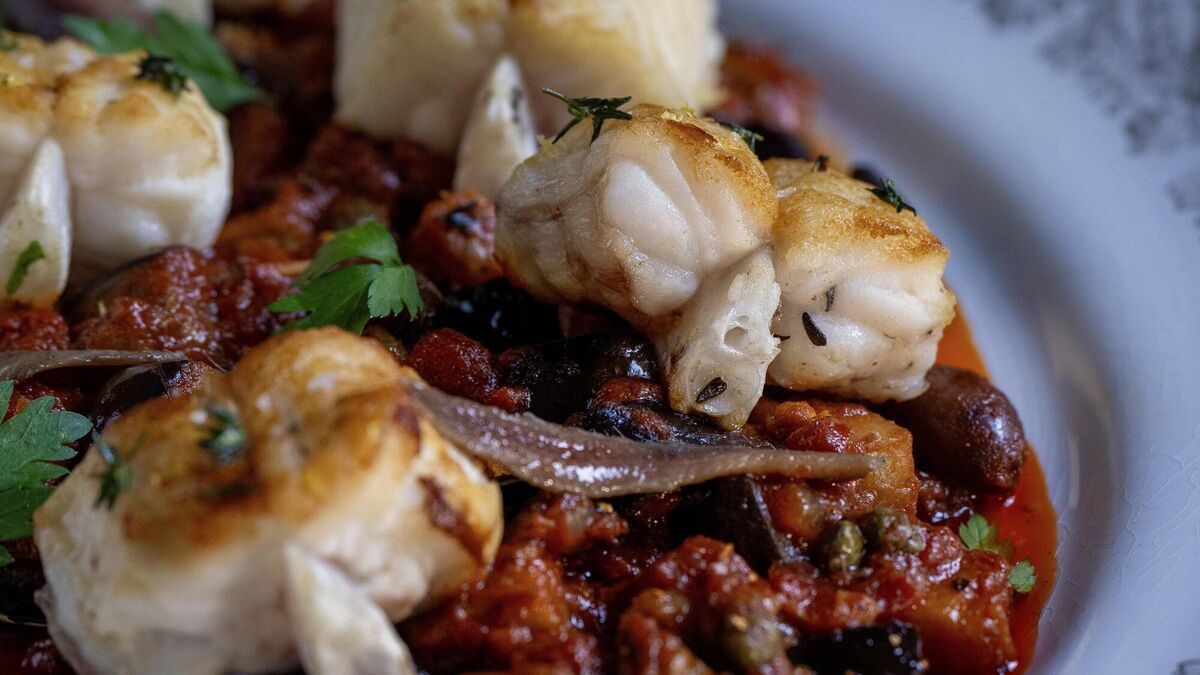
Monkfish Caponata: A versatile recipe this can be served hot as an accompaniment to fish but also works well with lamb, chicken and beef. Picture Chani Anderson
Caponata is a rich southern Italian stew typically made with aubergines and tomatoes.
A versatile recipe, this can be served hot as an accompaniment to fish but also works well with lamb, chicken and beef. It's great too, served cold as one of several antipasti.
For a dish full of umami bombs like black olives, capers and anchovies, I’ve opted to serve this caponata with some chunky pieces of monkfish on the bone to stand up to the robust nature of the stew.
Cooking fish on the bone has plenty of benefits, producing a more flavourful result and aiding the fish in retaining its moisture during cooking.
If you're wary of approaching fish on the bone, not to worry; you could use tails of monkfish off the bone or a lovely fillet of round fish such as hake, cod or pollock.
For an even simpler dinner, cook a couple of kilos of mussels in some white wine and a few tablespoons of the caponata and serve with warm crusty bread.
One-pot dishes like these really do rely on good quality store cupboard essentials. When it comes to anchovies, I'll opt for Cantabrian, or tins with real traceability and clear fishing methods.
For black olives, I’ll always have a jar of brined kalamata olives in the fridge. For oils, a basic olive oil for cooking and a higher calibre extra virgin olive oil that I’ll use more like a condiment for dressing dishes - a little goes a long way.
I recently tried a very special extra virgin olive oil called Sant Angelica, from an organic olive farm owned by Ed & Laura Miller in the Maremma region of Tuscany. Cold pressing and an early harvest make for a delicious rich and complex olive oil, that I’ve been finishing many of my dishes with.
Monkfish with Aubergine Caponata
One-pot dishes like these really do rely on good quality store cupboard essentials.
Servings
4Preparation Time
20 minsCooking Time
40 minsTotal Time
60 minsCourse
MainIngredients
For the monkfish:
Monkfish tail skinned, 680g whole tail or 170 per portion cut into 2 inch chunks
2tb rapeseed oil
Fine sea salt
For the caponata:
2 aubergines cut into 2cm chunks
4tb olive oil
1 onion finely diced
4 cloves garlic finely sliced
1sprig of thyme chopped
6 anchovies chopped
1 sprig of rosemary chopped
2tsp smoked paprika
2tb tomato puree
1x 400g can chopped tomatoes
1 tb capers drained
1 handful of black olives
Sea salt and black pepper to season
Extra virgin olive oil to finish
Method
Place a heavy based pot on medium high heat. Working in batches cook the chunks of aubergine in the 2tb of olive oil until golden brown.
Add the remaining two tablespoon of olive oil to the same saucepan and cook the diced onion, sliced garlic on medium low heat for 4 minutes until softened.
Add the chopped thyme, rosemary and anchovies and cook for 2 minutes.
Next, add the tomato puree and smoked paprika to the pot and cook for 2 minutes.
Add the chopped tomatoes and cook for 10 minutes on medium low heat until reduced.
Reintroduce the already cooked aubergines to the stew, along with the capers and black olives. Mix well and taste before seasoning with sea salt and cracked back pepper.
Set aside and keep warm and drizzle with extra virgin olive oil when serving.
To cook the monkfish:
Pat the monkfish dry with kitchen paper and season with fine sea salt.
Preheat your frying pan of choice on a medium high heat for 2 minutes.
Add the 2tablespoons of rapeseed oil to the preheated pan.
Place the fish in the pan laying the pieces of fish away from you. Allow to cook for 3 minutes on one side undisturbed. Once Golden on one side carefully turn the pieces over and cook on the other side for a further two minutes. If cooking the monkfish on the bone place in a preheated oven at 200 degrees Celsius for a further 3 minutes.
Serve immediately with the caponata.
- Preheating the pan is essential when cooking fish in a frying pan to achieve an even temperature across the full surface area of the pan.
- Allowing the crust of caramelisation to develop evenly is key when pan frying fish making removing the pieces of fish much easier.
- Ask your fish monger to prepare the monkfish skinned and cut into 2-inch chunks on or off the bone.
- If you’re opting to cook your fish off the bone no need to place in the oven, cooking in the pan will suffice for monkfish tails.
- Although not traditional If you’d like to bulk out this stew you could add a tin of cannellini or butterbeans.
- This stew can be made a day ahead and keeps in the fridge for up to three days.