Seafood Made Simple: Savour the flavour of Irish seaweed
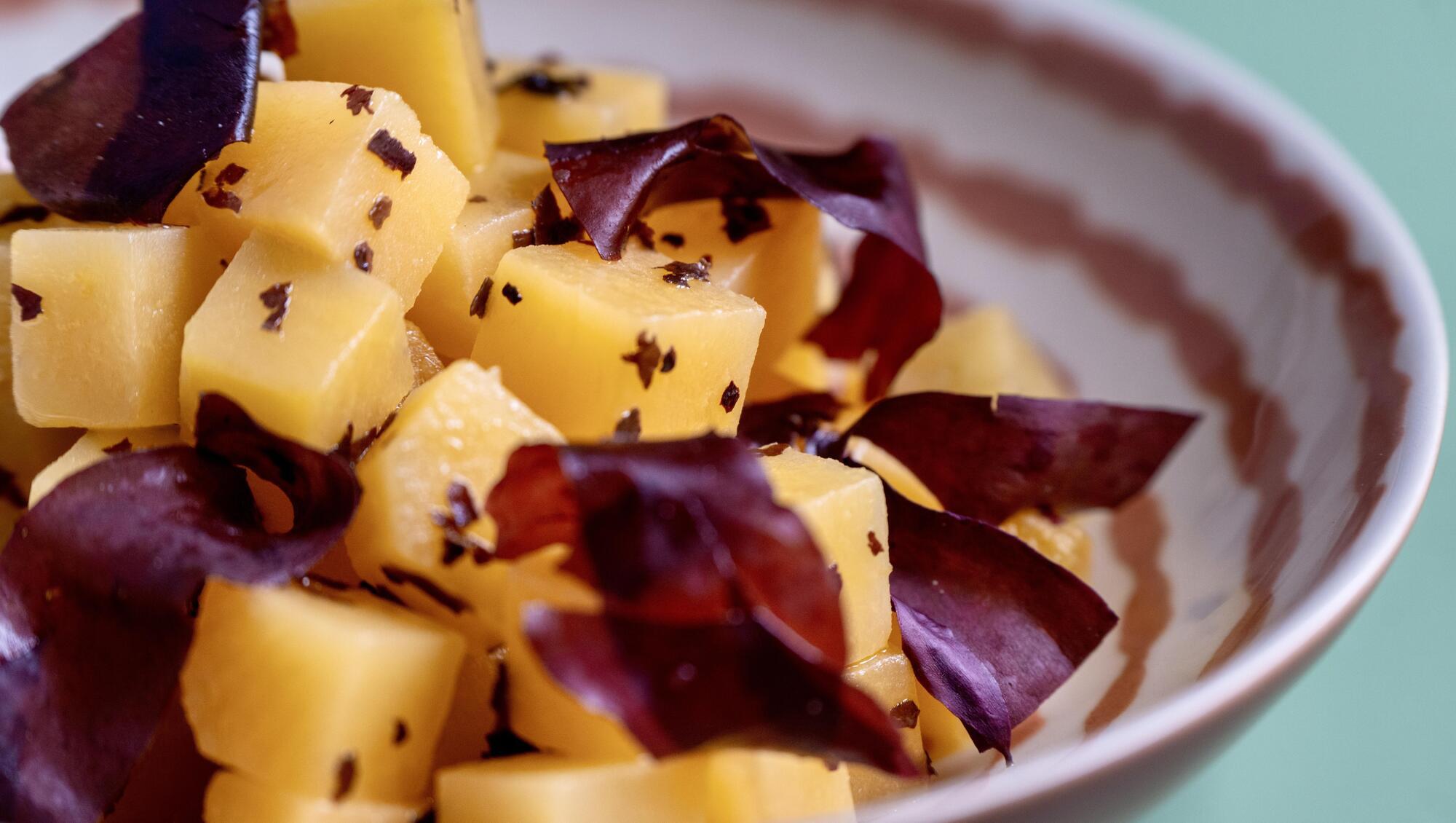
Seaweed & salt-baked swede. Pic: Chani Anderson

Seaweed, an often-forgotten food source that surrounds our island nation has been part of our food culture for centuries.
A once-valued native sea vegetable, nowadays it’s mostly found in cosmetics, fertiliser, biomass for fuel and as a setting agent in some of our favourite jellies.
Seaweed is an important ingredient in my cooking.
Delivering deep umami and meaty flavours to so many dishes, it’s an incredible seasoning for everything from soups to spuds and a fantastic substitute for salt.
- Kombu kelp, most notably used in dashi broth. Adds deep layers of flavour to any stock or sauce.
- Nori or sleabhán, as Gaeilge, is my favourite seaweed to dry and use in seasonings. Nori has a lovely grassiness. This one you’ll recognise as the wrapper for sushi.
- Dillisk, a distinctive purple seaweed that is easily recognisable. It has a delicious nuttiness.
- Carageen moss, the seaweed used all over the world as a setting agent. It’s pescatarian, vegetarian and vegan friendly, for those looking for gelatine substitutes.
- Pepper dulse, a very special variety, also known as sea truffle for its black garlic flavour profile. This seaweed is delicious just picked but retains its flavour well when dried.
This weekend’s recipe is fabulous way to cook root vegetables.
Encased in a seaweed-flavoured salt crust, this method both bakes and steams the vegetable while sealing in all its natural juices.
The savouriness from the seaweed is imparted on the swede whilst cooking.
I’ve used dried dillisk in this recipe but if you can’t get your hands on some seaweed, you can use any woody herb to flavour the dough.
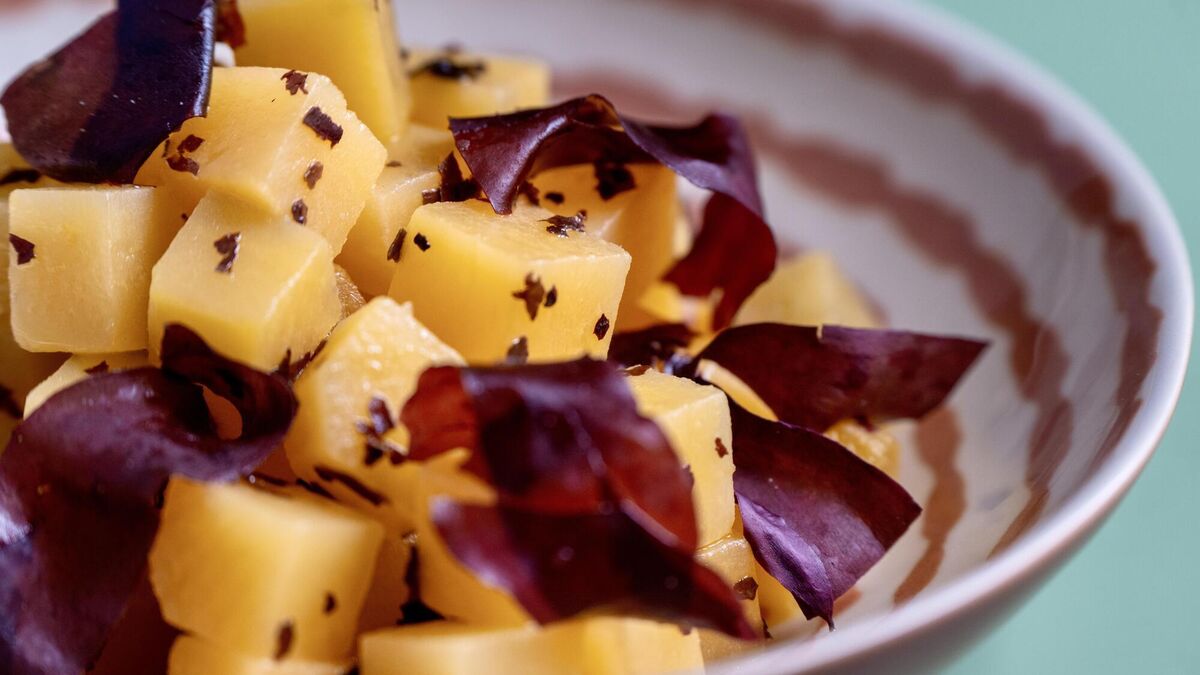
Seaweed & salt baked swede
Encased in a seaweed-flavoured salt crust, this method both bakes and steams the vegetable while sealing in all its natural juices.
Servings
4Preparation Time
25 minsCooking Time
1 hours 30 minsTotal Time
1 hours 55 minsCourse
MainIngredients
1 swede
400g plain flour
250g fine sea salt
2 tsp dried seaweed
5 egg whites
100ml tepid water
40g unsalted butter
Method
Preheat the oven to 180°C.
Wash the swede well under running water, scrub to remove any dirt. Using a sharp knife slice across the base of the swede so it will sit flat on a roasting tray. Pat dry and set aside.
To make the seaweed and salt dough, in a medium sized bowl add the plain flour, fine sea salt and dried seaweed powder. Mix well to combine and distribute the seaweed throughout the flour.
Make a well in the centre of the bowl and add the egg whites and the tepid water. Mix well until the dough comes together.
Divide the dough in half. Place the first half of the dough on a roasting tray and press out using clean hands until the dough is larger than the base of the swede.
Place the swede on top of the base of salt dough on the roasting tray. Press out the remaining piece of salt dough large enough to fully cover the exterior of the swede. You can use a rolling pin if you’d like. I prefer to use my hands to shape and mould the dough around the swede, guaranteeing total surface area coverage.
Place the dough covered swede in the oven and bake for 90 minutes.
Remove from the oven and allow to cool for at least 25 minutes.
Make a little crack in the crust to remove the whole now golden-brown dough surrounding the swede. Discard the dough.
Peel the skin of the swede off and discard. Dice the swede into bite sized chunks before sautéing quickly in the unsalted butter and seasoning with lots of freshly cracked black pepper. You could also slice the swede into big thick wedges to serve as a more substantial part of a meal.
- This dough can be made up to 3 days in advance and freezes well. However, the swede cannot be covered with the dough ahead of time.
- I like to make this dough by hand, but you can use a stand mixer if you’d prefer.
- Be sure to reserve the egg yolks if using whole eggs for this recipe. They can be popped in the freezer for future custards and cakes.
- If using bottled egg whites, which are available in most supermarkets, an egg white weighs 30 grams.
- Make the most of the oven being at 180°C for an hour and a half and get some batch cooking done while the swede is cooking.
- This recipe works well with celeriac, parsnips, beets, carrots and potatoes.