Michelle Darmody: How to bake the classic white loaf — and the mistakes to avoid
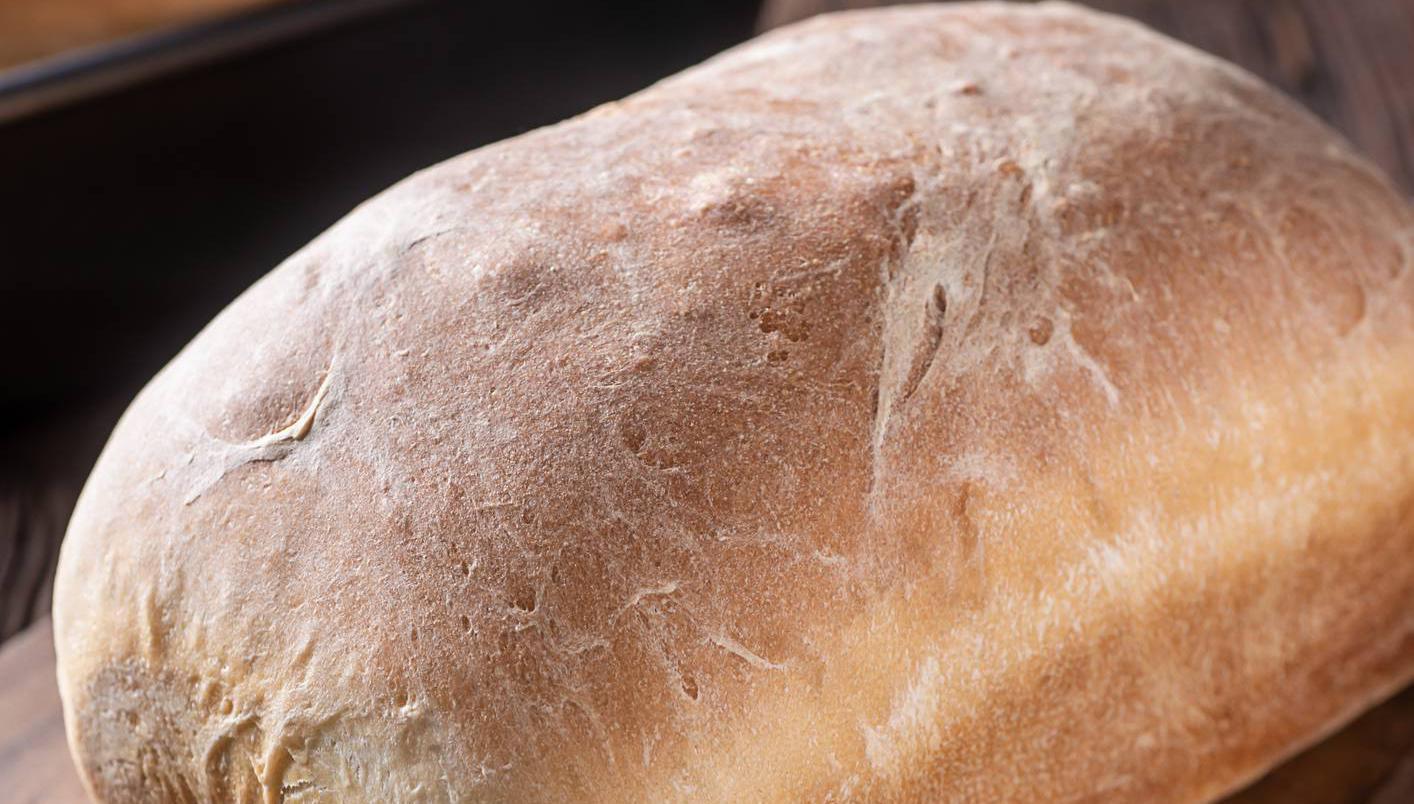
Pic: iStock

The smell of baking bread is one of life's greatest pleasures. Having a just cooled loaf to cut for your lunchtime sandwich is a real treat.
This is quite a solid loaf, there is a weight to it, quite unlike a fluffy focaccia for example. It is good for sandwiches and great for toasting.
The smell of baking bread brings back so many memories for me.
Having worked a large portion of my life in a bakery it reminds me of the quiet mornings before the doors were opened to the public, and the clatter of the day began, but it also reminds me of childhood.
I was lucky enough that my father had an interest in bread baking and very often we would wake to smell a loaf cooling in the kitchen, ready to be devoured by five hungry children.
I like to add a little coarse wholemeal flour to give a bit of texture, but this is mainly a white loaf.
The strong white flour is important in bread baking and is similar to zero-zero flour for making pizza dough.
Both contain quite a bit more gluten than a more common cake baking flour. It is this gluten that allows the dough to stretch and form that wonderfully smooth ball that is so nice to work with.
There is a tactility to bread making that is very soothing and enjoyable. Although if you are doing the kneading by hand, it is also quite a strenuous task. It is not for nothing that bakers have strong arms.
White Bread Loaf
This is quite a solid loaf, there is a weight to it, quite unlike a fluffy focaccia for example. It is good for sandwiches and great for toasting.

Preparation Time
1 hours 20 minsCooking Time
25 minsTotal Time
1 hours 45 minsCourse
BakingIngredients
400g strong white flour
50g coarse whole meal flour
1 tsp fine sea salt
1 tsp golden caster sugar
20g fresh yeast
300ml warm water
Method
If you have a mixer with a dough hook place all of your ingredients into it. Turn it on to the slowest setting until the flour is combined. Then turn your mixer to a medium setting and allow it to knead the dough for twelve minutes. You can do this step by hand as well by adding a very thin coating of oil to a clean surface and kneading the dough by hand for the same amount of time. After twelve minutes the dough should form a smooth ball.
Place the ball of dough into a large, slightly oiled bowl and cover the top of the bowl with a damp tea towel.
Place the covered bowl in a warm place until it has doubled in size. This will take about an hour.
Lightly oil a 2lb loaf tin and preheat your oven to 210ºC/gas mark 6.
Remove the dough from the bowl and place it on a lightly oiled surface. Knead it softly to remove any large air bubbles then shape it into a tight loaf shape the length of your tin.
Place the shaped dough into the tin and let it proof and slightly rise for 15 minutes
Bake for 25 minutes. The top should be golden, and the base will sound hollow when you tap it.
Take the loaf out of the tin as soon as it is cool enough to handle and allow it to cool on a wire rack.
Yeast can be a tricky ingredient. It is important to store fresh yeast properly, it needs to be kept in the fridge. Also make sure it is in date as its potency will wane if it gets too old. You can freeze fresh yeast. I divide it into small portions before I do so I can take it out the freezer bit by bit then defrost it before use.
I use a light sunflower oil on the bowl and surfaces when oiling as there it has very little flavour. A light rapeseed or very light olive oil would also work, but might give the loaf a slight savoury edge, which may not work as well with jam or other sweet toppings.
It is important to add salt to the bread. You do not taste it as such, but it brings out all of the other flavours. If omitted the bread will taste quite flat.
When you are letting your dough prove make sure there are no drafts which will keep the dough cool and stop it rising. Neither do you want the room to be too warm and dry or a crust will begin to form on the ball of dough. About 27 degrees is a good temperature.
The damp tea towel will also help prevent a crust from forming on the dough, stopping it from rising to its full potential. The towel should cover the bowl but not touch the dough.
You can add any selection of seeds you like to the dough. It is best to do this before the long prove, towards the end of the twelve minutes. I like the addition of pumpkin and sunflower seeds and would recommend adding 40g of each. Sesame seeds are also a lovely addition, in fact I often add 80g of these on their own rather than combined with other seeds.
Caraway seeds help with digestion as well as adding flavour. They are quite strong so 1tsp of them will probably suffice but if you love the taste feel free to add more. I add these towards the end of the twelve minutes of kneading time.
Add 1tsp of ground cinnamon to the dough along with 75g of plump raisins. I add these towards the end of the twelve minutes of kneading time.