How to make traditional tea and scones — and why mismatched plates are okay
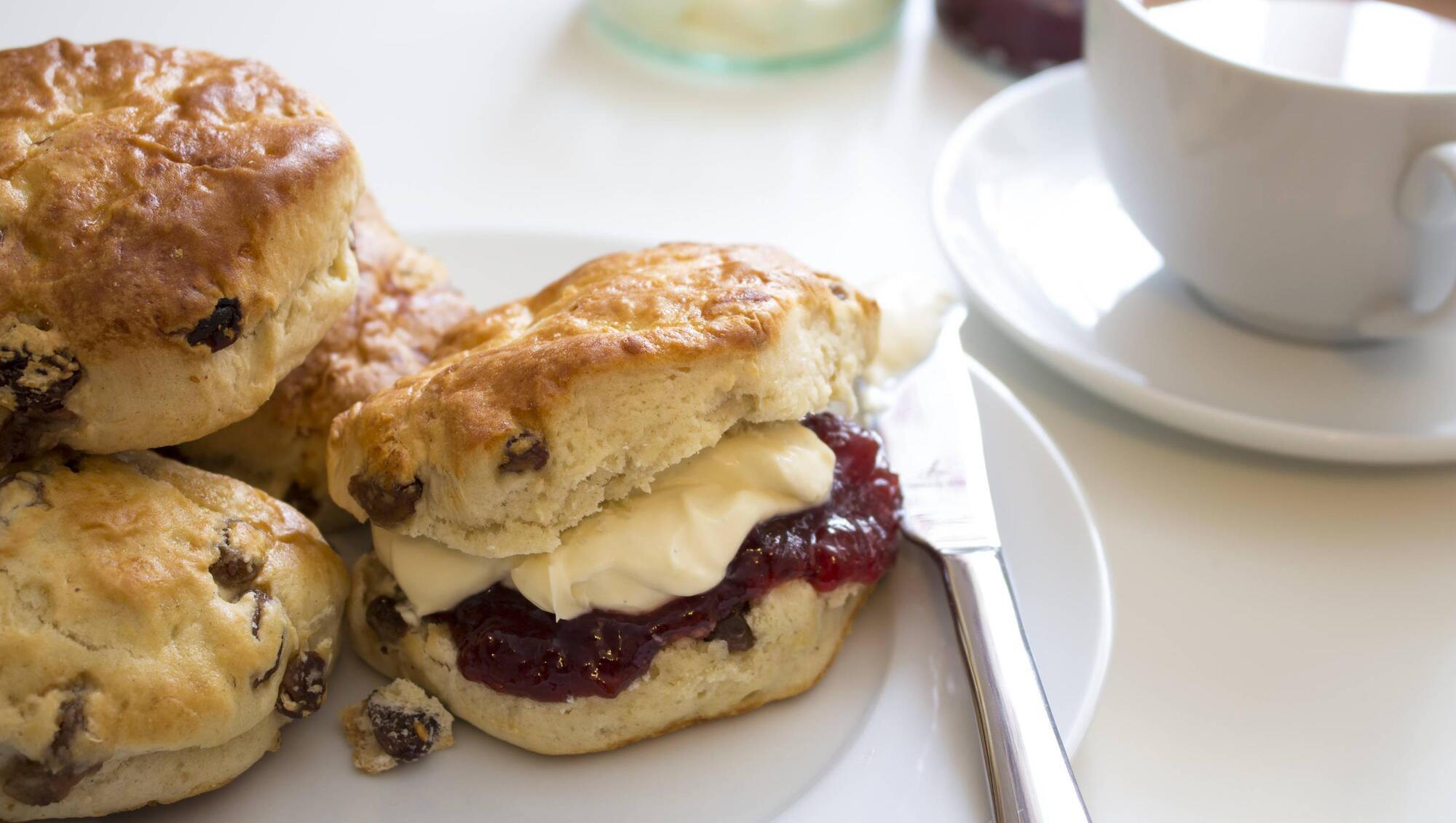
Caitríona Redmond's trusty tea and scones
Do you have a fully matching dinner/tea seat, or do you have a jumble of whatever is still in one piece?
I like the concept of having everything neatly matching and laid out on the table. The operational word is concept, because I don’t think I will ever achieve it.
I just need a plate to hold food, or maybe some stuff. It needs a lip so that sauces won’t slide off the plate onto the table. That’s it, nothing complicated.
To be fair, many, many moons ago we did receive a generous gift of a dinner set for a wedding present, but that time has long passed. Some of the plates survived, many didn’t, and that’s okay with me.
Every single plate in my press has a character. Sure, they are mismatched but after all, they are just plates. If one plate doesn’t match with another on the table, it still carries out its function admirably, providing it’s not broken.
I have two pasta plates in a beautiful blue cornflower pattern. The rest cracked or got dropped. These things happen in hardwearing households.
The plates came from my grandmother’s house, and I remember her every time I eat from them. I remember feeling loved as she spooned parsley sauce over the ham, the gentle chatter at the table, and the smell of baking from her gas oven.
There’s a knife in the drawer with a melamine handle that was melted on a gas hob at some point years ago. I realise I’m kind of dating it with the description of the handle and I guess it was made in the 80’s.
My husband insists on having it in the house, he took it from his own grandmothers after she died and remembers her brandishing it with gusto in the kitchen when making apple tarts.
It takes a large investment to buy and maintain a matching kitchen kit and it’s all part of the hidden cost of running a home. Charity shops help me keep on top of this additional cost from time to time and I can maintain the mismatched jumble of plates and mugs.
Browsing in charity shops I often wonder what journey the mismatched tea sets and plates have taken to land on the shelves. Who did they serve and who ate from them?
When it comes to buying food, I try to apply the same frame of mind. Does the food taste good or can it be prepared and cooked to taste better? Do I need to buy a full pack of tomatoes or apples or will 1 fit the task at hand.
These days I buy in increments more often than purchasing in bulk. It’s all part of curating a more considered shopping list and kitchen stores, based upon needs not wants.
I’m a food marketer’s nightmare and maybe that’s right where I need to be to save money at home.
I’m in the middle of tomato season and finally, we have a glut of tomatoes for preparing and storing into the Winter. Did you know that tomatoes shouldn’t be stored in the fridge?
They’re best kept on the countertop at room temperature, just like a banana. This allows the tomato flavour to develop, and they will taste better. Refrigerating a tomato will eliminate flavour notes and while it might last for longer, it certainly won’t taste as good.
Speaking of bananas, if you want them to last longer and reduce the number of fruit flies lingering in the house, increase the circulation around a bunch of bananas.
You can do this by hanging the bananas on a hook. With less pressure points, the banana will ripen naturally and not be as blackened. Bonus points for the rest of the fruit in your fruit bowl lasting for longer once the bananas are set apart.
If you’re looking for fruit that will last for weeks in the fridge then stock up on apples and pears. Both of which benefit from a little cold spell and can then develop an extra crisp texture.
The time-tested favourite. Servings Preparation Time Cooking Time Total Time Course Ingredients 75g raisins 1 cup of tea 450g plain flour (plus extra for dusting) 1 tsp baking soda 50g caster sugar 50g melted butter 2 eggs (plus 1 extra for glazing) 300-400ml buttermilk Method First make a cup of tea! Pour the tea over the raisins and set to one side. Preheat a fan oven to 180°C. Line a baking tray with greaseproof paper. Weigh out the flour, baking soda and sugar into a large bowl. Using a fork, mix melted butter, then pour in the buttermilk and 2 eggs and mix again. Finally drain off the tea and mix in the soaked fruit to get a dough. Try not to work it too much. Transfer the dough onto a clean board, dusted with flour, flatten it to about 4-5cm in depth and cut out scones. Transfer the scones to the baking tray. Brush the top of the scones with a beaten egg and a little bit of extra caster sugar. Bake in the oven for 25-35 minutes, cool for a few minutes on a wire rack and serve with butter and jam.Tea & Scones
Read More