Seafood Made Simple: Sides and sauces for great fishy dishes
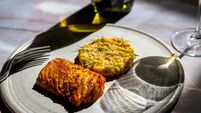
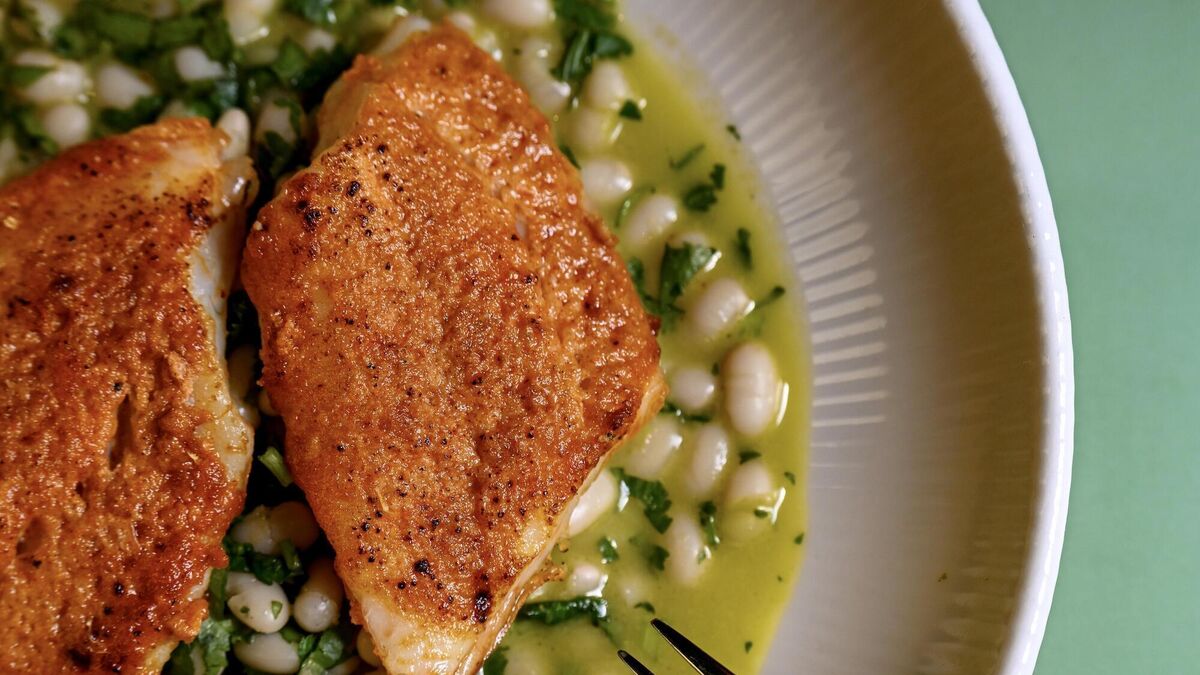
Turbot with Romesco butter & baked cannellini beans. Picture: Chani Anderson

Building up a repertoire of delicious sauces and sides that work with a multitude of fish species has been key for us at Goldie.
We rely on a larder of stocks, sauces, sides and vegetables to allow us deliver consistency and quality whilst operating with an ever-changing menu reflecting what’s landed and available.
There are certain sauces that work so well with flat and round fish that can work interchangeably over the course of an evening or even a four-day week.
Other species, particularly oily varieties like red mullet, gurnard and mackerel, often require a different approach.
Almost five years on we’ve developed a blueprint for our application and use of each species; what works best from a flavour perspective, how we can utilise the most of each fish and how that can support the whole ensemble of the menu.
Pulses and grains are much of what I eat most at home. Batch cooking beans, lentils and peas give so many quick options for soups, stews, dips, salads and my favourite food group “things to put on bread”.
I believe that oven-baking pulses provides much better results than simmering away on a stove top: the heat is more evenly distributed, and less attention is needed during the cooking process. Soaking the beans overnight rehydrates them making them easier to digest and more tender.
This requires a little forward planning, but I think it’s more than worth the effort. The process of this cannellini bean recipe also works for dried chickpeas and haricot, pinto and butter beans.
This weekend’s recipes are more about the accompaniments than the seafood to provide flexible flavoursome options no matter the species.
My hope is that armed with these recipes you’ll feel a little more confident when faced with the fish counter at the market or the mongers.
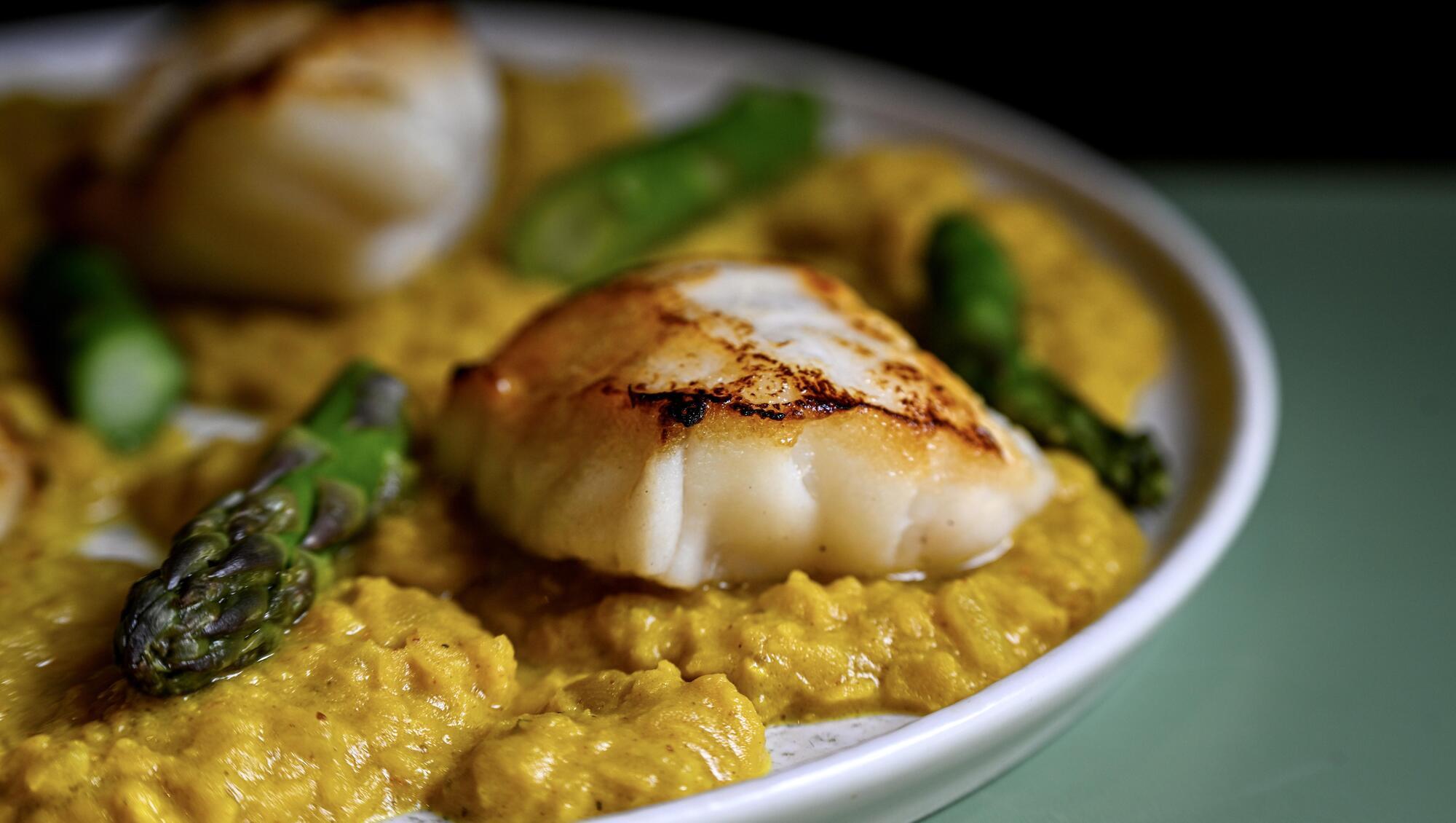
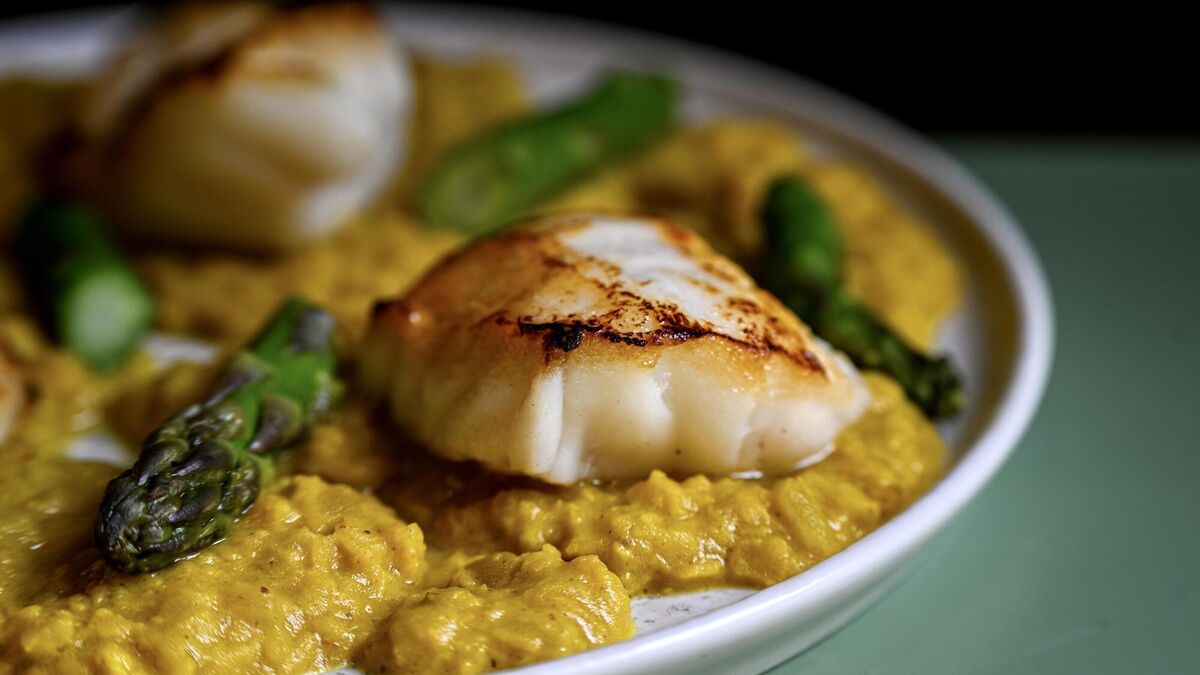
A handy little coconut red split lentil dhal that I’ve served here with monkfish but would work with plaice, megrim, hake, pollock, dory, haddock, brill and sole.
This romesco-inspired compound butter made with sunflower seeds rather than almonds can be dolloped on top of just about any fish but also proves a suitable dressing for steamed, boiled or grilled vegetables.
The oven-baked dish of savoury cannellini beans - which are utterly comforting and gratifying – are a nod to the tinned beans that were often the support act to the fish fingers I consumed as a child.
Turbot with Romesco butter & baked cannellini beans
The oven-baked dish of savoury cannellini beans - which are utterly comforting and gratifying – are a nod to the tinned beans that were often the support act to the fish fingers I consumed as a child.
Servings
4Course
MainIngredients
8 x 50-60g (or 4 x 100-110g) fillets of skinned turbot (or any flat fish)
For the Romesco butter - makes 300g:
200g salted butter at room temperature
80g sunflower seeds
1 tomato
1 tbsp olive oil
1 small red onion
4 cloves garlic
2 sprigs of thyme
Zest of 1 lemon
1 tsp honey
1 tsp smoked paprika
Black pepper
For the baked Cannellini beans - serves 4:
250g dried cannellini beans
2 tbsp olive oil
1 small bulb garlic
2 sprigs of thyme
2 sprigs of rosemary
1 bay leaf
To serve
1 lemon
1 bunch flat leaf parsley, chopped
1 tbsp olive oil
Method
For the Romesco butter:
Remove the outer skin of the red onion. Slice the red onion and tomato in half and place along with the garlic cloves and thyme on a small roasting tray. Toss in olive oil and season with sea salt. Place in a preheated oven at 175C and roast for 15 minutes.
Remove from the heat and allow to cool.
While the onion, tomato and garlic are roasting toast the sunflower seeds in a dry pan on a medium high heat for 4 minutes tossing regularly. Remove from the pan and allow too cool.# Once all the sunflower seeds and tomato, red onion and garlic mixture have cooled place in a small bowl along with the lemon zest, smoked paprika, honey and freshly cracked black pepper blend using a handheld blender or blitz in a food processor until a paste is formed.
Dice the room temperature butter and add to the paste. Blend or pulse to emulsify.
Using a spatula place the flavoured butter onto parchment paper and shape into a log.
This butter will keep in the fridge for 7 days and frozen for 6 weeks.
For the turbot fillets:
To cook the turbot fillets, smear the romesco butter across the surface of the fillets to cover. You’ll need about a tsp and a half per fillet.
Grease a baking tray lightly with vegetable oil and place the buttered fillets on top.
Bake in a 220C preheated oven for 6 – 8minutes.
For the cannellini beans:
Soak the beans overnight in 1 litre of boiling (or at least 10 hours before you plan on cooking) in a large bowl.
Strain the soaked beans and rinse well under cool running water in a colander.
Grease a large pot or Dutch oven with the olive oil and place the rinsed beans, garlic bulb, herbs and bay leaf inside. Top up with 1.1l of boiling water and season generously with sea salt and place a tight-fitting lid on.
Bake in a 175C preheated oven for 1 hour 45 minutes. Checking after one hour as cooking time can differ depending on the beans.
Remove from the oven discard the stalks of the herbs and bay leaf. Press the garlic out of the bulb and mix with the chopped parsley, lemon juice and olive oil. Add this mixture back into the beans to serve.
Coconut dhal with pan-roasted monkfish
A handy little coconut red split lentil dhal that I’ve served here with monkfish but would work with plaice, megrim, hake, pollock, dory, haddock, brill and sole.
Servings
4Preparation Time
30 minsCooking Time
25 minsTotal Time
55 minsCourse
MainIngredients
1 onion diced
4 cloves garlic. sliced
1 thumb size piece of ginger. diced2 tbsp vegetable oil or ghee
1 tsp madras curry powder1/2tsp turmeric powder
1/4 tsp chilli powder
250g red split lentils
1 x 400ml can of coconut milk
350ml fish stock (a light chicken or veg stock works well too)
400g monkfish tails, cut into 3-inch pieces (remove from the fridge 15 minutes before cooking)
2 tbsp vegetable oil
fine sea salt
Method
In a medium sized heavy based pot add the vegetable oil or ghee and sweat the onion, garlic and ginger on medium low heat for 5 minutes. Season with sea salt.
Add the spices and cook for 1 minute before adding the lentils. Stir to coat the lentils in the oil and spices.
Add the coconut milk and stock and bring to the boil before reducing to a medium low heat and cooking for 12 minutes stirring regularly.
To cook the monkfish remove your fish from the fridge 15 minutes before you are intending on cooking. The fish should always be the final component of the dish cooked.
Place on a tray, pat dry any excess moisture with some kitchen paper and season with fine sea salt.
Begin by preheating your frying pan of choice (my preference is a carbon steel pan) on a medium high heat for 2 minutes. This will depend on your appliance. The goal here is to achieve an even temperature across the full surface area of the pan.
Add 2 tbsp of a high smoke point flavourless oil to the preheated pan, I use vegetable oil.
Allow the pan to come back up to temperature as the oil will cause the pan to cool slightly, this will take no more than 20 seconds.
Place the fish in the pan laying the pieces down and away from you, to avoid oil splatters. Once the fish is in the pan do not disturb the fish or move the pan. Allow the crust of caramelisation to develop evenly this will make removing the monkfish easier. Cook on one side for 3 minutes before turning and cooking for a further 1 minute. Remove from the pan and allow the monkfish to rest for 1 minute before serving.
Serve with the coconut dhal and whatever green vegetables you have available.
If you’re using the romesco compound butter for a round fish which are typically thicker than a flat fish bake for 10- 12 minutes at the same temperature.
For pan frying the monkfish ensurie the fish you are cooking is free from excess moisture. This is the most vital factor to consider when cooking fish particularly but when pan frying.
Make sure you’re using a pan that’s large enough for the number of portions you’re cooking. Avoid overcrowding the pan, each addition to a cooking surface reduces the temperature of the pan. Work in batches if needs be.
Monkfish has two layers of skin covering the tail, the outer darker skin which is inedible and the lighter skin underneath. I prefer to remove the lighter second layer of skin as it can cause the fish to curl when cooking. A very sharp knife is needed for this.