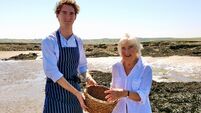
Derval O'Rourke: How to make my baked hake and smashed spuds

Plus: the importance of a good night's sleep - and how to get one
Derval O'Rourke: How to make my baked hake and smashed spuds

Derval O'Rourke's baked hake

What is a good night’s sleep?

I recently spent a night tossing and turning - you know, the nights where you feel like you have a huge amount to do and have no way of switching your brain off? 

The next day I decided to look at my watch and see how it tracked my sleep. I’ve been tracking my sleep for more than 20 years, it’s one of the factors that has a massive impact on how I’m feeling. 

The watch confirmed what I already knew - that I had a terrible night’s sleep. This got me thinking about what actually constitutes a good night’s sleep. 

When you are thinking of getting a good night’s sleep, try to think about what that actually is, and how it is broken down. 

Sleep occurs in cycles made up of different stages, each serving specific functions for the body and mind. 

Rather than just thinking about how many hours of sleep you get each night it is worth thinking of the stages of sleep you are getting. These stages of sleep and the time spent in them have an impact on how you feel.

According to research from The Sleep Foundation, there are 3 stages of the sleep cycle. These are important because each phase has a purpose and impact. 

Stage 1 is when a person first falls asleep. It is easy to wake a person up during this phase but if left undisturbed they will move into stage 2. 

This stage can be one that is tricky if you struggle to fall asleep, and it is worth looking at what impacts you in this phase. I’m personally impacted in this stage by caffeine, too much screen time and stress.

In this next phase, stage 2, the body enters a more subdued state including a drop in temperature, relaxed muscles and slowed breathing and heart rate. 

Stage 2 sleep can last for 10 to 25 minutes during the first sleep cycle, and each stage 2 can become longer during the night. A person typically spends about half their sleep time in stage 2 sleep.

The final phase is stage 3 sleep, also known as deep sleep, and it is harder to wake someone up if they are in this phase. 

Muscle tone, pulse, and breathing rate decrease as the body relaxes even further. Experts believe that this stage is critical to restorative sleep, allowing for bodily recovery and growth. 

You spend the most time in deep sleep during the first half of the night. During the early sleep cycles, deep sleep stages commonly last for 20 to 40 minutes. 

As you continue sleeping, these stages get shorter, and more time gets spent in REM sleep instead.

It’s worth considering your own life and what might be impacting the different phases of sleep. You might have small children who are waking every night, or you may be going through something else that affects your sleep.

A big element of the sleep picture is that we are all individuals. I pay attention to my own sleep patterns and how I feel during the day. I monitor it with my watch, a Garmin Forerunner. 

Feeling good waking up depends on the quality of sleep, including time spent in various sleep stages. 

If you feel refreshed and alert after a night's sleep, it suggests that you are likely getting an adequate amount of sleep for you in each stage.

If you are concerned about sleep or feel tired despite what feels like ‘enough’ sleep, it is worth talking to a healthcare professional. 

They can help with sleep patterns, identify potential issues, and provide guidance on improving overall sleep quality.

Pic: iStock
Pic: iStock

  • Wellness Tip: If you wear a watch that has tracking functionality, monitor your sleep patterns over a period of 4 weeks and see if it surprises you.
  • Fitness Tip: Exercise plays a part in sleeping well. Next time you are struggling with fitness motivation remember it will help you sleep.

Baked Hake & Smashed Spuds

recipe by:Derval O'Rourke

A winter-warmer fish dish.

Baked Hake & Smashed Spuds

Servings

4

Preparation Time

15 mins

Cooking Time

45 mins

Total Time

60 mins

Course

Main

Ingredients

  • 4 x 100g hake fillets, skinned and pin-boned

  • olive oil

  • salt and pepper

  • juice of 1 lime

  • handful of chopped fresh chives

  • 600g baby potatoes, unpeeled

Method

  1. Preheat the oven to 180°C/350°F/gas 4. Line a baking tin with foil.

  2. Place the hake fillets on the prepared tin. Lightly coat them with olive oil and season generously. Drizzle over the lime juice and sprinkle over the chives. Cover the fillets with foil and set aside.

  3. Boil the potatoes in salted water for 10–15 minutes, until tender. Drain well, then spread them out on a large roasting tin. Use the back of a fork or a rolling pin to smash the potatoes so that they are flattened and broken up (but not mashed). Season the smashed potatoes and give them a generous drizzle of olive oil.

  4. Bake the hake and potatoes for 20–30 minutes, until piping hot and cooked through.

  5. Divide the cooked hake between warmed serving plates and serve with the smashed potatoes and a side of salad or vegetables.

x

More in this section

Cookie Policy Privacy Policy Brand Safety FAQ Help Contact Us Terms and Conditions

© Examiner Echo Group Limited