Colm O'Gorman: This is the best lasagne recipe to make and it is worth the effort
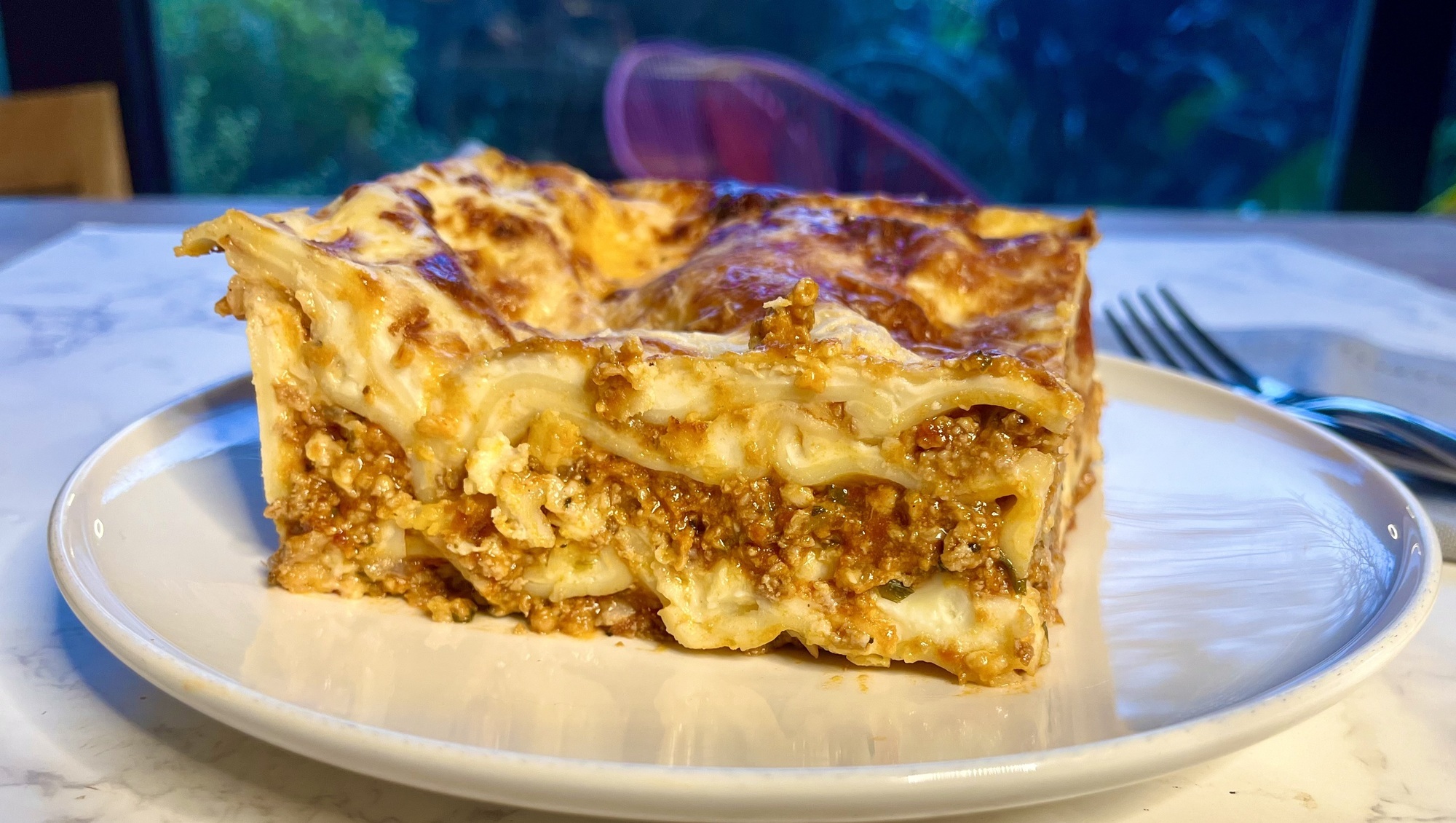

A regular reader asked me a while back to feature a recipe for lasagne in this column. A simple enough a request you might think, after all lasagne is relatively straightforward, but I decided to do a bit of research and see if I could come up with the best possible recipe. This new recipe is the result, and I have to say, I am delighted with it.
Ever since I first tasted Antonio Carluccio’s lasagne at one of his restaurants more than 20 years ago, I have been making this dish with a mixture of beef and pork. The pork adds bags more flavour than using just beef, but I have switched that up another gear for this new recipe by using pork sausage.
Some lasagne recipes use sweet Italian sausage, but as that can be difficult to source here in Ireland, I decided to use high-quality pork sausages instead, along with some of the herbs and spices used to make sweet Italian sausage. This worked a treat. The fennel in particular adds a beautiful depth of flavour to this dish. Use whole fennel seeds and lightly crush them in a mortar and pestle before you add them to the sauce.
Use sausages with at least an 85% meat content. Remove them from the skins and break up the sausage meat a little before cooking them. This recipe uses a mixture of mozzarella and parmesan cheese. Make sure to use firm mozzarella; it is readily available in most supermarkets.
This lasagne does take some time to make, but it is very much worth the effort. It also freezes well, so the time spent can deliver more than one meal. Plus, it is a lovely dish to cook, the perfect way to spend a rainy Saturday afternoon perhaps.
Lasagne
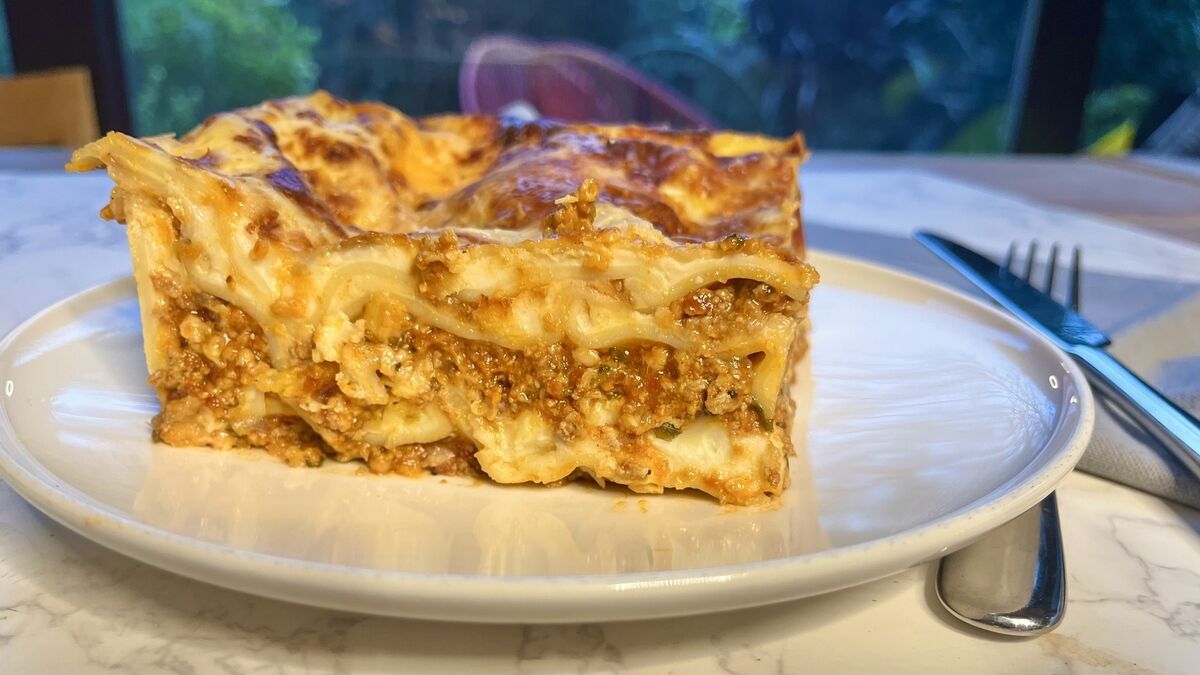
Pork adds bags more flavour than using just beef, but I have switched that up another gear for this new recipe.
Servings
8Preparation Time
30 minsCooking Time
2 hours 5 minsTotal Time
2 hours 35 minsCourse
MainIngredients
Bechamel Sauce
1 litre milk
1 medium onion
3 cloves
2 bay leaves
75g butter
75g plain flour
Salt
Black pepper
Grated nutmeg
Meat Sauce
1 large onion
3 cloves garlic
3 tbsp olive oil
450g good quality pork sausages
500g lean minced beef
3 tsp fennel seeds
1 tsp sweet paprika
2 tsp dried basil
1 tsp oregano
25g fresh parsley
3 tbsp tomato puree
2 tins chopped tomatoes
1 tsp salt
A good grind of black pepper
1 tbsp caster sugar
To assemble the lasagne
12 sheets dried lasagne
250g firm mozzarella cheese
125g parmesan cheese
Method
First, get started on the béchamel sauce. Put the milk, onion, bay leaves and cloves into a large saucepan and bring very gently to a soft boil. Turn off the heat and set aside for one hour to infuse while you get started with the meat sauce.
Peel and finely chop the onion. Peel and mince the garlic. Heat the olive oil in a large pan over a medium heat. Add the onion and cook for a few minutes until it begins to soften. Add the garlic and cook for another minute. Add the sausage meat and the minced beef, stirring well to break up the meat, and cook until it has browned, about five to six minutes. Add the fennel, sweet paprika, dried basil and oregano and half of the fresh parsley, finely chopped, then stir in the tomato puree.
Add the chopped tomatoes, the salt, a good grind of black pepper, and the sugar. Bring the pot to the boil, then reduce to a simmer. Pop on the saucepan lid and simmer covered for one hour and fifteen minutes. You can pretty much leave this alone to cook now and get on with something else, it will need no more than perhaps an occasional stir.
When the meat sauce has about twenty minutes left to go, finish making the bechamel. Strain the milk to remove the onion, cloves, and bay leaves. Rinse the pan, pop it back on the heat and melt the butter until it begins to foam. Using a wooden spoon, stir in the flour and cook it for two minutes, stirring all the time. Now add the infused milk back into the pan, a little at a time and stirring as you go. As the milk reheats, the flour and butter base will melt into the liquid and the sauce will begin to thicken. Bring to a gentle simmer, stirring constantly. If you spot lumps as the sauce gets close to boiling, give it a quick whisk. Let the sauce simmer gently for a few minutes until thickened and then season with salt pepper and some freshly grated nutmeg. Remove from the heat and set aside.
Preheat your oven to 180 Celsius while you assemble the lasagne.
Chop the remaining parsley and add that to the meat sauce. Taste and add more seasoning if required. Grate the mozzarella and the parmesan.
Spread a ladle of the meat sauce over the base of a baking dish. Use a dish that is roughly 30x25cm and about 8cm deep. Next, add a single layer of dried pasta sheets. You may need to snap some of them to fit the pan. Ladle some bechamel over the pasta, spreading it out to fully cover the lasagne sheets. Sprinkle over a little of the grated mozzarella and parmesan.
Add two more layers of pasta, bechamel, meat sauce and cheese. Finally, complete your lasagne with one more layer of pasta, the last of the bechamel sauce and all the remaining grated cheese.
Loosely cover the dish with foil, making sure it does not touch the cheese to avoid it sticking. Bake for twenty-five minutes, before removing the foil and baking for a further twenty-five minutes until the cheese is bubbling and golden on top. Remove the tray from the oven and let the lasagne rest for about twenty minutes before you serve.