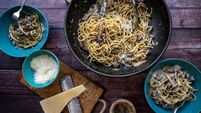
Darina Allen: My favorite recipes from rising pastry chef Natasha Pickowicz
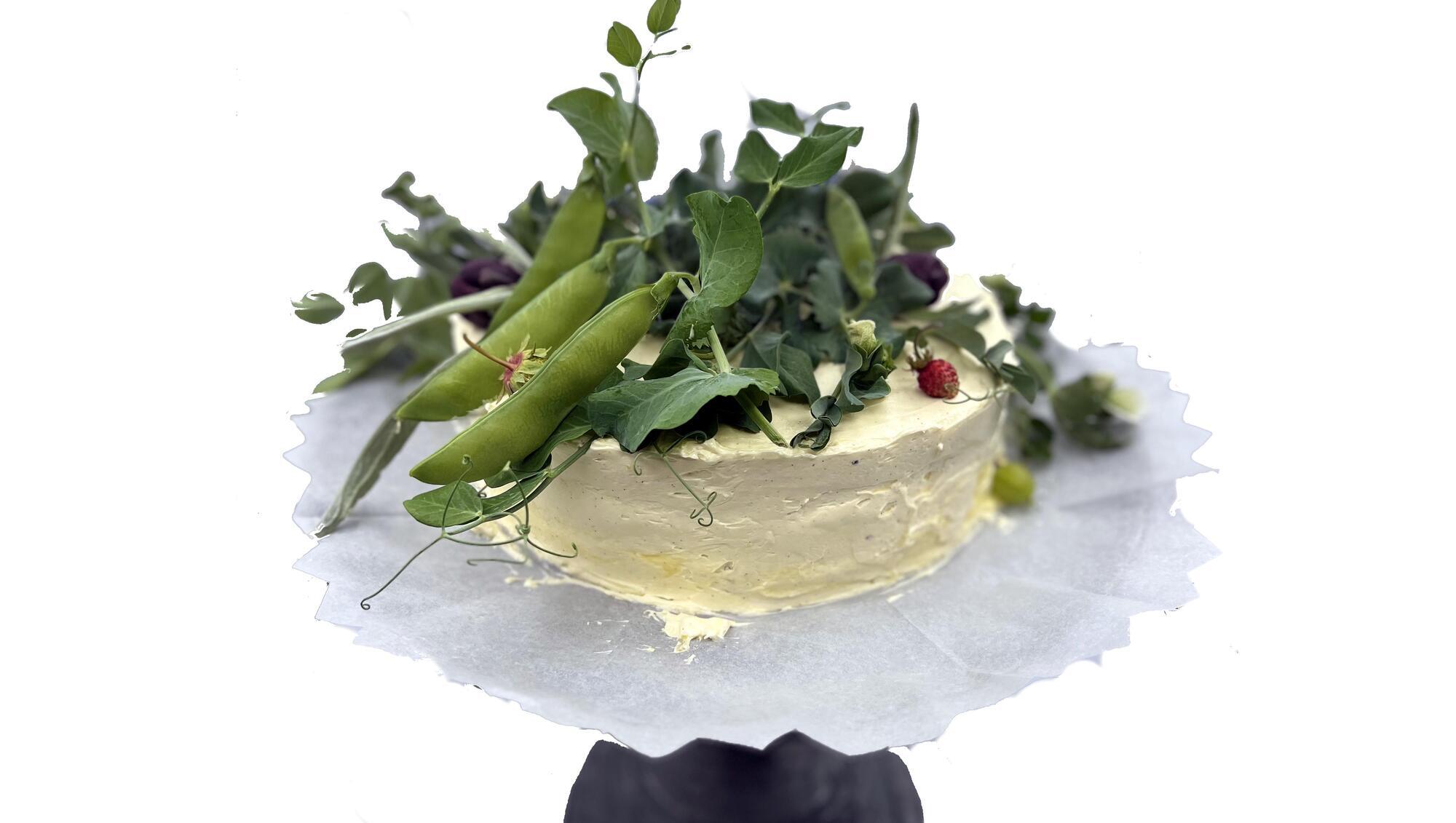
Natasha Pickowicz' Vanilla Bean Swiss Buttercream
We’ve just had Natasha Pickowicz, one of the hottest young US pastry chefs to teach a class here at the Ballymaloe Cookery School.
Natasha is a San Diego, born NYC-based, chef and writer and three times James Beard Foundation Award finalist.
She created magic in the pastry section of two of my favourite restaurants in New York, Flora Bar and Café Altra Paradiso before starting her blog, Natasha now has over 46,000 followers on Instagram (@natashapickowicz).
Natasha is no ordinary pastry chef, much of her pastry work explores the relationship with baking and social justice, including ongoing collaborations with New York City institutions, like the Bridget Alliance, Lenox Hill Neighbourhood House, God’s Love We Deliver, and Planned Parenthood of Greater New York.
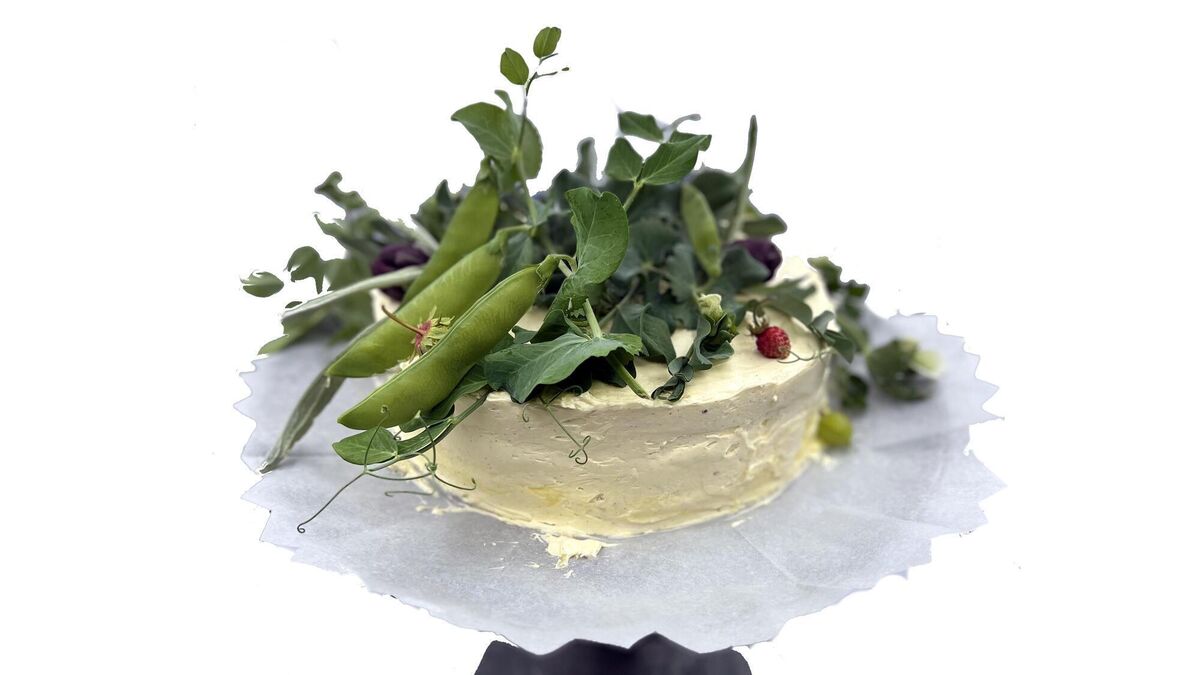
Natasha has a really fresh approach, I was intrigued by how she combined savoury ingredients with her sweet confections. I love how she decorated the top of one of her cakes with fresh Castel Franco and radicchio salad leaves, it looks and tastes so beautiful and needless to say it’s quite the conversation piece.
Before her class, she wandered round the farm and gardens collecting fresh herbs and flowers to embellish her delicious creations.
Natasha's vanilla bean Swiss buttercream was quite a mission to make but so silky light and delicious. She used it to ice a passionfruit, coconut and tequila cake, a really sumptuous cake that would be perfect for a special celebration – a wedding, birthday or anniversary.
During her class, she regaled us with stories of her legendary Charity Cake Sales, where up to 30 pastry chefs have fun, cooking together to raise money for good causes, an inspired idea.
Natasha’s debut cookbook, ‘More Than Cake’, which weaves unique baking recipes with stories of her family, social justice and food history, was published by Artisan Books earlier this year.
Enthusiastic cake makers will love all the brilliant little tips that she adds to each of her recipes which help to ensure a perfectly delicious result.
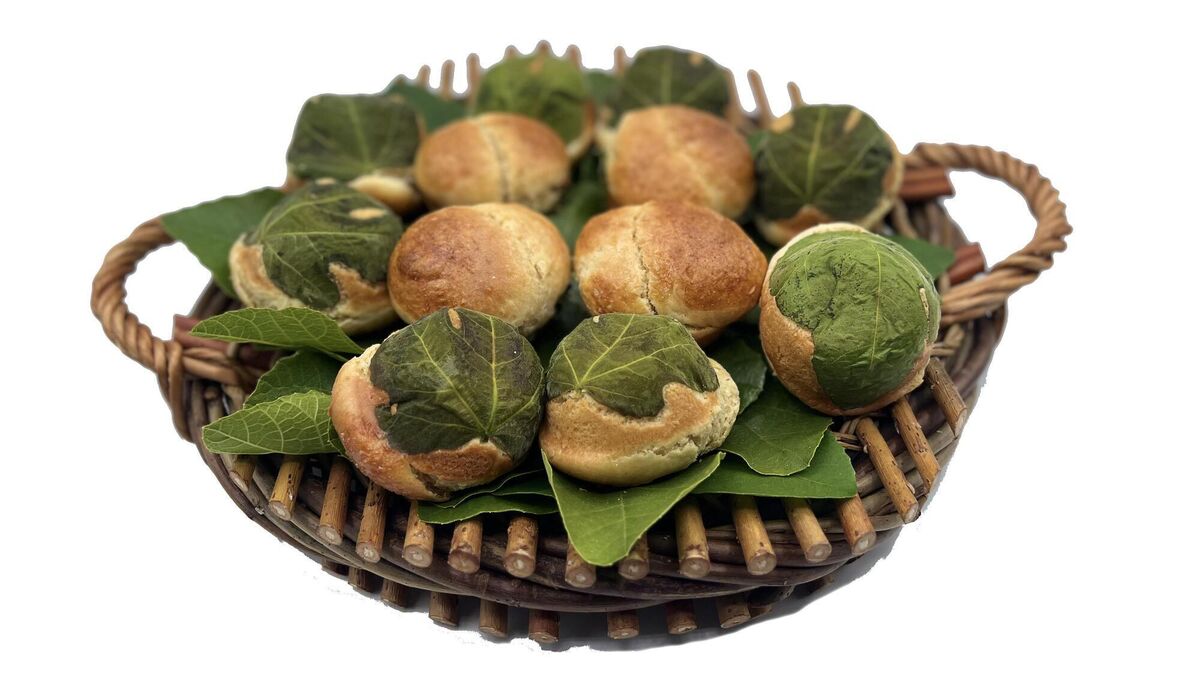
Natasha Pickowicz' Leafy Dinner Rolls
"When gently toasted in the oven or over an open fire, fig leaves release an intoxicating aroma — something between coconut sun cream and vanilla buttercream."
Servings
12Preparation Time
2 hours 45 minsCooking Time
2 hours 45 minsTotal Time
5 hours 30 minsCourse
MainIngredients
60g warm water
2 tbsp (40g) honey
2 tsp active dry yeast
240g full-fat coconut milk, warmed
1 egg (50g)
420g all-purpose (plain) flour, plus more for rolling the dough
½ - ¾ tsp salt
8 tbsp (112g) unsalted butter, at room temperature
12 small or 6 large fresh fig leaves (see tip #1)
1 large egg white (30g)
flaky sea salt
Method
Tip 1 — To create a similar frilly skirt to dress the rolls, try substituting other flat, wide leaves like Swiss chard, beet greens, or Savoy cabbage for the fig leaves.
Tip 2 — The motion of shaping dough balls by hand is a very tactile, intuitive feeling. Add too much flour to the counter, and you won’t have enough grip on the table to create the tension needed to shape the balls; don’t add enough flour, and the enriched, buttery dough will stick to the counter and smear. Form a protective cage over the dough ball with your palm, and don’t apply any downward pressure. Just lightly move it around in a circular motion until you feel the bottom of the dough “catch” on the table and tighten up.
Mix the dough. In a stand mixer fitted with the dough hook, combine the warm water, honey, and yeast and let sit for a few minutes, or until the yeast looks foamy and puffy. Add the coconut milk, egg, flour, and salt and mix on medium-low speed until the dough begins to wind around the hook, about 5 minutes. With the mixer still running, pinch 4 tablespoons (56g) of the butter into small pieces and add piece by piece to the dough, beating until the dough looks smooth and the butter is incorporated. (The dough will be sticky and wet; scrape the bottom of the bowl with a spatula halfway through mixing to ensure that the dough mixes evenly.)
Let the dough rise. Transfer the dough to a medium bowl. Cover tightly and let rise in a warm area until doubled and puffy, about 1 ½ hours. Then refrigerate the bowl of dough for at least 1 hour (or up to 24 hours) to make it easier to handle.
Build the nests. Set out one large muffin tins. In a small saucepan, melt the remaining 4 tablespoons (56g) butter over low heat. Lightly brush the muffin cups with half of the melted butter. Gently drape a small fig leaf into each muffin cup, pressing it into the corners to adhere to the butter; the edges of the leaf should poke up out of the top of the tin. If using large fig leaves, tear into 7.5 - 10 cm pieces and press them into the cups to fit.
Shape the buns. Divide the chilled dough into 24 equal portions (between 30 - 35g each). Lightly flour a clean work surface. Cup your hand into a claw position and quickly roll each portion of dough into a tight, taut ball (see tip #2). Place 2 balls side by side in each lined muffin cup. Cover the muffin tins and let the dough rise again until doubled, 1 ½ hours.
Preheat the oven. About 30 minutes before the rolls have completed their second rise, preheat the oven to 200°C/gas mark 6.
Egg-wash and bake the rolls. Whisk up the large egg white with a fork, then brush all over the rolls, being careful not to deflate their rise. Transfer to the oven and bake until the rolls are shiny and golden, about 20 minutes.
Soak the buns with more butter. Remove the rolls from the oven and immediately brush with the remaining melted butter, then add a sprinkle of flaky sea salt to each. Gently pop out each roll from the pan and admire the fig leaf pattern underneath.
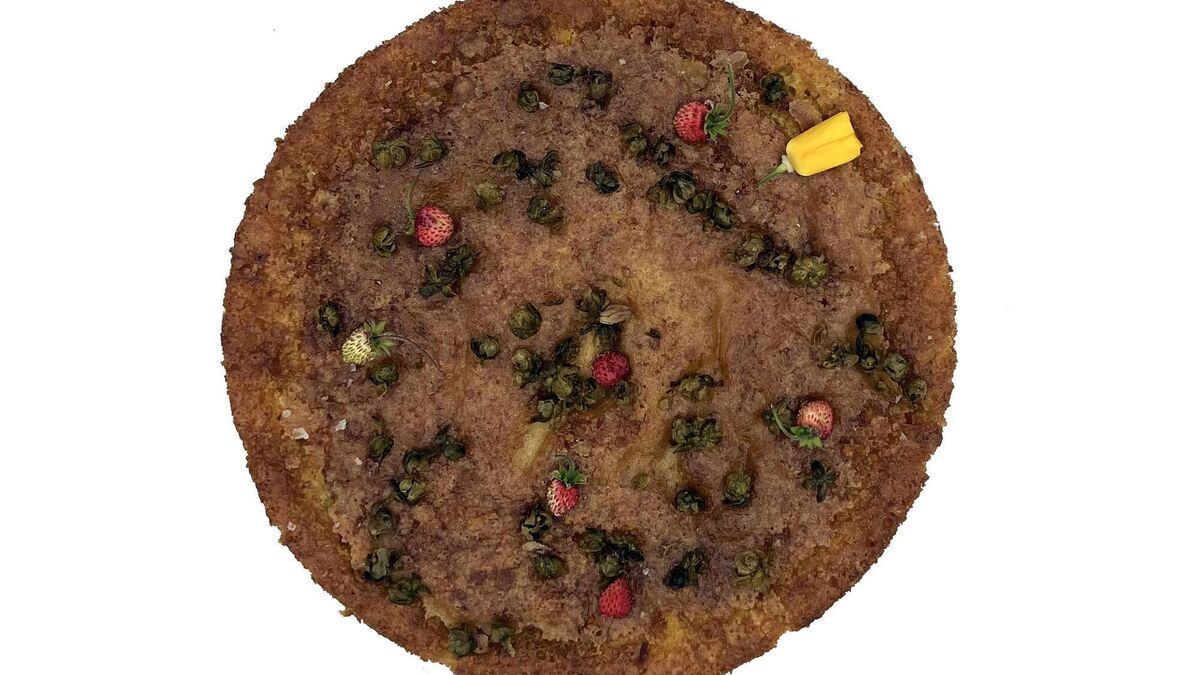
Natasha Pickowicz' Olive Oil Cake with Crispy Capers
This olive oil cake, with its coarse, amber crumb, glows as if lit from within. Use your everyday workhorse cooking olive oils for the cake batter (see tip).
Servings
8Preparation Time
30 minsCooking Time
58 minsTotal Time
1 hours 28 minsCourse
MainIngredients
1 large orange
2 eggs (100g), at room temperature
200g caster sugar, plus 2 tbsp (30g) for sprinkling
½ tsp baking soda
1 ¼ tsp baking powder
240g all-purpose (plain) flour
½ tsp salt
185g whole milk, at room temperature
150g olive oil
½ tsp almond extract
3 tbsp (20g) capers
3 tbsp (45g) grapeseed (or sunflower) oil
60g finishing olive oil
2 tbsp (30g) Marsala wine or sherry
flaky sea salt
Method
Tip — Delicious, affordable choices include the cold pressed oils from Partanna, Campagna, and Palermo in Southern Italy and Arbequina olive oils from Catalonia, Spain, and Capay Valley, California. (Look for high-end brands sold by the gallon for more affordable options.)
Preheat the oven and prepare the cake pan. Preheat the oven to 180°C/gas mark 4). Cut out a round of parchment paper to fit a 25cm round cake pan and secure with cooking spray.
Process the oranges. Grate the zest from the orange; you want about 1 tablespoon zest. Juice the orange and measure out 80g juice for the cake batter. Then measure out another 30g for the vinaigrette and set aside.
Dissolve the sugar in the eggs. In a stand mixer fitted with the whisk (or in a large bowl using a handheld mixer), whip the eggs on high speed until foamy, about 20 seconds. Slowly stream in 200g of the caster sugar and continue to whip until the mixture is lightened in color and doubled in volume, 5 to 6 minutes.
Combine the dry ingredients. Sift the baking soda and baking powder through a small tea strainer into a small bowl. Add the flour and salt and whisk to combine.
Incorporate the remaining ingredients. With the mixer running on low speed, stream in the 80g orange juice, the orange zest, milk, olive oil, and almond extract and mix to combine. Add the dry ingredients. Mix until just combined (the batter will be thin with some lumps; do not whip until the batter is totally smooth, as that would make the cake tough).
Bake the cake. Scrape the batter into the prepared cake pan and sprinkle the surface with the 2 tablespoons sugar. Bake until the cake springs back when poked with a finger, 35 - 40 minutes.
Meanwhile, fry the capers. Spread the capers out on a tea towel and gently pat dry. In a small saucepan, heat the grapeseed (or sunflower) oil over medium heat. (A thermometer inserted in the oil should read around 175°C.) Add the capers all at once and fry, stirring constantly, until they have lightened in color and the flower buds are beginning to open up, about 2 minutes. With a slotted spoon, remove the capers to a paper towel and let drain completely.
Mix the cake-soak vinaigrette. In a small bowl, whisk together the reserved 30g orange juice, the finishing olive oil, and the Marsala.
Soak the olive oil cake. Run a small offset spatula around the edges of the pan and gently tug the cake out and onto a platter to cool completely. Gently lift the cake up to peel off the parchment and discard. When ready to serve, gently dab the vinaigrette onto the cake with a small pastry brush. Sprinkle with flaky sea salt. Slice into wedges and serve with a scattering of crispy capers.
Variations
Cake soaks should have a balance of tart, sweet, and savory notes—just like a vinaigrette for your favorite salad. Try adding champagne or balsamic vinegar to the soak, a spoonful of jam, or a grind of black pepper. Oil-based cakes don’t mind lots of ingredient substitutions. Try Meyer lemon or lime in place of the orange. Sub out 3 tablespoons of flour for cornmeal for cake with a heartier texture. Add 2 tablespoons (18g) poppy seeds for a slight crunch. Sprinkle 2 teaspoons finely diced rosemary into the flour for an herbal note. The whole milk can be replaced by non-dairy alternatives like coconut milk or almond milk. You can truly make this recipe your own!
Natasha Pickowicz' Vanilla Bean Swiss Buttercream
My go-to layer cake is not too sweet, sumptuous but not greasy, and easy to customize with extracts and spices.
Servings
2Preparation Time
40 minsCooking Time
5 minsTotal Time
45 minsCourse
DessertIngredients
4 large egg whites (120g)
200g granulated sugar
48g icing sugar
1 vanilla bean
300g unsalted butter, cubed, at room temperature
½ tsp salt
Method
Cook the egg whites. In a heatproof medium bowl, combine the egg whites and granulated sugar and whisk well. Set the bowl over a pot of steaming-hot (but not simmering) water and whisk until the mixture is hot and the temperature is 115°F (45°C), 4 - 5 minutes.
Beat the meringue. Transfer the mixture to the bowl of a stand mixer fitted with the whisk (or to a large bowl if using a handheld mixer) and whip on high speed until slightly cooled, about 2 minutes. Turn the mixer off and add the icing sugar. Whip on medium-high speed; the meringue should look glossy and stiff.
Harvest the vanilla seeds. Use a small sharp knife to halve the vanilla bean lengthwise, pry open the halves, and use the knife to scrape the vanilla seeds out into the meringue. Whip to combine, about 1 minute.
Add the butter. With the mixer running on medium-high speed, add the cubed butter, piece by piece, over 3 - 4 minutes. The buttercream may look like it will break but keep beating; it will come back together. Add the salt and beat the buttercream for another 5 minutes. Use immediately or refrigerate in an airtight container for up to 2 weeks.
To ice a cake. When ready to ice a layer cake, let the buttercream come to room temperature for at least 2 hours (or overnight) and then re-whip for 5 minutes so it is fluffy and light.
West Cork is jumping into the summer season, check out The Algiers in Baltimore for some of the best tacos I’ve eaten outside of Mexico city and Nico’s on the Main Street in Schull also needs to be on your list for small plates, delicious bites and some great cocktails. I loved the elderflower and peach bellini and three great West Cork Farmers’ Market over the week – Skibbereen on Saturday (9.30am – 2pm), Baltimore (7am – 12pm) and Schull on Sunday (10am – 2pm).
The Field Café Food Truck at the Organic Farm and Gardens has reopened for the Summer from Tuesday – Saturday from 10am – 4pm.
The gardens, Shell House, Celtic Maze, Potager, Kitchen Garden, Amphitheatre, Formal Vegetable Garden, Wildflower Meadow, Topiary Border…open Monday – Saturday from 9.30am – 5.30pm.
Group and bespoke garden tours/organic farm tours.
The kids love the Little Farmers’ Walk (11am on Wednesdays and Saturdays for the summer season – please check, booking essential)
ring 021 4646785