Currabinny Cooks: Spicy, sweet beetroot - and our favourite ways to cook it
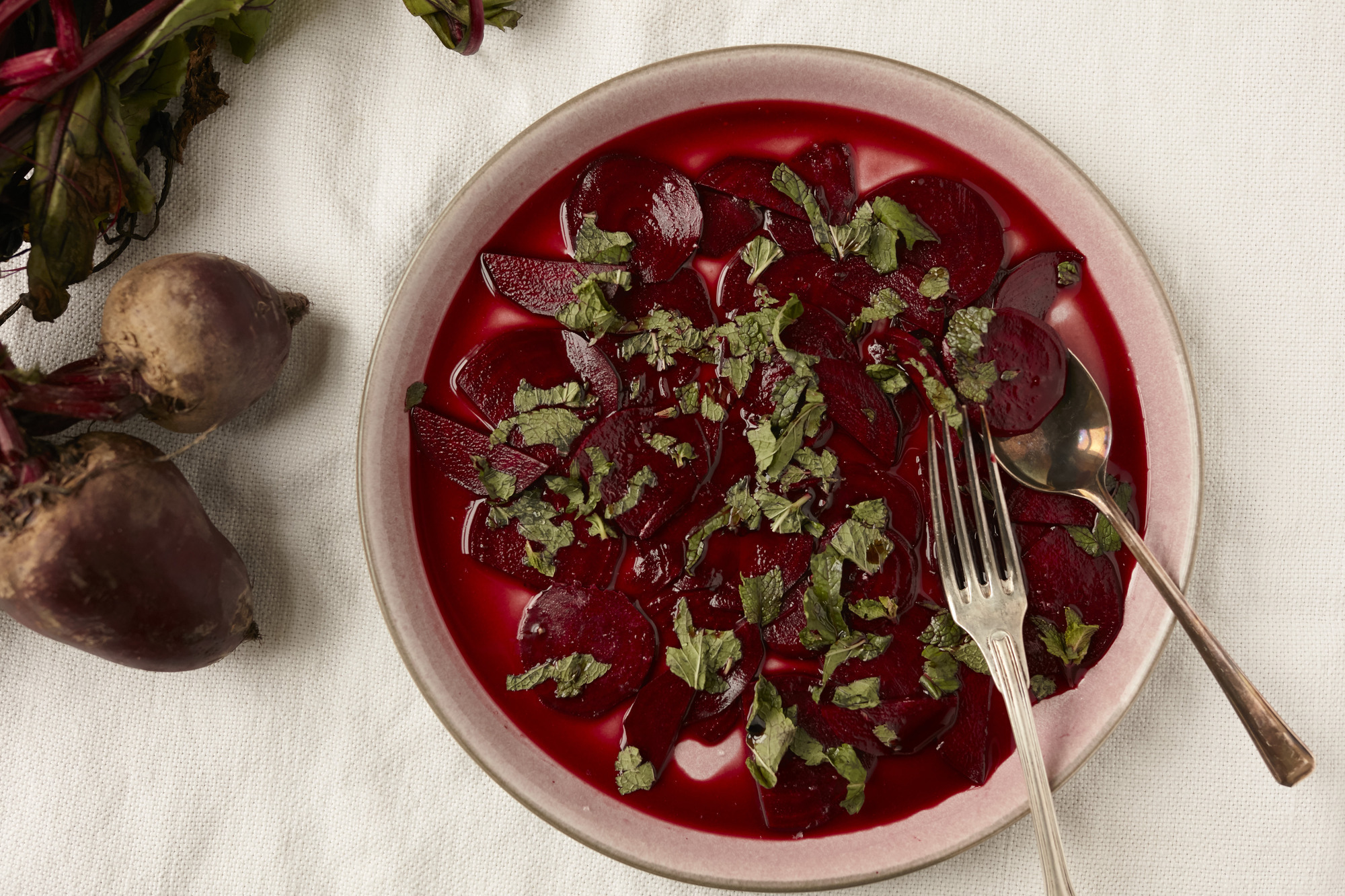
Beetroot is at its best right now. Picture: Bríd O'Donovan

Although available all year round, we love eating beetroot at this time of year. There is something inherently comforting about the deep earthy, sweet, spice of beetroot which lends itself perfectly to autumnal cooking. Beetroot mainly comes in three distinct varieties, red, candy and yellow and will vary in size. In the Spring and Summer we tend to eat more of the candy and yellow varieties, sliced thinly and eaten raw in a salad. Now that the colder months are upon us, we long for the richness of the more common red variety, humble and familiar as they are.
For anyone thinking about growing beetroot, it is a wonderful crop. Beetroot is strong and resilient, mostly looking after itself. It doesn’t need many inputs from the grower so beetroot is easier to farm in a way that is sustainable and works with the environment.
Beetroot is the taproot part of the beetroot plant. The whole plant is edible although the leaves and stems are best enjoyed when the plants are young.
Like so many crops, beetroot was originally domesticated in the Middle East although the vegetable is best suited to the cooler growing conditions found in Northern Europe. As a result, beetroot is an important part North and Eastern European cooking.
One of the earliest known benefits of beetroot is its use as an aphrodisiac during the Roman times and it wasn’t all just folklore. It has since been found to contain high amounts of boron which is said to increase blood flow and certain hormones. This all makes beetroot an entirely sensory experience, the colour, the earthy flavour, the invigorating effects it has on the body.
Beetroot is relatively easy to prepare and use in the kitchen. Try get a bunch with the stalks and leaves still attached as they can be used in much the same way as chard or spinach.
Some people wear gloves when they peel or handle beetroot as the colour of their juices will stain the hands. We personally don’t really mind having slightly pink hands and besides, it never lasts too long.
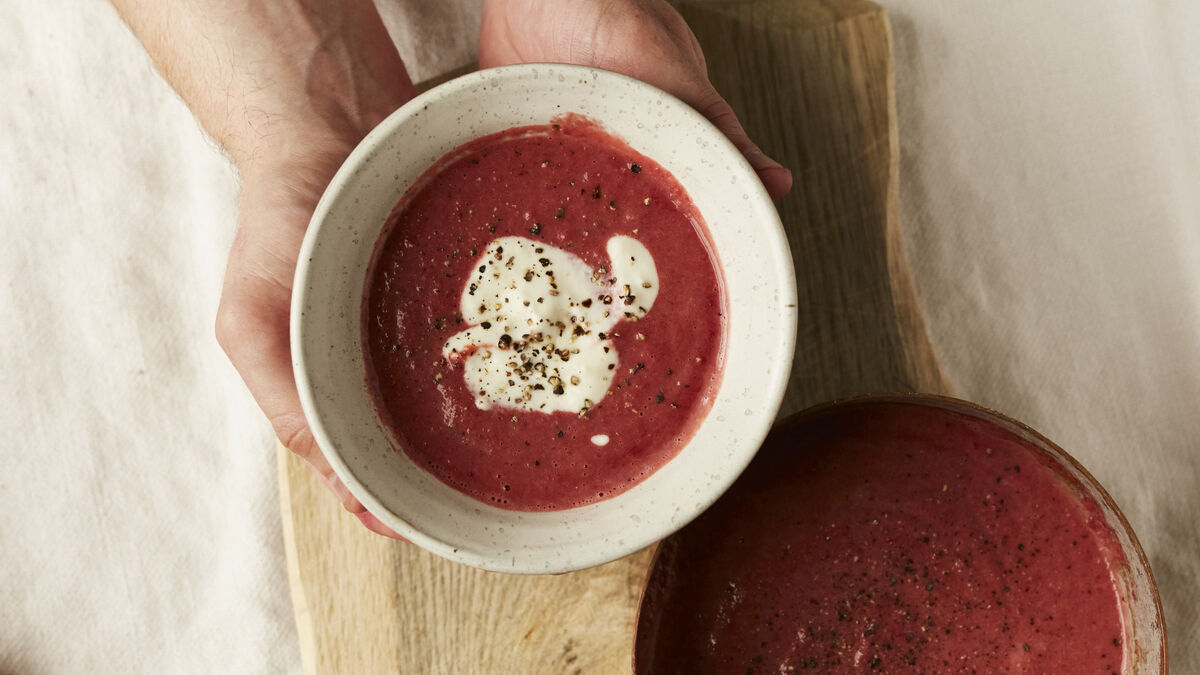
Beetroot soup
I usually find borsht much too sweet and intense. This beetroot soup is much less sweet and more savoury and earthy
Servings
4Preparation Time
10 minsCooking Time
25 minsTotal Time
35 minsCourse
StarterIngredients
2 medium onions, finely diced
1 large potato, finely cubed
2 medium cooked beetroot, chopped
2 cloves of garlic, finely chopped
1 small chilli, finely diced
1 celery stalk, finely diced
1 large carrot, peeled and finely diced
Olive oil
100g butter
Sea salt and black pepper
1 litre of vegetable stock
Crème fraiche to serve
Method
In a large pot or casserole over medium high heat add the butter to the pan along with a drizzle of olive oil. Once melted, add the onion, garlic, celery and chilli, cooking for a few minutes until the onions have softened and the garlic has become fragrant. Add the potato and carrot to the pan, stirring everything together so that it is all coated in butter.
Make a cartouche (paper lid) out of a bit of baking parchment and then pop the lid on. Turn the heat down to medium and leave the vegetables to soften for around 6-8 minutes. Take the lid and cartouche off and add the cooked beetroot along with the vegetable stock. Bring to the boil and then leave to simmer for around 15 minutes until everything is soft and fragrant.
Pulse the soup in a food processor or using a stick blender until very smooth and pink. Check the seasoning and serve in deep bowls with a dollop of crème fraiche and some crusty bread.
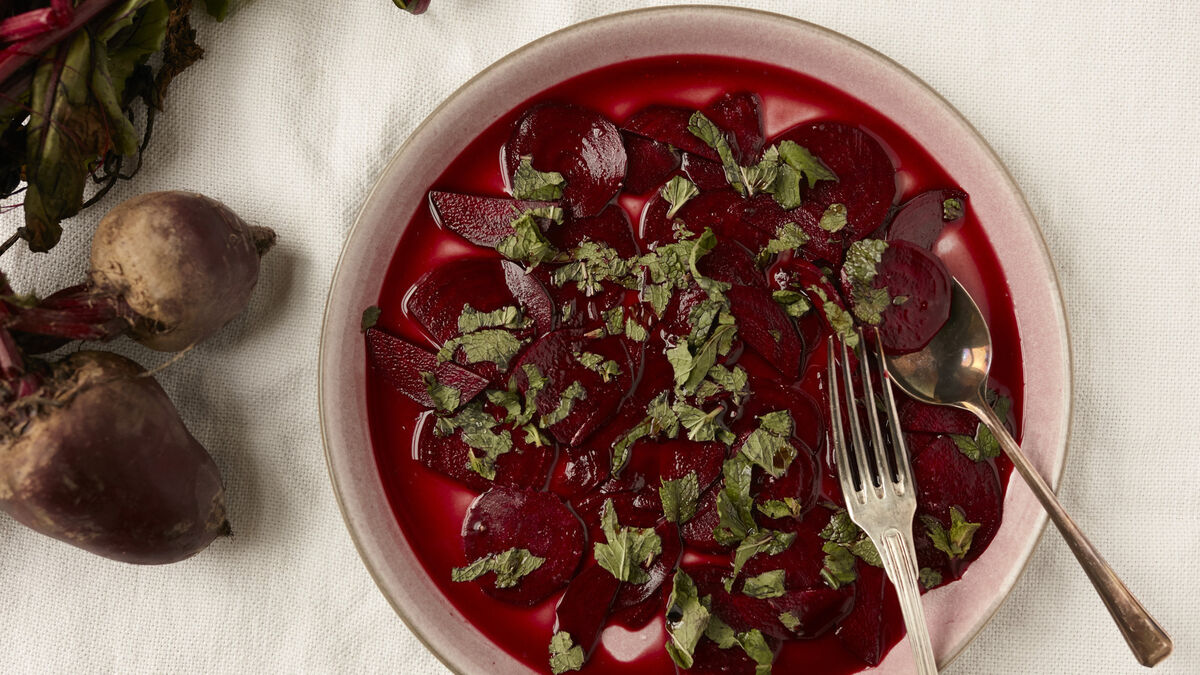
Beetroot salad with balsamic and mint
The key here is to slice or shave the beetroots as thinly as possible and to leave them to marinate for a good while in lemon juice
Servings
4Preparation Time
60 minsTotal Time
60 minsCourse
SideIngredients
2-4 beetroots (depending on size), peeled
Sea salt and black pepper
Juice of 1 large lemon
Extra virgin olive oil
Balsamic vinegar
Handful of mint leaves, roughly torn or chopped
Method
Very thinly slice or shave the beetroots and place them on a large serving plate. Season lightly with sea salt and black pepper and then cover liberally with the juice of one large lemon ( or two small ones).
Leave to marinate for around 40 minutes to an hour.
Once marinated, simply drizzle a little extra virgin olive oil all over and then sprinkle a few tablespoons of balsamic vinegar over. Garnish liberally with mint leaves and serve.
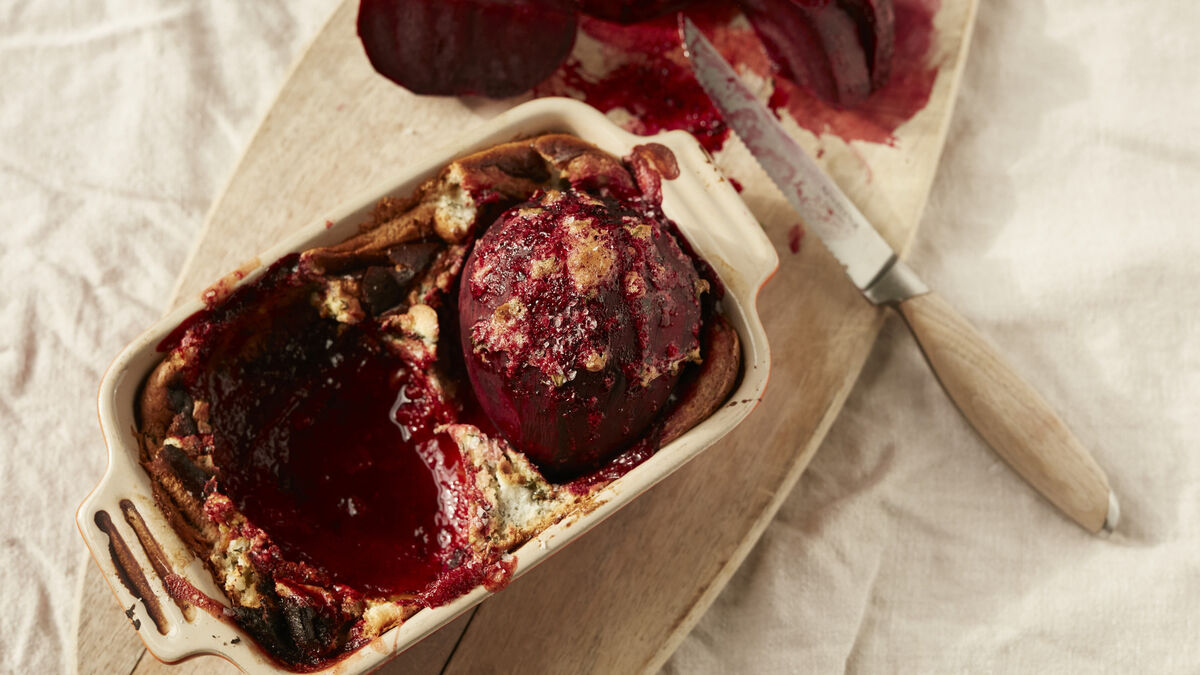
Salt-baked beetroot
This isn’t a recipe as such, more of a technique for achieving gorgeously cooked, perfectly seasoned beetroot
Servings
4Preparation Time
5 minsCooking Time
60 minsTotal Time
1 hours 5 minsCourse
SideIngredients
2-4 beetroots depending on size
300g sea salt
150g icing sugar
2 egg whites
8-10 thyme sprigs, leaves only
Method
Preheat the oven to 180°C.
Prepare the salt crust by whisking together the egg whites, sea salt, thyme leaves and icing sugar in a medium-sized bowl until well combined. Trim the beetroots of any grizzly bits or stalk ends, no need to peel them. Place them in a small casserole dish that they fit into relatively snuggly.
Pour over the salt crust solution so that the beets are well coated and halfway submerged.
Place in the oven for roughly one hour. The salt crust should puff up significantly and turn golden to dark brown. Test with a skewer towards the end of cooking, it should go through the beetroot fairly easily when cooked.
Take out of the oven, leave to cool and then break off the salt crust, freeing the beetroot.
You should be able to rub the skins off fairly easily now without the need for a peeler. The beetroot should be cooked through with a slightly salty, thyme-infused flavour throughout.