EU proposals could end Irish calf exports without amendments — ICOS
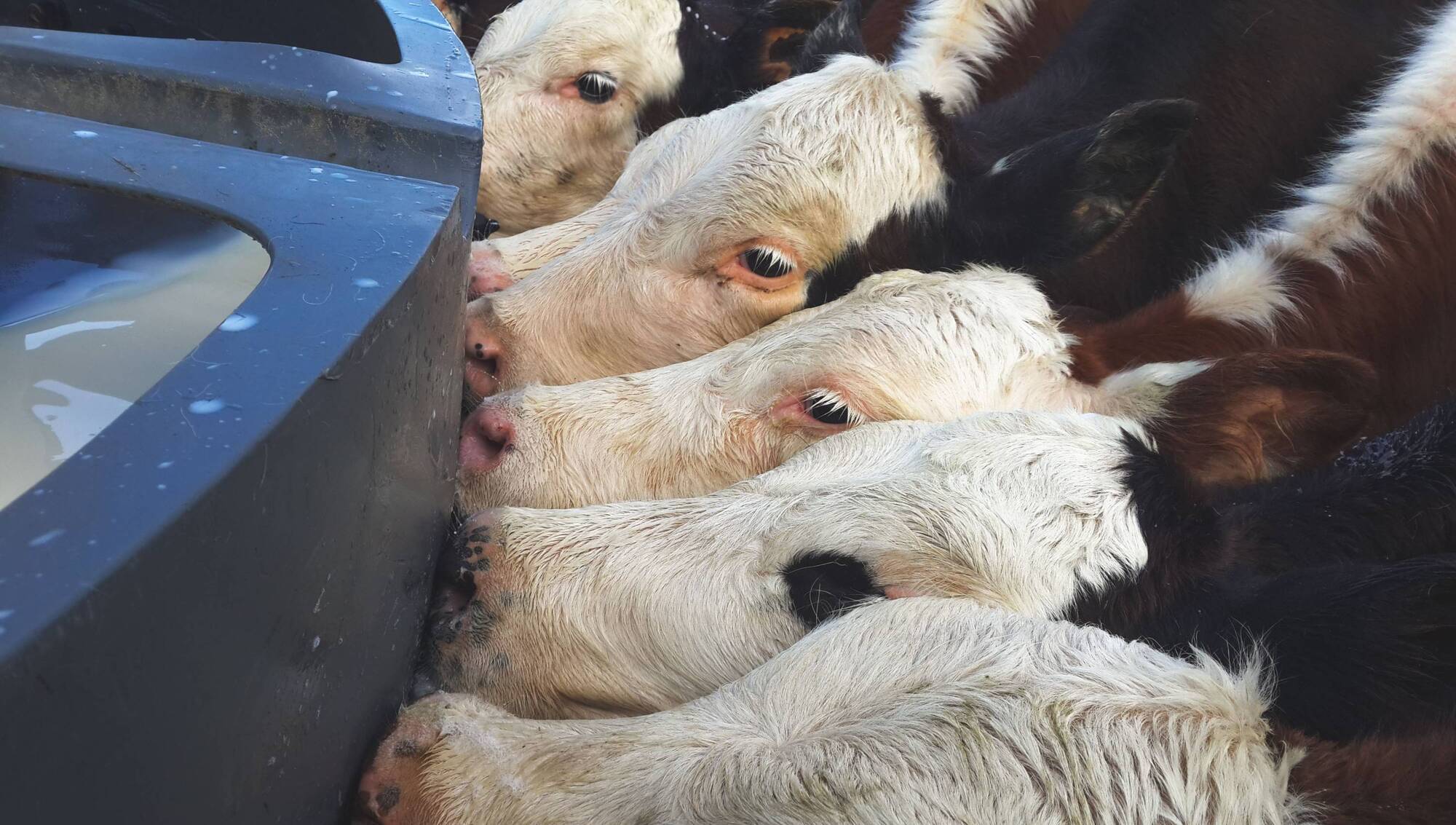
ICOS is also seeking adjustment to the proposed requirement to feed unweaned calves exclusively with milk or milk replacer during transport, on the basis this presents significant practical difficulties, particularly aboard ferries.
The proposed new EU animal transport legislation has raised concerns about halting Ireland’s unweaned calf exports if amendments aren’t introduced.
The Irish Co-operative Organisation Society (ICOS) has warned the new legislation could bring Ireland’s trade in unweaned calf exports to a halt unless amendments are introduced to reflect the practical realities of transporting livestock from an island nation.
The warning follows meetings held with Irish MEPs Ciaran Mullooly and Nina Carberry, during which ICOS highlighted two particularly important changes required to protect the trade while maintaining the highest animal welfare standards.
ICOS is seeking a reduction in the proposed seven-day standstill requirement affecting assembly centre operations to a more practical 24-hour period, subject to appropriate animal health and welfare safeguards.
Read More
Livestock and environmental services executive at ICOS Ray Doyle said: “A seven-day standstill will be unworkable for Ireland’s livestock export system. It will create serious capacity pressures, additional costs and potentially greater animal health risks.”
The organisation is also seeking adjustment to the proposed requirement to feed unweaned calves exclusively with milk or milk replacer during transport, on the basis this presents significant practical difficulties, particularly aboard ferries.
“There should be greater flexibility within the proposed legislation to permit other nutritionally appropriate liquid feeds, subject to veterinary oversight and scientific validation.
"For example, pre-prepared and pre-packaged liquid formulations incorporating electrolytes, proteins and appropriate energy sources such as glucose could offer a practical alternative, provided they are demonstrated to meet the needs of calves during transport,” Mr Doyle said.
He emphasised live exports provided an essential market outlet for Irish dairy farmers, supporting competition for calves, farm-gate prices and the wider rural economy.
“The welfare of animals during transport is absolutely paramount. It is in nobody’s interests for animals to experience anything less than the best possible conditions. Accordingly, Ireland’s livestock industry is committed to safe, humane and responsible international transport, supported by established welfare measures and ongoing improvements in standards,” Mr Doyle said.

BLACK FRIDAY
Already a subscriber? Sign in