Why eating disorders are a growing problem in the GAA - and what to do about it
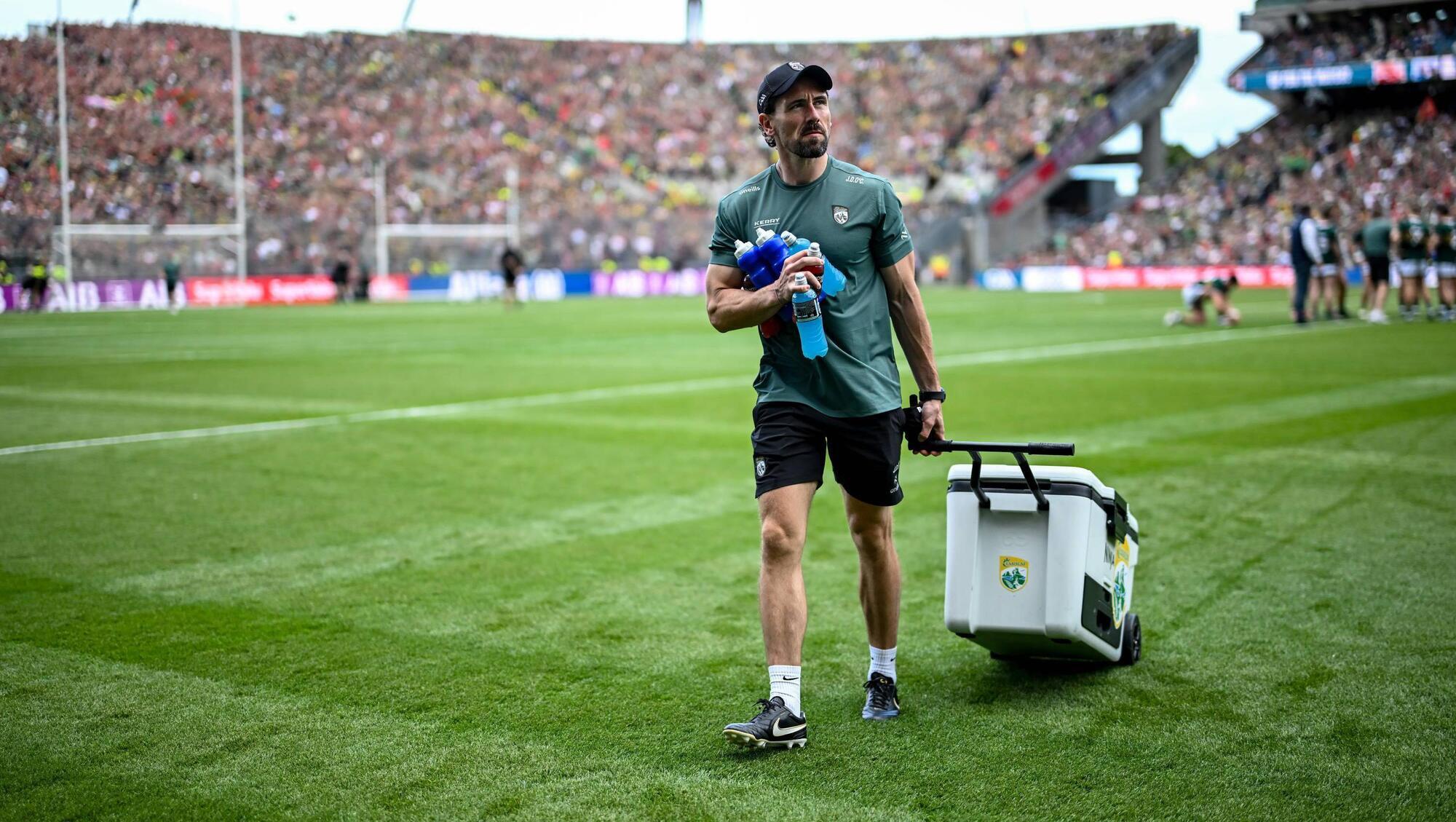
CONCERN: Kerry nutritionist John O'Connor: "To throw out an arbitrary figure that every player should be X percent in terms of body fat is something that I 100% do not agree with." Pic: Stephen McCarthy/Sportsfile
YOU know how it goes. This is testing season. Get a baseline, break out the scales and the callipers, draw up conditioning and nutritional plans ahead of a big 2027 season. Tangled up with all of that is a hidden danger.
The prevalence of eating disorders among sportspeople is not well documented. That is not to say it isn’t there. A 2026 systematic review and meta-analysis published in the British Journal of Sports Medicine found a pooled prevalence of 20% for eating disorders (EDs) and disordered eating (DE) among athletes. Pick any dressing room and do the maths.
And it is a growing problem among GAA players.
“Over the last 12 months, there has certainly been an increase in people reaching out for help for themselves or from those who love them, but it's increasingly tied up more in sports of late, GAA obviously being a predominant one,” explains Laura Casey, director of services at Lois Bridges, an eating disorder treatment centre in Dublin.
This trend puts a particular onus on coaches and other backroom staff to know how to respond. John O’Connor is head of nutrition at Kerry GAA, an SENr performance nutritionist who also completed the Disordered Eating in Athletes programme at Loughborough University.
“It is growing,” he says of eating disorder cases. “There are no two ways about it. I think in the era of the dawn of social media has certainly contributed. We've fallen into a little bit of comparison culture, which can be a little bit dangerous.
“We're looking online at really unrealistic images of people with low body fat percentages. And we're seeing more and more athletes fall into the trap of that comparison. I think in general, there is a little bit of a misconception that athletes are exempt from body image issues or eating disorders.
“That couldn't be further from the truth. A lot of athletes place a lot of pressure on themselves to look a certain way.”
The difficulty is that this issue can be rife with misconceptions. Men are not immune, eating disorders can manifest in many forms and elite sport is particularly fertile ground.
This is why there is an urgent need to talk about it. To share best practice, to flag the warning signs and to point people towards help.
“Usually at the beginning or in the middle of an eating disorder, you can still function really highly,” says Casey.
“There is this misconception that straight away they will become fatigued or weak, but that is not the case because there are so many types of eating disorders. You're not just looking at anorexia. Bulimia, binge-eating, in several instances, you can hide for a lot longer because things like weights, BMIs, numbers, muscle mass, that can all remain the same.”
Threshold is a recently released documentary that follows Olympic gold medal skier Jessie Diggins as she pushes herself to compete at the highest level while battling a severe eating disorder.
Diggins has long campaigned to de-stigmatise eating disorders through public discussion. The GAA is fortunate to have had some prominent figures tell their own stories. Former Limerick hurler Barry Hennessy and Armagh’s Aoife Lennon have both admirably spoken out previously.
There are societal and cultural pressures that mean anyone is vulnerable to an eating disorder. An added factor is the elite environment itself.
Sport is supposed to be the epitome of health, but at the top end athletes can pursue extreme and unhealthy means in search of peak performance.
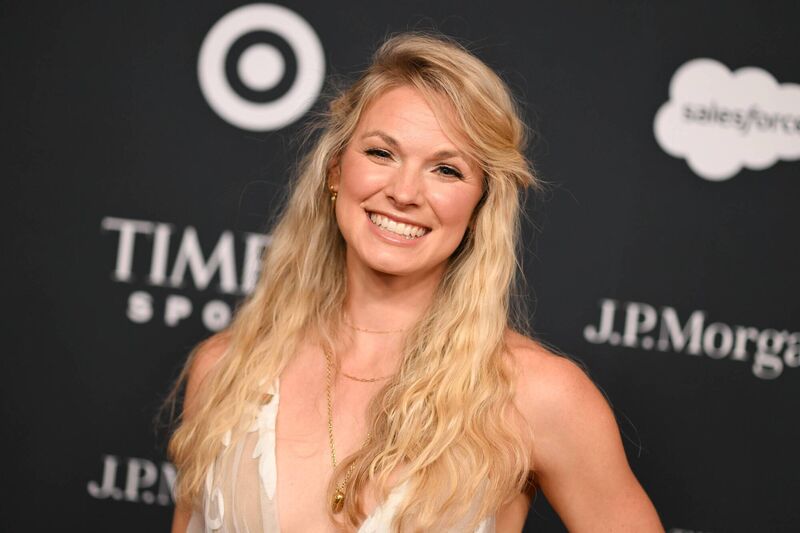
“She had no issues with eating or body image until she went to intensive training and camps where everybody was doing the same training,” says Casey of Diggins.
“She saw people skipping desserts or what they were eating; that is when her issue started.
“Am I going to be as good as the woman sitting next to me because she is actually eating less? Even if you are not involved in sport, eating disorder is amplified tenfold by comparison.”
A practice that exists even at club level now is body fat or skin-fold testing. There are obvious dangers in applying this to an entire team, or in sharing entire results, instead of in a private, one-on-one setting.
“If someone is really feeling crappy about themselves and they're checking that religiously. It is almost validating the eating disorder.”
So, what are the warning signs? Rapid weight loss, negative language about food or their bodies or simply a sense that they just aren’t themselves.
“We have this generation now who are using kind of computers and access to various apps and technology,” says Casey. “That is the danger of spreadsheets, comparing each other to each other. I think there'll be a generation afterwards that go, what were they doing? Why was that so easily accessed? It should just be about keeping yourself well overall.”
Sporting bodies are increasingly aware of the dangers. The AFL has formally banned skin-fold testing on any athlete in its talent pathways. This followed a 2021 decision to remove skin-fold testing from the draft process and to drop players’ weights from official publications and websites.
Body weights can still be recorded by a qualified professional in a safe, private and supportive setting. The move was met with a predictable backlash in certain quarters, particularly male pundits. There is still an old-school mentality at the heart of sport. In Casey’s experience, engagement among GAA clubs remains mixed.
“Not as much as it could be. There are definitely people who are receptive to it. Female coaches, definitely, which there aren't as many of. So when I'm reaching out, it is predominantly men coaching from senior to junior, or underage.
“Sometimes I don't get a reply or an ‘I'm not sure if this is applicable to us,’ but I have been surprised. There's been a few who actually started a dialogue with me, who sent out forms and asked, what could we do in the club?”
For O’Connor, safe practice must steer all their work.
“The main one for me is around language. It is hugely important that the terminology you use when discussing food with athletes should avoid morals, avoid terminology like good and bad, avoid kind of arbitrary weight targets or body fat percentage targets.
“All language should be health and performance focused. There should be absolutely no emphasis placed on aesthetics. It also means that I would treat every athlete individually.
“Look, we're all made up differently genetically. We have all different backgrounds, food preferences, body composition goals, playing positions.
“So to throw out an arbitrary figure that every player should be X percent in terms of body fat is something that I 100% do NOT agree with and something that should be avoided as a practitioner. And again, just going into the individual basis of it, some players I would completely avoid body fat percentage discussion altogether with. Just try to keep it performance-focused.
“The era or the dawn of social media has kind of led players to overvalue body composition as a performance metric. Yes, body composition can influence performance, but it is literally one piece of the puzzle.
“Sports like GAA, you can have a lot of coaches who are old school, who can use a lot of language that can trigger athletes. It won't necessarily be the most beneficial from a mental perspective. So again, it is really important that we start to educate our coaches a little bit better, educate our parents a little bit better on the red flags that we can look out for amongst our athletes and amongst the players we're working with.”
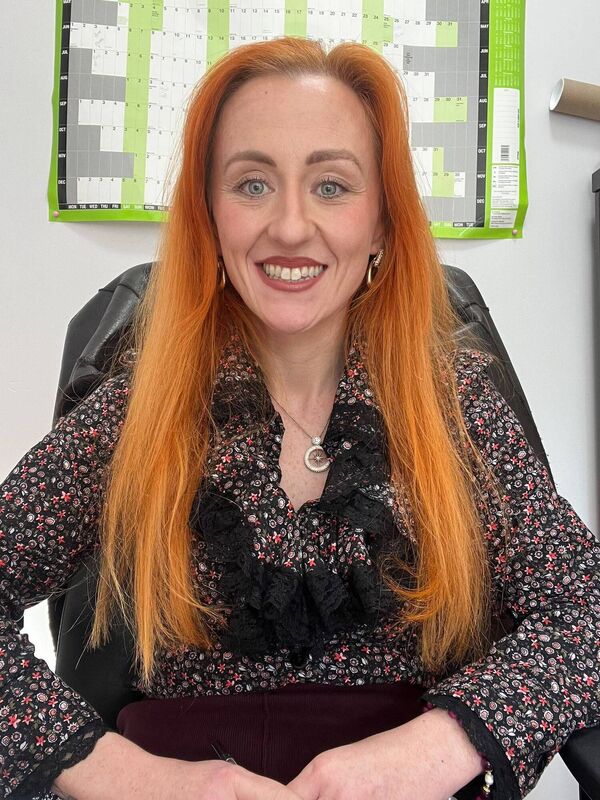
Ultimately, the key is that people are conscious of it and know who can help: a coach, a parent, a team-mate or a friend can all play a part. Specialist support is available and should be sought out. Casey is keen to stress that coaches themselves can suffer from eating disorders and need assistance too.
Right now, there are wellness programmes and GPA initiatives, but she fears that a lot of people are currently struggling in silence and find support harder to come by when their playing days are finished. The conversation can start now.
“It can be really hard to bring up an eating disorder. Especially lads, because they don't talk as much about feelings and what is going on with each other. It can just be about giving them the tools to talk about it and what to look out for.
“Yeah, it would really be great to see guys talking more, have less shame, less stigma and realise the help that is there.”

BLACK FRIDAY
Already a subscriber? Sign in

CONNECT WITH US TODAY



Be the first to know the latest news and updates