Who is responsible when a drainage ditch causes flooding?
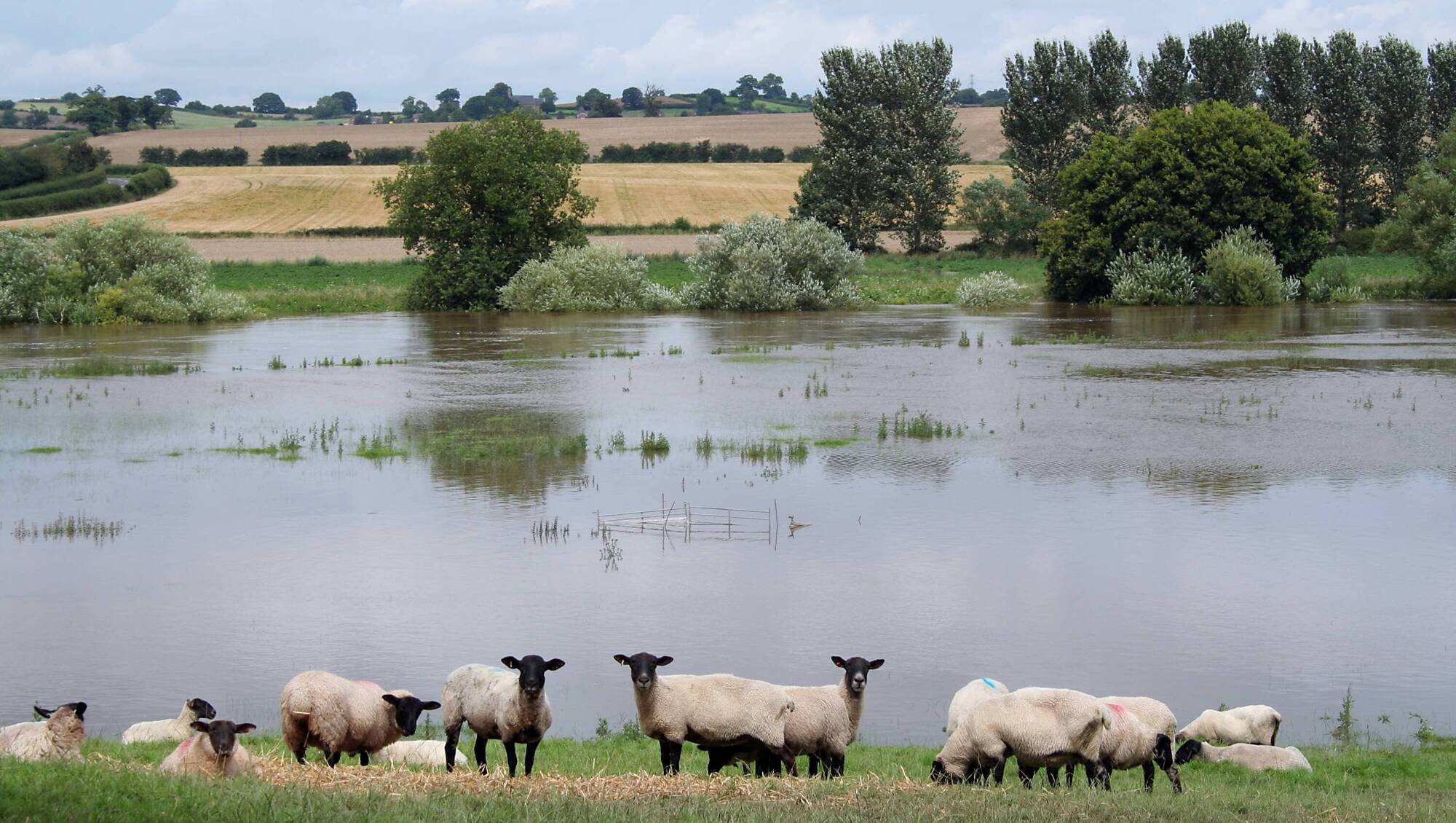
Our reader's fields are becoming waterlogged after works to a neighbouring drain. Rural solicitor Karen Walsh explains what action can be taken.

Dear Reader,
Drainage disputes between neighbouring farmers can be particularly difficult because a drain or watercourse may serve several properties and may have been operating in the same manner for generations without any formal written agreement.
The first issue is to establish the nature of the watercourse and how the lands have traditionally drained. Depending on the circumstances, a landowner may have riparian rights associated with a natural watercourse. Rights relating to drainage may also arise through long-established use or prescription.
Accordingly, the fact that a watercourse passes through or alongside your neighbour’s property does not necessarily mean that your neighbour is free to obstruct or interfere with the established flow of water without regard to the consequences for adjoining lands.
The cause of the problem is particularly important. A drain can cease to operate effectively for a number of reasons. It may have become blocked by silt or debris, its width or depth may have been altered or works carried out nearby may have affected the levels and prevented water from flowing as it previously did.
For that reason, engineering evidence is often essential in drainage disputes. A suitably qualified engineer can inspect the lands, examine the levels and route of the watercourse and determine whether particular works or an obstruction are causing water to back up onto your property.
You should also preserve evidence of what is happening. Photographs and videos following periods of rainfall can be useful, particularly if they show the direction of the water and the extent of any flooding or waterlogging. Older photographs, maps and evidence from people familiar with the farm may also assist in establishing how the lands historically drained.
The location of the boundary should also be established. Many agricultural drains run along field boundaries, but it should not automatically be assumed that the centre of a ditch represents the legal boundary. Your title, Land Registry documentation and maps should be examined and, if necessary, a surveyor may need to become involved.
Where interference with a watercourse is causing damage, possible legal remedies can include requiring the obstruction to be removed or the free flow of water to be restored. In more serious cases, an injunction may be necessary to prevent continuing interference. A claim for financial losses may also arise where damage to the farm can be established.
However, taking matters into your own hands can create further difficulties. You should be very cautious about entering your neighbour’s land or carrying out works to a disputed drain without first establishing your legal position.
From a farming perspective, drainage is fundamental to the productive use of land. Persistent waterlogging can affect grazing, crop yields, access by machinery and the overall condition of a field.
Good relations between neighbouring farmers are important, but one landowner should not be expected to simply accept ongoing flooding or waterlogging where the established drainage of their farm has been unlawfully interfered with.
Read More
Email: info@walshandpartners.ie
- While every effort is taken to ensure the accuracy of the information contained in this article, Karen Walsh does not accept responsibility for errors or omissions howsoever arising. Readers should seek legal advice in relation to their particular circumstances at the earliest opportunity.

BLACK FRIDAY
Already a subscriber? Sign in