Funshion pilot targets nitrate loss around North Cork river
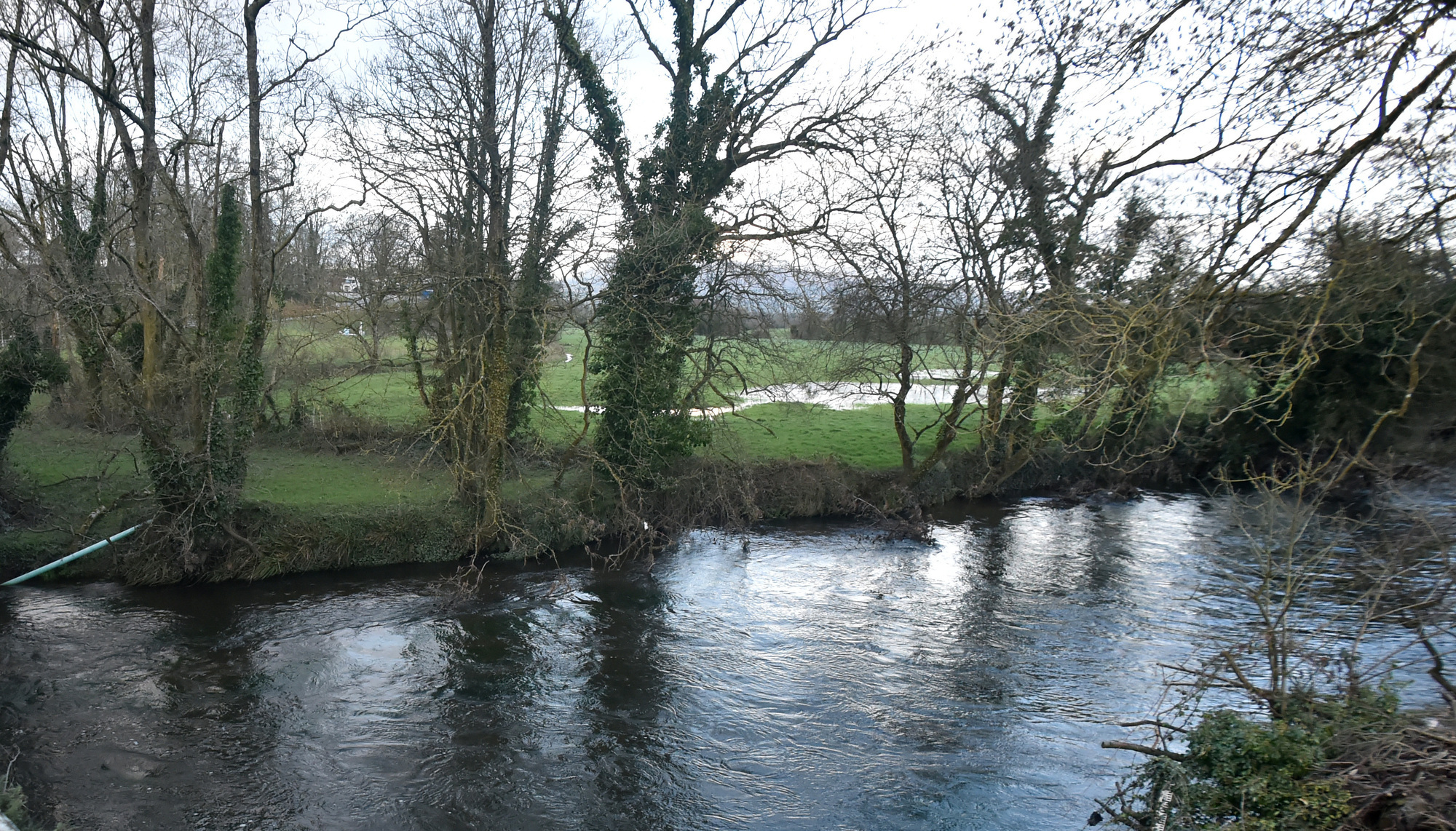
In 2024, it was found that nitrate levels in the Funshion river catchment were about 50% over the minimum threshold for environmental limits. File picture: Eddie O'Hare
Protected urea and over-sowing with plantain and clover mixes are part of the concentrated effort to reduce nitrate levels in surface and groundwater in a North Cork river catchment.
In 2024, it was found that nitrate levels in the Funshion river catchment were about 50% over the minimum threshold for environmental limits. Nitrogen levels are also too high in the area’s groundwater.
Due to the complexity of nitrate leaching and underground pathways for nitrate to move, a whole river system approach is needed to reduce nitrogen losses to surface and groundwater, according to a report in the EPA Catchments Newsletter by Teagasc’s Blackwater Catchment co-ordinator, Philip Murphy.
The specific sub-section of the Funshion identified as having the largest nitrogen load has been targeted for focused improvement efforts. This is the Funshion 80 waterbody, which includes much of its catchment around the M8 motorway, and southwards to where it joins the Blackwater.
The Funshion 80 Pilot Project, involving multiple stakeholders, includes the plantain/clover over-sowing and protected urea plus sulphur, both selected to partly reduce nitrate losses from urine patches, and to prevent nitrate leaching by having nitrogen in ammonium form, which is less likely or slower to leach.
Read More
Another aim is to increase nitrogen uptake capture in the plants, specifically where sulphur levels in the soil are low. As well as these special local measures, grassland farmers can avail of the Farming for Water European Innovation Project measures.
The Nitrogen Surplus Plan (NSP) is used to identify where nitrogen inputs could be reduced, while still achieving crop and grass production requirements.
And the Multi-Species Sward measure enables farmers locally to reduce the amount of artificial fertiliser required for a sward by growing legumes, which naturally convert nitrogen in the air to ammonium in the soil that plants can use.
For arable farmers locally, a catch crop measure is the most favourable, as it fits into most crop rotation cycles without too much practice change.
Preliminary catch crop survey results from nine farms in the wider Funshion area suggested that some sites can potentially remove up to 60 kg of nitrogen per hectare from the soil.
The over-sowing with plantain/clover mix, and protected urea plus sulphur measures, have been used on 40 hectares.
Local tillage farmers have adopted catch crop measures on 70 hectares. All will hope to see reduced nitrogen levels in the Funshion 80 waterbody, which uniquely has two high-resolution monitoring points which detect nitrate levels every hour.
These points are located near where the river enters the Blackwater, and at the northern end of the Funshion 80 waterbody. Five groundwater wells are also monitored for nitrogen levels.
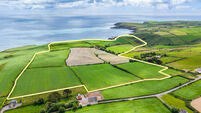
The Funshion drains around 382 square kilometres, or 38,200 hectares, with Mitchelstown in the centre, stretching as far as Kilbeheny, Kilworth, Glanworth, Kildorrey, and Glenroe.
The overall river catchment has 1,400 ha of cereals, 26,000 ha of grassland, and 87 ha of multi-species grassland. This area supports just over 900 farmers.
Actions to reduce nitrogen are needed throughout the Funshion system, which includes the Farahy, Sheep, Behanagh and Gradoge rivers and streams.
According to the EPA Catchments Newsletter report, almost 250 farmers in targeted areas of the Funshion catchment have been visited by an Agricultural Sustainability Support and Advisory Programme advisor, to make them aware of measures to protect local waterways.