Ireland's controls to protect livestock being transported to non-EU countries effective, audit finds
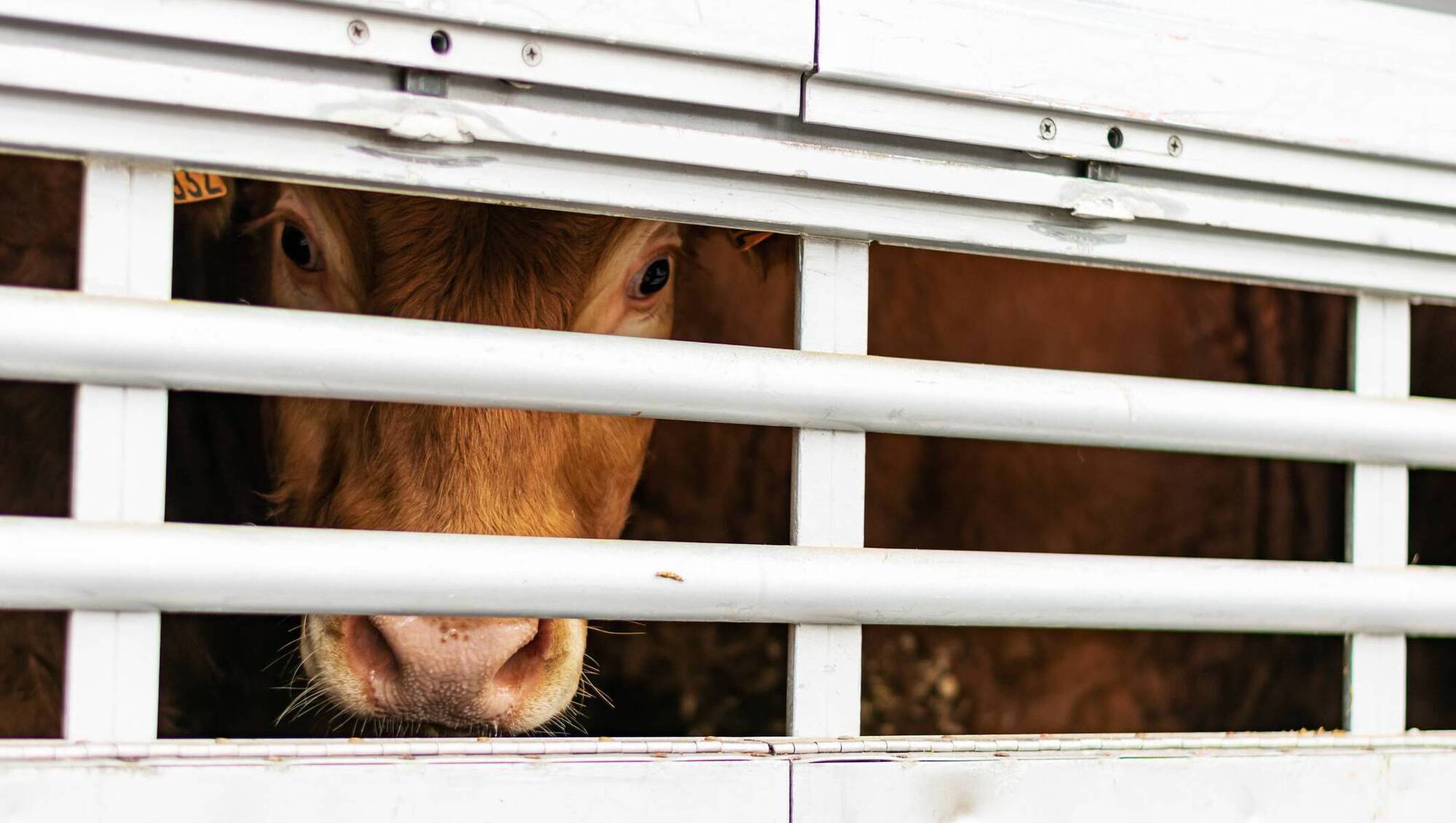
In 2024, Ireland exported 31,131 cattle to non-EU destinations by livestock vessel through three exit points, in 15 shipments.
Ireland’s measures and official controls to protect animals transported by livestock vessels to non-EU countries are comprehensive and effective, according to the latest audit carried out by the EU’s Health and Food Safety Directorate-General.
Effective oversight of the preparation of animals for export, transport operations, livestock vessels, loading activities and selected voyages was reported.
It was noted Ireland's requirements go beyond those of the EU in areas such as vessel stability, weather-related restrictions and vessel approval, reflecting the longer journeys and more challenging sea conditions associated with its exports.
In 2024, Ireland exported 31,131 cattle to non-EU destinations by livestock vessel through three exit points, in 15 shipments. In 2025, these exports fell significantly, with 7,562 cattle in four shipments from two exit points.
The Department of Agriculture is responsible for animal welfare during livestock exports, and its veterinary inspectors oversee assembly centres, loading operations and livestock vessels.
They verify the fitness of animals for transport, assess vessel suitability before departure, and monitor compliance with animal welfare requirements.
Weather assessments, contingency planning requirements, and onboard inspections during selected voyages further strengthen the system.
Read More
The department maintains a group of veterinary inspectors trained in maritime safety.
The EU adopted new rules in 2023 to strengthen animal welfare during sea transport. It has conducted a series of audits to verify implementation of the new requirements.
Department of Agriculture officials aimed to facilitate the opportunity to observe the scheduled preloading and loading of a livestock vessel. However, adverse weather and marine conditions led to repeated postponements of the consignment, making it unfeasible to cover this aspect within the audit.
The auditors found the coexistence of Irish national approvals and EU approvals creates complexity in the recording and communication of vessel approvals. In addition, they found inspectors do not systematically record minor non-compliances identified during inspections.
But the auditors said these shortcomings posed a low risk to animal welfare and did not undermine the system's overall effectiveness.