Succession: How to avoid disputes in the family when one child inherits the farm
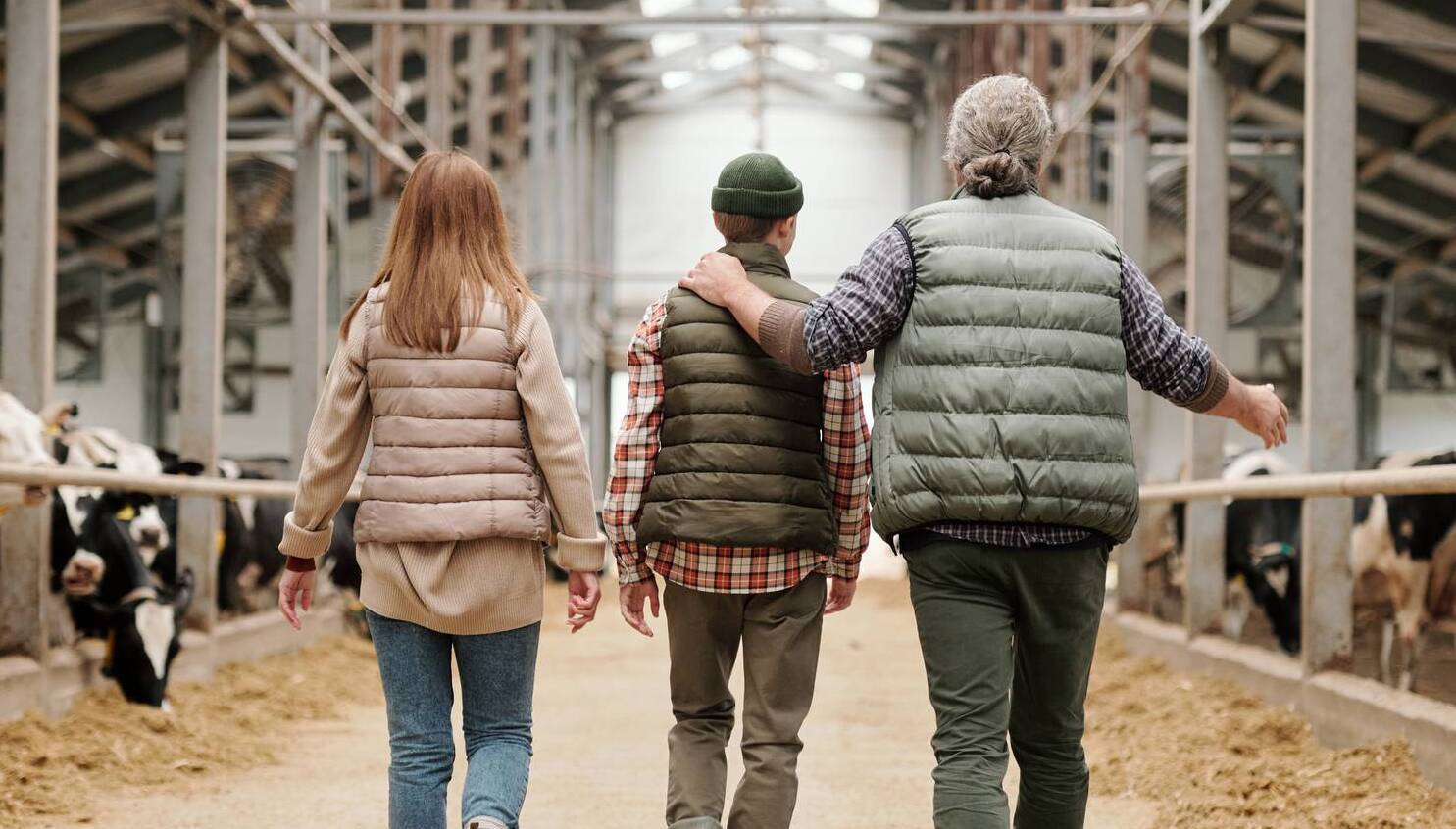
We want to do the right thing by all of our children and avoid disputes in the future.

We want to do the right thing by all of our children and avoid disputes in the future.

Dear JaneMy wife and I own a farm which has been in our family for generations. We have three adult children. One of our sons has worked on the farm with me full-time for almost 20 years, while our other children pursued careers outside farming and have built lives of their own.We are now considering transferring the farm to the son who has worked alongside me, as he is the person who will continue farming the land into the future. While our other children understand this to some extent, we are concerned that they may feel they are being treated unfairly.We want to do the right thing by all of our children and avoid disputes in the future. What issues should we be considering before proceeding with a transfer?

Dear Reader

This is one of the most common questions raised by farming families. Unlike many other types of assets, a farm is often both a family home and a working business. Dividing it equally between several children is frequently impractical and, in some cases, could make the farm unviable as an economic unit.

For that reason, it is very common for a farm to be transferred to the child who has devoted their working life to the farming enterprise and who intends to continue operating it into the future. However, careful planning is essential.

The first issue to consider is whether the proposed transfer forms part of a wider succession plan.

A transfer should not be viewed in isolation. Consideration should be given to your future financial security, retirement needs, housing arrangements and the long-term viability of the farm business.

Communication within the family can also be extremely important. Many disputes arise not because of the transfer itself, but because family members were surprised by the decision or felt they were not informed of the reasons behind it. While these conversations are often difficult, addressing expectations early can prevent misunderstandings later.

Tax is another significant consideration. Agricultural Relief, Business Relief and various Capital Gains Tax reliefs may be available in certain circumstances, but specialist advice should always be obtained before any transfer takes place. A properly structured transfer can result in substantial tax savings, whereas a poorly planned transfer can create unnecessary liabilities.

Parents should also carefully consider what rights they wish to retain. It is common, for example, for transferring parents to reserve rights of residence in the family home or rights relating to the continued use and enjoyment of parts of the property. These matters should be documented clearly as part of the transfer.

Another issue which frequently arises is the treatment of children who are not receiving the farm. In some families, parents may seek to make provision through savings, life assurance policies or other assets. In others, the reality is that the farm represents the vast majority of the family’s wealth and equal provision is simply not possible. Every family’s circumstances are different.

It is equally important to ensure that your will reflects the transfer and your overall succession intentions. A transfer during your lifetime should be considered alongside your estate planning generally to avoid unintended consequences.

  • Jane Bourke is a solicitor practicing in Walsh & Partners, Solicitors, 17 South Mall, Cork and 88 Main St, Midleton, Co Cork (021-4270200). Walsh & Partners also specialises in personal injury claims, conveyancing, probate and family law.
  • Email: info@walshandpartners.ie
  • Web: www.walshandpartners.ie

More in this section

Farming

Newsletter

Stay ahead of the season. Sign up for insights, expert advice and stories shaping Irish agriculture.

Cookie Policy Privacy Policy Brand Safety FAQ Help Contact Us Terms and Conditions

© Examiner Echo Group Limited