HSE warns of high-strength ecstasy and ‘copycat pills’ ahead of District X festival
The HSE is holding its second, and final, harm reduction programme at the District X festival on Saturday and Sunday. Stock image
Young people attending a dance music festival this weekend are being warned about the circulation of high-strength ecstasy and “copycat pills” containing more potent synthetic versions of the drug.
The HSE is holding its second, and final, harm reduction programme at the District X festival on Saturday and Sunday.
The event is set to attract up to 25,000 people from across the country and from both sides of the border.
It is being held at Palmerstown House and Estate, in Co Kildare, about 20 miles south of Dublin city.
The HSE issued two alerts at the Electric Picnic festival, held in Co Laois at the start of the month, highlighting high-strength products and 3-CMC, a synthetic cathinone, being sold as MDMA crystals and powders.
District X is expected to attract a higher level of drug use than Electric Picnic, given the type of music festival it is and the higher concentration of young people.
In a statement, the HSE said its Safer Nightlife Programme will operate a drug-checking service, where festival-goers can anonymously leave drug samples in surrender bins at the HSE Drugs.ie tent to help identify higher-risk substances in circulation, which can then be communicated via digital media at the event.
The statement said: “The HSE is currently monitoring several emerging concerns in the MDMA market. Recent HSE drug-checking results identified high-strength MDMA [the chemical name for ecstasy], copycat pills and powders containing different substances of varying strengths and cathinones, including 3-CMC, being mis-sold as MDMA.
“Synthetic cathinones are chemically modified psychoactive stimulants that are more potent and unpredictable than traditional stimulants such as amphetamine.”
Read More
In addition, it said the HSE was tracking the reappearance of PMA/PMMA in parts of Europe. The substance has previously been linked to severe toxicity, including deaths, in Ireland and abroad.
“As PMA/PMMA acts more slowly than MDMA, people take more and are significantly increasing overdose risk,” the statement said. “The HSE is working with EU partners to assess any potential risk to Ireland.”
At the end of August, Dutch health authorities issued a warning, circulated by British drug charity The Loop, alerting people about ‘Trump’ pills, in the shape of the US President’s head, containing “life-threatening” amounts of PMMA.
Professor Eamon Keenan, National Clinical Lead, HSE Addiction Services, said: “We know the MDMA market is evolving.
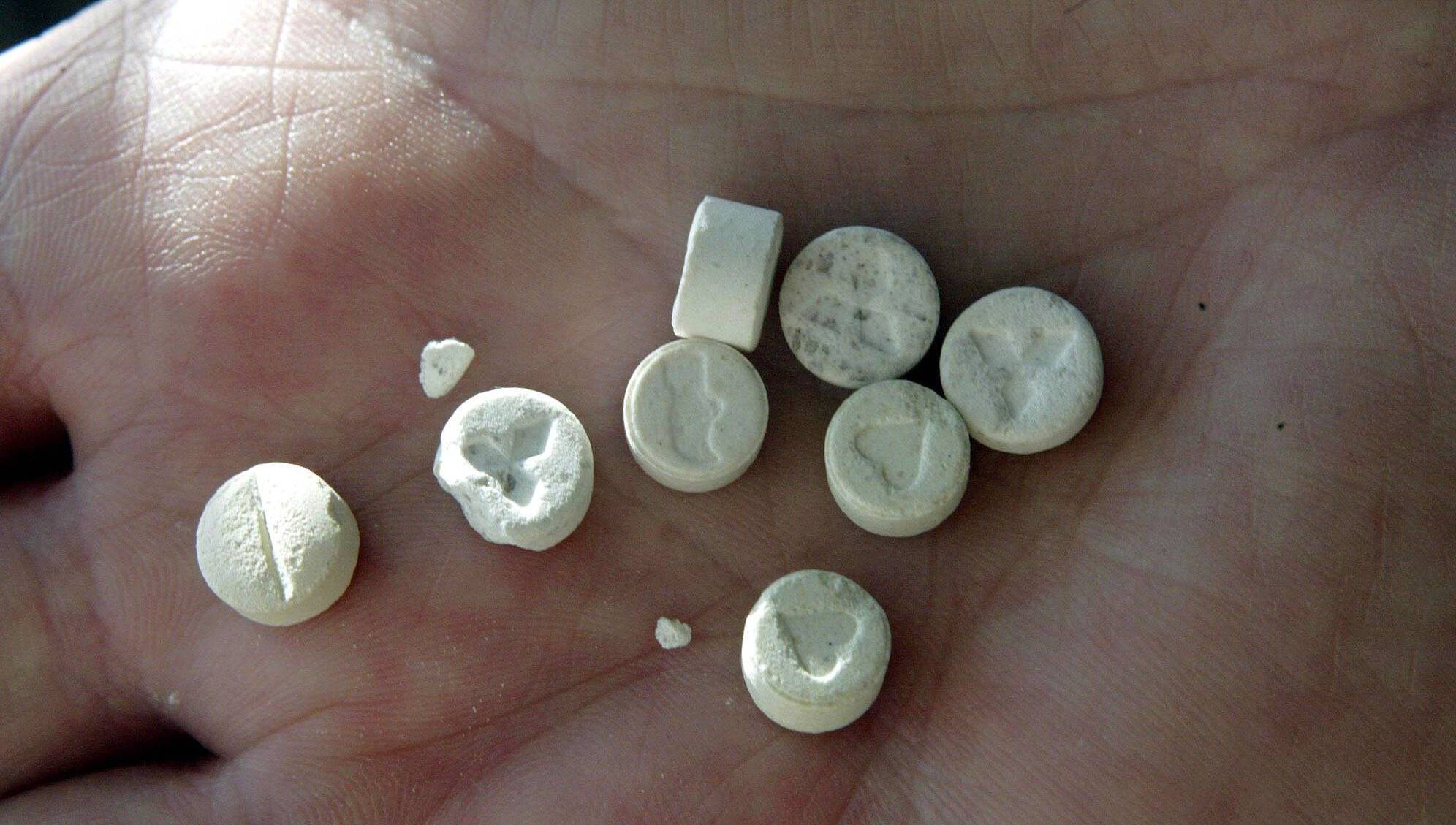
The HSE Emerging Drug Trends Lab has analysed identical-looking pills ranging from containing no MDMA to containing high amounts. People can no longer rely on a pill’s colour, shape, logo or stamp to know what is in it.
“More recently, we have identified further concerns in the Irish drug market, including cathinones being mis-sold as MDMA, and its effects can be unpredictable, such as anxiety, insomnia, paranoia, psychosis, suicidal feelings and difficult comedowns. Our advice remains the same: it is always safer not to use drugs.”
Nicki Killeen, HSE Emerging Drug Trends Manager, said: “We have a long-standing partnership with DX organisers, built on a shared belief in harm reduction. We encourage festival-goers to talk to our HSE teams for the latest harm reduction advice and to contribute a sample at the Drugs.ie tent for on-site analysis.
“For a number of years now the HSE have been providing drug checking at events and in our Laboratory at the National Drug Treatment Centre to monitor the drugs market and provide Public Health advice. This gives us an important role in identifying what is in circulation and issuing alerts about higher-risk substances.”
She added: “Festival-goers can play a vital role by submitting samples in our health spaces at the event and helping us build a clearer picture of drug trends.”

CONNECT WITH US TODAY



Be the first to know the latest news and updates