Farm View: Scottish BSE case an unwelcome reminder of past crisis
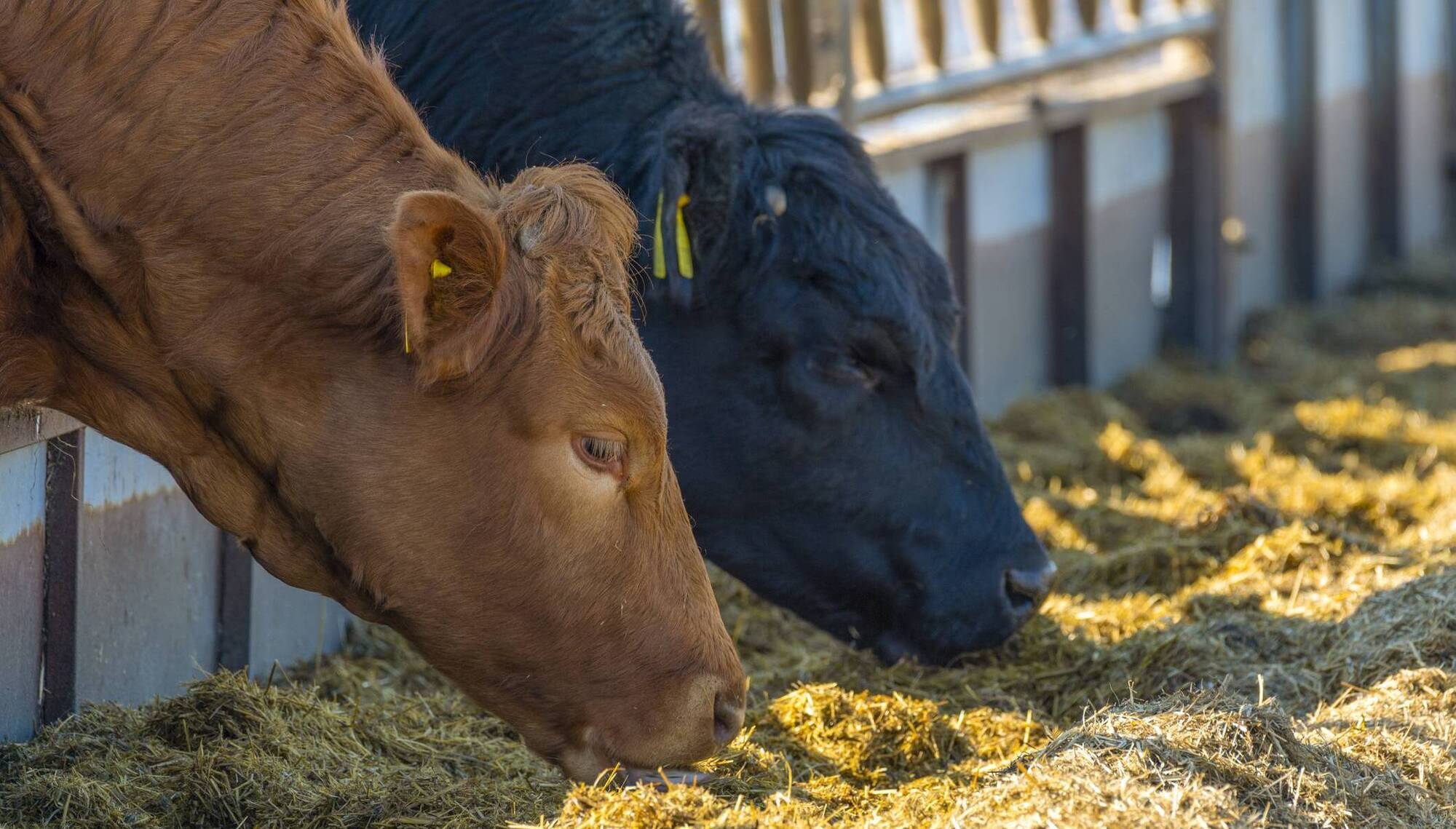
BSE was first reported in Ireland in 1989 and in Portugal and Switzerland in 1990. The disease triggered policy responses worldwide which transformed the beef industry.
The horrors of BSE were revisited last week when a case was confirmed in Scotland.
Worryingly, it is the “classical” form of the disease, which has historically been associated with cattle consuming prion-contaminated feed, rather than atypical BSE, which is believed to occur spontaneously at a very low rate in all bovine populations.
However, researchers have long expected occasional cases of classical BSE (cBSE) could continue to emerge as the epidemic first detected in 1986 entered its final stages.
Efforts to eradicate the disease began with a ban on feeding ruminant-derived protein to ruminants in 1988. Controls were subsequently strengthened, and mammalian meat-and-bone meal was prohibited in feed for all farmed livestock in 1996.
The effectiveness of these measures was evidenced by a rapid and sustained global decline in cases of cBSE from 2001 onwards.
Nevertheless, by 2005, the number of countries which had reported BSE had increased to 24, with the majority in Europe.
The first year in which no cBSE cases were reported worldwide was 2017.
Bluetongue has now been detected on several farms in southwest Scotland, with restrictions placed on livestock movements in affected areas.
Movement, testing and licensing requirements are in place, while, from September 10, susceptible livestock moving from a bluetongue restricted zone into Scotland, or from a temporary control zone to a BTV-3-free area of Scotland, must be vaccinated, subject to limited exemptions.
Bluetongue can cause severe disease and high mortality in sheep, as well as production and fertility problems in infected cattle.
Read More
The cBSE case was confirmed in a cow on a farm in Dumfries and Galloway following routine surveillance.
Precautionary movement restrictions have been placed on the animal’s offspring and cohort at the affected premises, while the Animal and Plant Health Agency is investigating the origin of the disease.
The affected animal did not enter the human food chain and Food Standards Scotland has confirmed the isolated case poses no risk to human health.
All cattle aged over four years who die on farms in Scotland are routinely tested for BSE under the country’s surveillance programme.
Although cBSE has been linked with the emergence of variant Creutzfeldt-Jakob disease in humans, strict controls are in place to protect consumers. These include the removal of specified risk material, such as the spinal column, brain and skull, from carcasses destined for human consumption.
Cohorts and offspring associated with the affected animal have been traced and isolated and will be destroyed in line with legal requirements.
Further investigation will be needed before conclusions can be reached about how the animal contracted the disease.
The detection follows a cBSE case confirmed in May 2024 in a 7½-year-old cow on a beef suckler farm in Ayrshire.
At the time, that was the first case of cBSE in the UK since 2021 and in Scotland since 2018.
In the six years to 2023, the UK recorded only two cBSE cases.
All the evidence indicated the epidemic was caused by feeding cattle with rendered cattle-derived protein meals and the continuing prohibition of this practice makes another epidemic extremely unlikely.
Outside the UK, BSE was first reported in Ireland in 1989 and in Portugal and Switzerland in 1990.
The disease triggered policy responses worldwide which transformed the beef industry.
There was a huge cost associated with the disposal of animals and products, reductions in national herds, trade restrictions and declining market prices and consumer confidence, as well as government support, surveillance and research.
The latest case does not suggest a return to the scale of the historic BSE epidemic, and Scotland’s surveillance system has worked as intended by detecting the animal before it entered the food chain.
However, the confirmation of the classical form means the outcome of the investigation into its origin will be watched closely, both in Scotland and across the wider livestock industry.