Irish farmers asked to be vigilant as UK Bluetongue cases rise
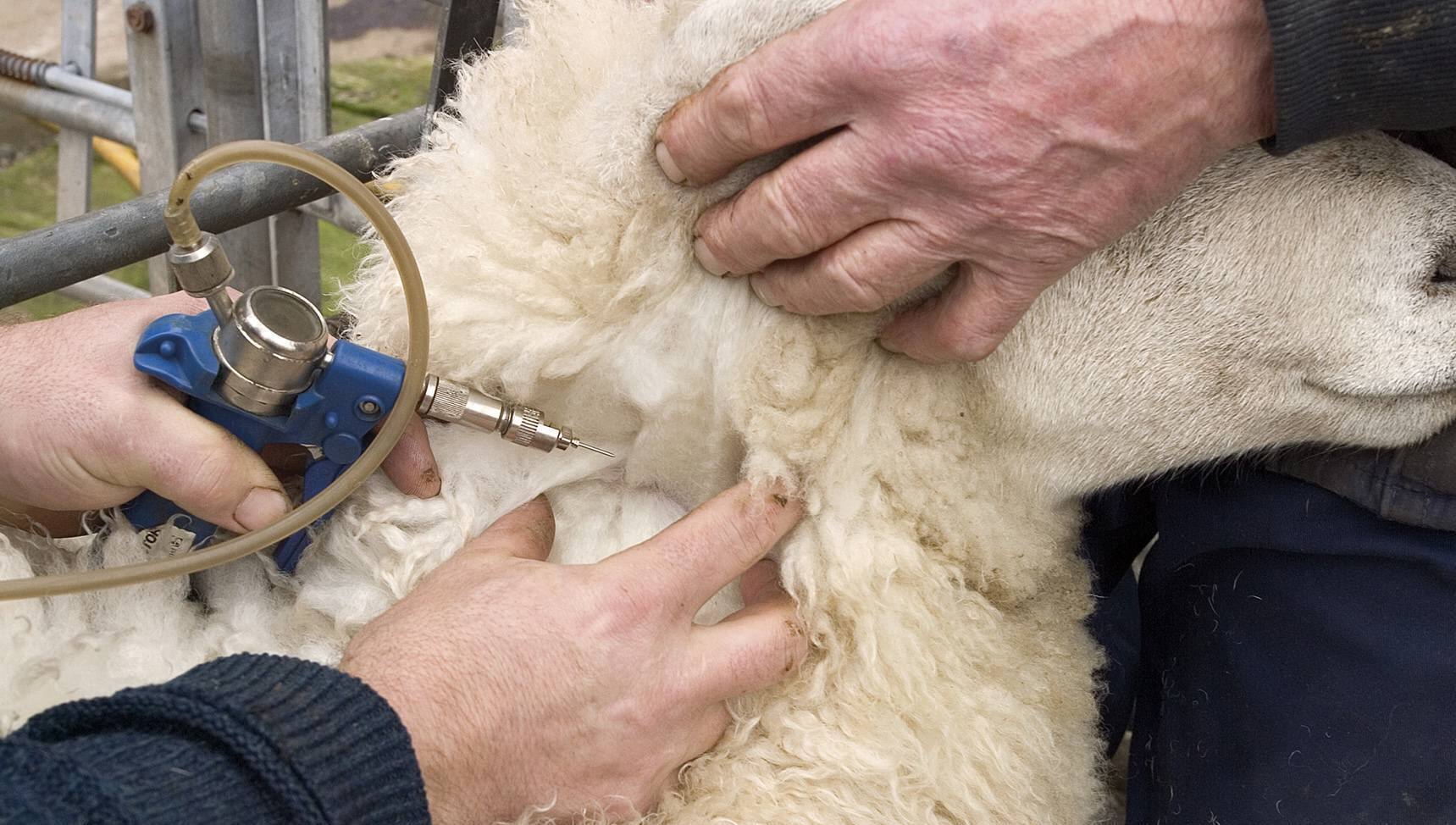
Sheep farmers are encouraged to vaccinate all stock to help minimise the effect of Bluetongue in Irish flocks.
Irish farmers are asked to remain vigilant for clinical signs as the UK reports over 280 cases of Bluetongue (BVT) so far this season.
As of August 10, the department for environment, food and rural affairs (Defra) reported a total of 289 cases of Bluetongue serotype 3 (BTV-3) across the UK in the 2026 to 2027 bluetongue season.
This includes 283 cases recorded in England, five cases in Wales, and one in Scotland.
Northern Ireland currently has no cases recorded.
On August 8, one case of BTV-3 was confirmed in Dumfries and Galloway, Scotland.
This is the first confirmed case in Scotland and was tested following reports of clinical signs.
Defra said an investigation is ongoing to establish the likely source of infection.
Read More
It is working with several organisations due to the high number of reported cases “to understand local pressures, including any emerging issues with fallen stock collections”.
The majority of cases between July 10 and August 9 are concentrated in the south west of the country in counties Devon, Cornwall, and Somerset with 163, 61, and 42 cases respectively.
Speaking to the , Ed Simmons, vet and director of Tibbs and Simmons Veterinary, based in North Somerset, said the situation is not “one of panic, but it is one of deep concern”.
National Sheep Association chief executive Phil Stocker said: “There are no figures on mortality regarding BTV3 — not all cases are being reported, there is a serious time lag between testing and published results, the official numbers of cases are affected premises and not affected animals, and not all these animals die.”
However, he highlighted a Nottingham University survey which allowed voluntary submission of information from farmers, which found “in sheep, farmers are suggesting mortality of <1% up to even 30%.”
In a recent BTV webinar hosted by the Agriculture and Horticulture Development Board, Jenny Schmidt from Torch Farm and Equine reported a mortality range from 0% to 50% of ill animals, with infection rates ranging from 1% to 50%.
In contrast to previous years, the majority of cases have occurred in sheep.
From the 289 cases, 503 sheep,107 cattle and one llama have tested positive for BTV-3.
The majority of cases (284) were discovered through the report of clinical signs.
At the time of writing, the UK currently has 1,527 potential cases of Bluetongue under investigation.
Mr Simmons highlighted frustrations from vets who are waiting upwards of two weeks or more for lab results to report back to farmers and clients on whether animals are positive for BTV.
“There is a huge unprecedented demand on these labs to turn results around,” he explained.
“Trying to source vaccine is a big concern, and hoping that the vaccine has time to take effect before the disease arrives at your door, which is the situation we're really in in North Somerset.”
According to Mr Simmons, the UK is currently trying to source BTV vaccines from Ireland and the EU.
In a joint statement, Mr Stocker and president of the Sheep Veterinary Society, Phillipa Page, said: “The emergence of BTV-3 cases across the UK is rapidly growing.
"The south west is dealing with an unprecedented number of reported cases, and we also know that there is a time lag in reporting, so the situation is far worse than the figures suggest.
It is unfortunate that the likely peak of the disease will coincide with the most active time for the trade of breeding stock across the UK.
"We must acknowledge that there are risks involved with moving animals in the face of a disease outbreak, even though the vector for disease transmission is a midge.”
With the UK experiencing a surge in cases, farmers are being asked to be cautious, particularly with the prolonged hot weather, which is ideal conditions for midges to spread the virus.
A spokesperson for the department said the UK’s situation is being monitored closely.
They reminded farmers that “vaccination remains the most effective measure against BTV” and that to date, the department “has licensed over 5.7m doses of BTV vaccines for use in Ireland,” with “no issues with supply are anticipated”.
Irish farmers, particularly sheep and cattle farmers, are being reminded to keep an eye on livestock and to look for any clinical signs of the disease, which include drooling, lameness, loss of appetite, mouth ulcers, swollen head or lips, and high fevers.
Speaking in an Irish context, Veterinary Ireland food animal chair, Donal Lynch, said: “From the very start, we've been saying that the best control measure is vaccination… this is like insurance; you’re vaccinating to reduce the incidence and severity of disease.”
If the extent of infection doesn’t reach similar levels to the current situation in the UK, Mr Lynch said the expense of vaccination may be considered a waste, but “that's relatively small money in comparison to the effects we're seeing,” when it comes to fertility and foetus losses and effects as a result of infection.
On the likelihood of an outbreak similar to the UK, Mr Lynch said: “Realistically its very difficult to see how it won’t. We know the cases in England; it is reckoned that those cases are carryovers from infection that came in last year. They're not new infections.”
Mr Lynch said that Irish farmers may only start seeing the effect of the virus now after our prolonged period of warm weather, with the biggest concern being the effects on fertility in sheep and cattle.
He went on to advise that at a minimum, all breeding stock should be vaccinated, including bulls and rams.
Mr Lynch also advised that sheep farmers should vaccinate every animal due to their particular vulnerability to the disease.
IFA animal health chair David Hall has urged farmers to remain vigilant as Ireland enters the peak midge activity season.
"We are now in the high vector season, and farmers need to be aware that the risk of Bluetongue transmission has increased significantly,” he said.
Mr Hall highlighted his concern about the "increase in clinical disease in both sheep and cattle”.
“It represents a change from last year when the main impacts of the disease were fertility problems and defects in calves and lambs.
"The increase in animals showing clinical signs is a worrying development and highlights the importance of farmers remaining alert for signs of the disease,” he said.
Mr Hall concluded by commending farmers who have already vaccinated their animals and called on the remaining few who have not to consult with their vet to better protect their animals.