Signpost: Selling lambs takes pressure off scarce grass supplies
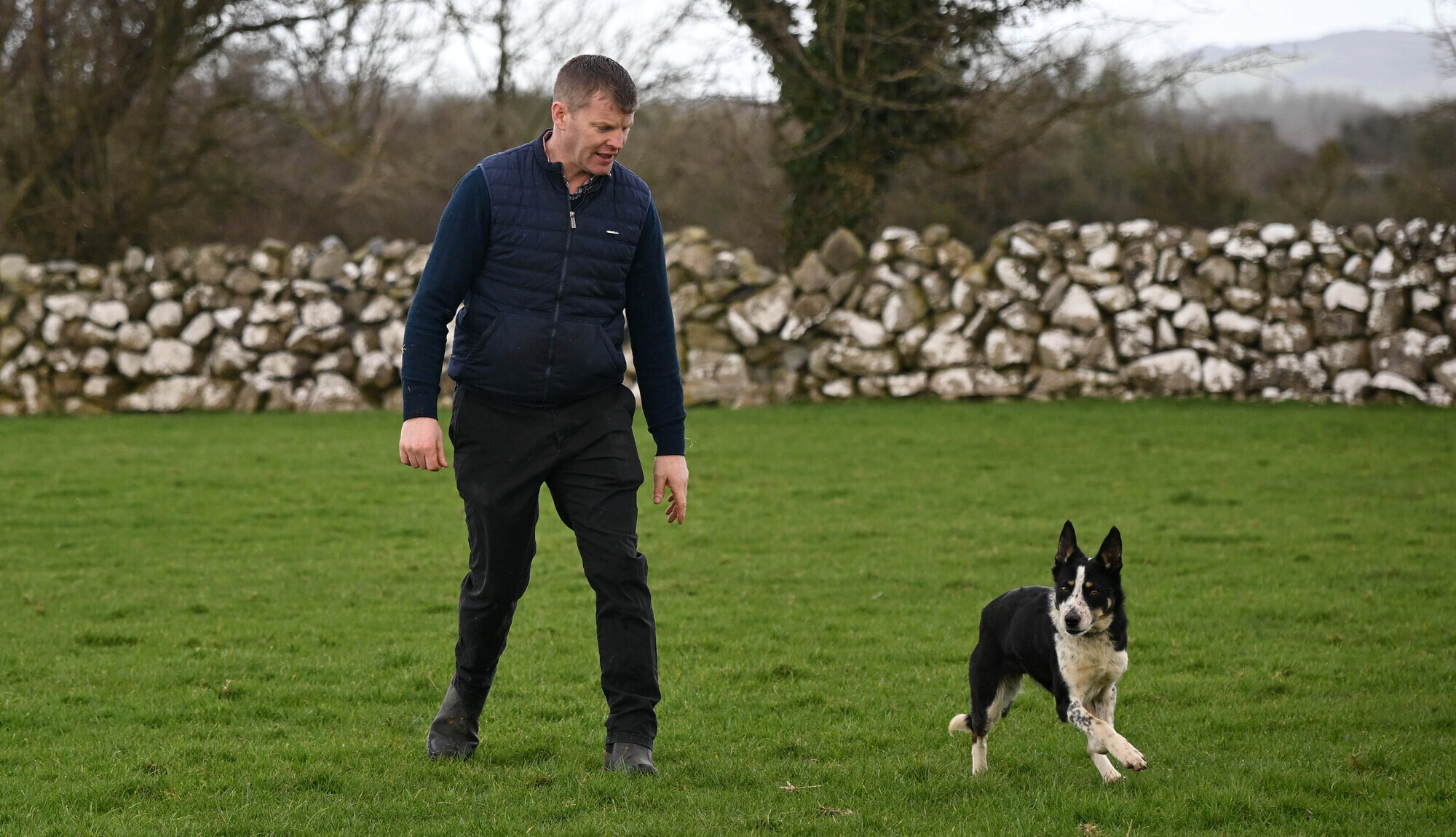
Farmer Michael Forde, Parkhouse, Annagh West, Corrandulla, Co Galway with his sheepdog Lilly. Picture: Ray Ryan
The last few weeks have been very challenging on many farms throughout the country, and our farm is no different.
Grass growth to date is well behind 2025 levels, and this is obvious when I complete the grass-measuring walks.
July is always a month where excess paddocks are baled as surplus bales, and usually this equates to excellent-quality winter feed. While we did get the second cut of silage harvested at the end of July, we often take out additional paddocks as surplus bales.
Grass growth and rainfall are both extremely low. We have received rain here and there, so we are probably still in a far better position than other parts of the country.
Due to land fragmentation, we have a mix of soil types. The blacker or deeper soils are coming into their own this year, while the lighter-type soils are under pressure.
Looking at videos and pictures of farms throughout the country, it is a difficult watch. It’s important that we all do a fodder budget and check that we have enough feed for the winter. I have done my budget, and we have sufficient fodder stocks on-farm this winter.
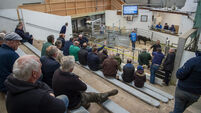
In terms of lambs, we hope to sell another 70 or so lambs this week. Lambs are being moved when they are fit. We also sold some store lambs at the mart to reduce the demand for grass.
We continue to add lambs to the finishing group, where they get the best-quality grass on the farm and some supplementation of meal to try and ensure fat covers are sufficient.
At the time of writing, the last lambs we sold made €8.60/kg, and they are killing to a carcass of 22kg. We are drafting lambs at 47kg to 48kg with a good cover of fat.
Read More
There are talks that pressure may be on lamb prices in the coming weeks, but hopefully this won’t be the case.
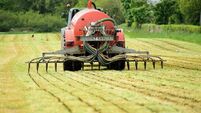
The last round of fertiliser is going out now. We are keeping a close eye on our nutrient management plan to ensure we are always within the limits, with phosphorus being our limiting nutrient when it comes to spreading fertiliser.
We also plan to shear the sheep next week. The weather conditions are favourable for shearing. We are also keeping an eye on the body condition of ewes.
Being part of the Teagasc BETTER Sheep Programme, we record ewe body condition scores on a regular basis, and I have found this a great tool in improving overall conception rates.
We are also keeping an eye on the rams and ensuring that they are fit, healthy and in good condition, as we won’t feel a few weeks passing and the breeding season will commence.
The reseeded field is going very well, and we have harvested silage from this field while also grazing it many times. It is phenomenal the difference between this reseeded field and our lowest-performing paddocks.
I can really see a huge benefit in reseeding, and this is very noticeable when I am doing my weekly grass walks, where I record farm grass covers on PastureBase.
The cattle are doing well also and, while we haven’t weighed them recently, they seem to be really thriving. Grass has been dry and the weather good, and this is evident as cattle seem happy and look to be thriving.
As the weather is good, it has reduced the demand for energy for maintenance when compared to cold and wet weather. These cattle will be put into the shed and finished out of the shed with good silage and ration.
Hopefully, we will receive more rain in the coming days, as we need to start building grass covers again to ensure we have sufficient grass on the farm for September.
- Michael Forde runs a mixed cattle and sheep farm in Annagh West, Corrandulla, Co Galway. His Teagasc advisor is Kevin Fahey. He writes for the Irish Examiner as part of its Signpost Series.


Check out the Irish Examiner's WEATHER CENTRE for regularly updated short and long range forecasts wherever you are.