Simon Harris rejects farmers’ mart VAT ‘mismatch’ concerns

The issue centres around flat-rate farmers (VAT-unregistered farmers) buying and selling cattle at marts
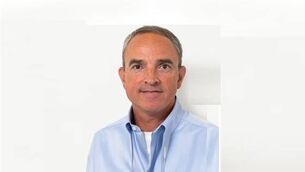
Minister for finance Simon Harris: 'The fact that the flat-rate is currently set at a level which is below the livestock rate does not create any unfairness in tax treatment or mean that farmers are disadvantaged, in the same way as farmers were not advantaged for the many years when the flat-rate was set at levels that were above the livestock rate.' File photo: Leah Farrell/© RollingNews.ie

Minister for finance Simon Harris: 'The fact that the flat-rate is currently set at a level which is below the livestock rate does not create any unfairness in tax treatment or mean that farmers are disadvantaged, in the same way as farmers were not advantaged for the many years when the flat-rate was set at levels that were above the livestock rate.' File photo: Leah Farrell/© RollingNews.ie

Farmers’ pre-budget pleas for an end to a VAT “mismatch” in marts may have fallen on deaf ears, with Tánaiste and finance minister Simon Harris saying there is none.

He explained that when a flat-rate farmer (a VAT-unregistered farmer) sells cattle at a mart which is VAT-registered, the flat-rate farmer will be entitled to charge and keep the flat-rate addition, which since January 1, 2026, has been 4.5%.


But when a flat-rate farmer buys livestock from the mart, the VAT rate applicable is the livestock rate of 4.8%.

“The deputy is asking about the sale of cattle through marts. Under VAT rules, where a farmer sells cattle at an auction, such as at a mart, the sale is treated for VAT purposes as being two transactions. Firstly, a sale by the selling farmer to the auctioneer, followed by a subsequent sale by the auctioneer to the purchaser.”

Minister Harris’s explanation was given to Cathy Bennett, a Sinn Féin TD for Cavan-Monaghan. In a parliamentary question before the Dáil adjourned in mid-July, she said farmers incurred additional tax, that disincentivises the sale of cattle through marts.

The minister responded: “I understand that the deputy is concerned about a perceived mismatch between the level of the flat-rate addition, which since January 1, 2026, is 4.5%, and the livestock rate.

“These are two separate concepts that serve different purposes, and they are not intended to be matched. 

"The fact that the flat-rate is currently set at a level which is below the livestock rate does not create any unfairness in tax treatment or mean that farmers are disadvantaged, in the same way as farmers were not advantaged for the many years when the flat rate was set at levels that were above the livestock rate.”

Under EU requirements, the flat-rate percentage is reset annually to ensure that farmers unregistered for VAT are compensated for the VAT they pay on farm inputs.

This allows them to remain unregistered, thereby avoiding the burdens of VAT registration and filing, and yet be compensated for the VAT they incur in the course of their business (which ranges from zero to 23%).

The minister said there is no need to have a direct alignment between the flat-rate compensation and any particular VAT rate.

He also noted that the VAT treatment of goods and services is subject to EU VAT law, with which Irish VAT law is obliged to comply. In accordance with the EU VAT Directive, farmers can elect to register for VAT or can remain unregistered.

He said unregistered farmers are not permitted to apply the flat rate addition in respect of supplies made directly to other unregistered farmers, as distinct from through a mart.

“This in no way restricts the potential for sales between VAT unregistered farmers, but it does mean that the seller does not benefit from the flat-rate addition.

“While sales between VAT unregistered farmers do not have any VAT implications, they would in all other respects be a normal business transaction with normal obligations arising regarding record-keeping and any other relevant tax compliance matters.”

Tax Strategy Group response

The matter has also been addressed recently by the Tax Strategy Group (TSG) of senior officials and political advisers, chaired by the Department of Finance, which prepares options as part of the Budgetary process.

The TSG said the 4.8% VAT rate for the sale of livestock historically was the same or lower than the farmer’s flat rate. But the flat rate was cut to 4.5% in Budget 2026, and is now below the sale of livestock VAT rate.

The TSG said: “Due to the business model operated by livestock auction marts, farmers who opt to remain unregistered for VAT will suffer the difference between these two rates, that is, 0.3%, when they sell through livestock marts. This means they may now prefer to engage in direct sales to other farmers, or sales to factories.

“While the individual difference on any one sale is currently marginal, where a farmer is making multiple sales, there may be a sufficient difference to drive sales to channels other than marts.

“There is a knock-on administrative consequence to private sales, as the details recorded for private sales are not comparable to the details recorded when sales are made via a mart.

“While the flat rate addition will ultimately account for this difference, it may present a barrier to livestock sales for some farmers, especially those who do not want to sell privately.

“There is scope to reduce the livestock rate down to match the flat rate payment. It should be noted that the flat rate is calculated based on the estimated VAT liability for farmers over three years, including that applied to livestock.

“The work on the rate for the farmer’s flat rate addition scheme is likely to be finalised in September 2026. The flat rate could increase or decrease, depending on the macroeconomic figures used to calculate the rate.

“A very tentative estimate suggests that every 0.1% reduction in the livestock rate will cost €660,000. The estimated cost of reducing the livestock rate to equal the current farmer’s flat rate of 4.5% is €2 million."

x

More in this section

Farming

Newsletter

Stay ahead of the season. Sign up for insights, expert advice and stories shaping Irish agriculture.

Cookie Policy Privacy Policy Brand Safety FAQ Help Contact Us Terms and Conditions

© Examiner Echo Group Limited