Hot weather: Protecting livestock, farmers and machinery in a heatwave
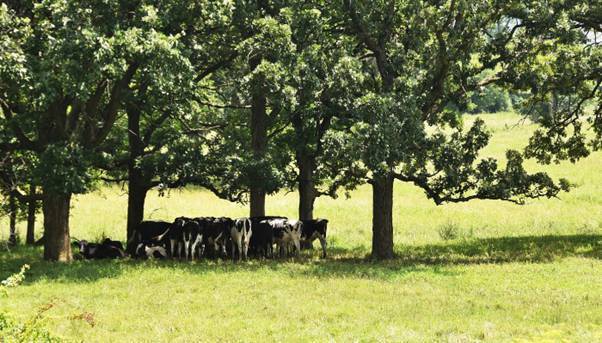
Provide suitable shade or shelter wherever possible. Young, old or sick animals may need to be moved to areas with additional shelter where they can be monitored more closely.
This week we share practical advice to help protect livestock, farmers and machinery during the hot weather.
Ensure livestock have a plentiful supply of drinking water. Water demand increases significantly during hot weather, so additional drinking points or increased water flow may be required.
Check water troughs more frequently to ensure they are working properly and that water pressure is adequate.
Read More
Monitor livestock for signs of problems with water supply, including queuing or crowding at drinking points.
Provide suitable shade or shelter wherever possible. Young, old, or sick animals may need to be moved to areas with additional shelter where they can be monitored.
Livestock and horses in holding areas should have access to shade and holding times should be kept to a minimum. Outdoor poultry should also have access to shade.
Outdoor pigs require access to a wallow, particularly when temperatures exceed 25C, as they are especially vulnerable to heat stress.
Minimise handling and transport. Moving or handling cattle and other livestock can increase body temperature from 0.5C to 3.5C, increasing the risk of heat stress.
If handling is unavoidable, carry it out during the cooler parts of the day, either early in the morning or late in the evening. Avoid transporting livestock during periods of extreme heat where possible.
Where automatic ventilation systems are in use, increase the frequency of checks on alarms and back-up systems.
Intensively housed pigs and poultry require particular attention. Monitor housing temperatures closely and adjust ventilation as required.
Reduce stocking density if necessary to improve airflow and reduce the heat generated by the animals themselves.
Check livestock more frequently for signs of illness or heat stress. Animals at greatest risk include young, dark-coloured or pregnant animals, those recovering from illness, pigs and high-yielding dairy cows.
Signs of heat stress include rapid breathing or panting, reduced appetite, increased water intake, drooling, lethargy and, in severe cases, collapse or unconsciousness.
If an animal is showing signs of heat stress, act quickly. Move it to shade or shelter, provide cool drinking water and, where appropriate, use sprinklers for cattle, pigs and horses or allow them to stand in cool water.
Increase ventilation for housed livestock, particularly pigs and poultry, and reduce stocking density to allow animals to lie comfortably. If there is no improvement, seek veterinary assistance immediately.
Avoid strenuous outdoor work during the hottest part of the day, between 11am and 3pm.
Wear lightweight, loose-fitting clothing that covers exposed skin, along with a wide-brimmed hat and sunglasses.
Protect exposed skin by applying water-resistant sunscreen regularly. Use at least SPF 30 for adults and SPF 50 for children.
Take regular breaks in the shade if possible and stay well hydrated by drinking plenty of fluids throughout the day.
Check machinery regularly for overheating bearings, belts and other components that could increase the risk of fire.
Remove dust and debris build-up from machinery frequently and take extra care with hot exhausts and catalytic converters when working in dry hay or standing crops.
- Siobhán Kavanagh is with the Teagasc Signpost programme