Brian Reidy: Native cereals always good value and always top-quality feed
Regardless of the price of grain off the combine, native Irish cereals are the most versatile high-energy feeds that farmers can grow or buy.
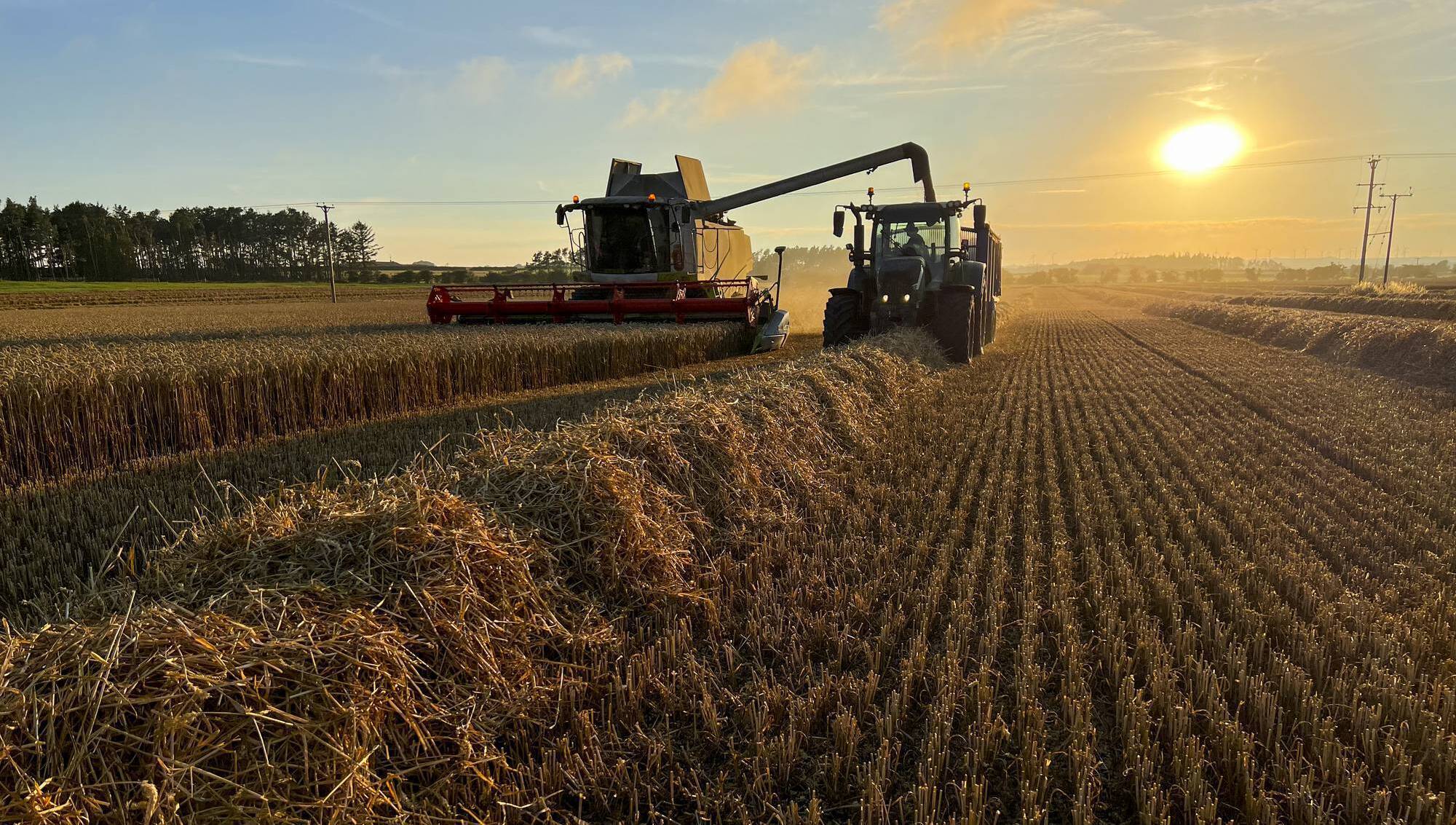
The combines are rolling and the winter barley is more or less complete around the country as we head into mid-July.
Yield reports are good in these winter barleys, which will be very welcome for the growers, with anticipated prices unfortunately remaining low.
Spring crops will be a few more weeks away, and while many of these crops had initially struggled from late sowing, they have really improved in recent weeks with the good spell of weather.
Each year, as I discuss winter feed requirements with customers, I always try to encourage them to consider locally grown cereals as a means of reducing the production costs of milk and beef, while also helping to boost animal performance.
This idea really must be encouraged and can mean a better margin for those growing the grain, while also reducing costs for the end users feeding the grain.
There is no reason why more don’t link up with local growers to cut out the middle margin, which is often simply for handling, storing and delivery, which could all be done directly from the field straight to the end user.
Now is the time to start exploring these options and not when it is too late and the combines are harvesting at full tilt.
Regardless of the price of grain off the combine, native Irish cereals are the most versatile high-energy feeds that farmers can grow or buy. Margins are much tighter in beef and dairy in 2026, so what can you do to make savings and enhance animal performance and overall farm profitability?
Traditionally, grain was dried or stored on air at moisture levels of 18% or lower. Innovative technologies have been developed over the last number of years regarding additive type, processing methods and storage options have left native grain as the most cost-competitive concentrate feed source available for all classes of livestock.
This is as relevant in 2026 as any other year. No matter what the price is off the combine the same mark-up per tonne is added to it by the time it is dried, stored, processed and delivered back out to you.
That then results in you making the same saving per tonne regardless of whether the price of green grain is high or low off the combine. Dairy and beef farmers that store their own grain or purchase grain in whatever form from neighbouring cereal farmers can make significant savings, as much as €70 to €80 per tonne in their winter concentrate costs.
Irish barley, wheat, oats, rye and triticale are of outstanding quality and value and provide top-class energy for stock in a correctly balanced diet. The requirement for balancing in most cases will be limited to the addition of some protein and minerals, depending on the animals being fed and the volumes required.
Whatever hope we have going forward, we really must utilise more locally grown feed and aim to eliminate far inferior feeds being shipped in from around the world. If we put better ingredients in our rations, we can get performance from less kgs of feed alongside good quality homegrown forages.
As I wrote above, there are lots of treatment and storage options out there now. With all grain processing options, seek expert advice when considering which one is best for you and your livestock next winter and into the spring. This applies to feed value, ease of storage, operator safety and reliability of the process.
Do the sums and see how much your farm could potentially save. Speak to others growing, buying and storing locally grown cereals and discover that it makes nutritional and financial sense to do it.
It also lowers the carbon footprint of your production, even if, right now, you won’t get any credit for shopping local; hopefully this will be a real incentive over time.
- Brian Reidy is an independent ruminant nutritionist at Premier Farm Nutrition. His column features in the every Thursday.