Fear for future of marts amid reports of falling sales
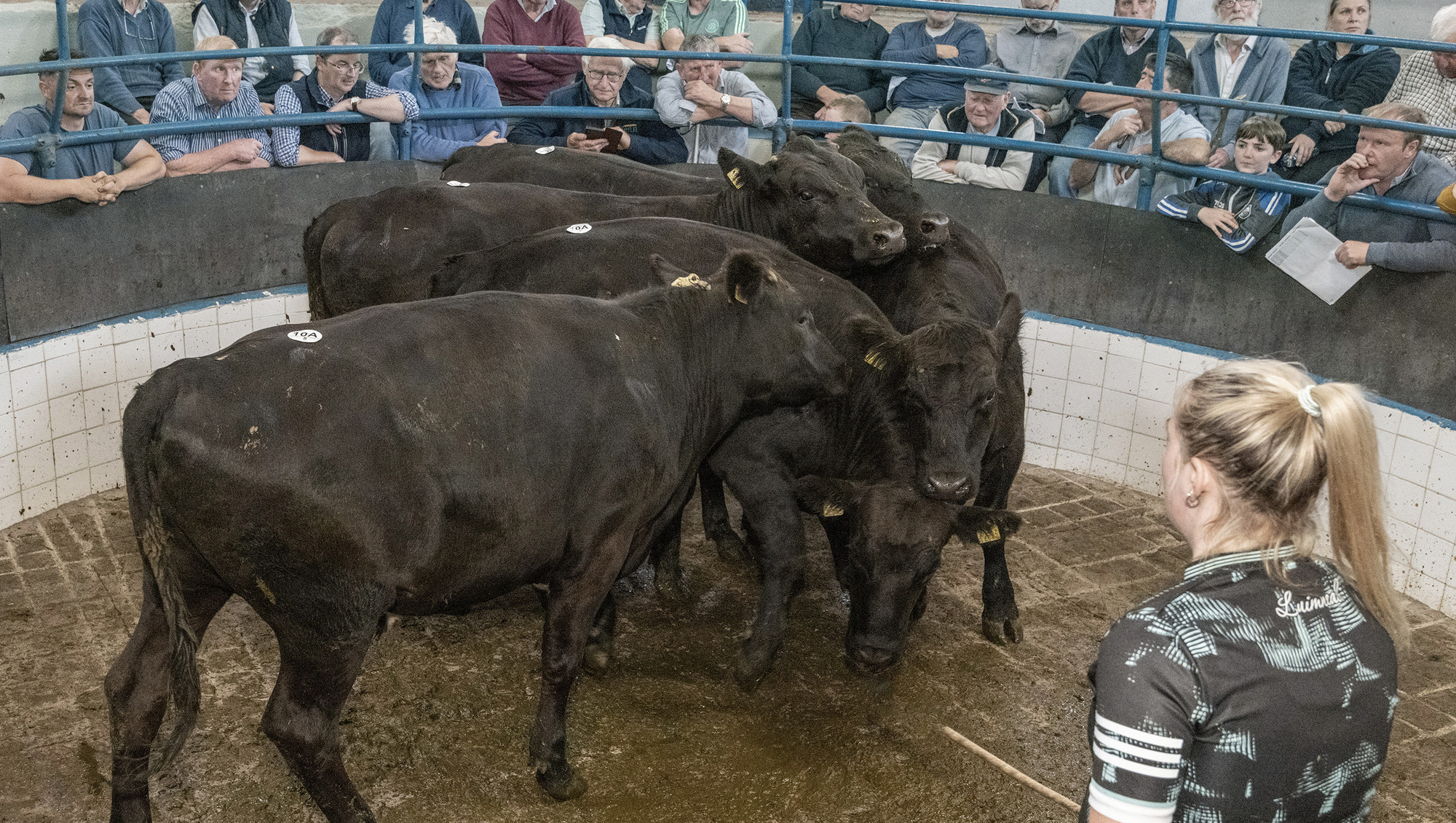
Livestock markets have long been a pillar of country life. File picture: O'Gorman Photography
The closure of post offices, Garda stations, shops, branch creameries, and pubs has had a devastating impact on rural communities across the country over the past 60 years.
And now there are fears for the long-term future of some other pillars of country life — livestock marts.
It is well established that going to the mart to sell cattle or just to meet and chat with friends and neighbours helps to boost the spirits of farmers who sometimes feel isolated and lonely.
Cork South West Fianna Fáil senator Margaret Murphy O'Mahony recently called in the Upper House for a discussion with agriculture minister Martin Heydon.
“Many marts are now reporting a loss in sales of up to 13%, which is huge. Anyone who is from a rural area knows the importance of the mart.
“It provides employment, which is obviously very important, but it is also a social outlet for many farmers.
“There is a big social aspect as well,” she said, adding that she would like the Senate to discuss the commercial outlook of the marts with the minister.
House deputy leader Senator Fiona O’Loughlin (FF) said the marts play an important part, not just in terms of business, but as a social point for farmers and their families.
She recalled that former minister for agriculture, Charlie McConalogue, visited every single mart in the country.
“On those occasions, he held a meeting with all public representatives and those within the IFA and farming communities.
“That was an important initiative because it brought Oireachtas members and councillors from all parties into marts.
“These politicians may never have been in a mart before, but it gave them a sense of the value of marts to the community.
“We certainly need to put in supports to ensure that marts are valued and viable,” she said.
The Irish Farmers Association has, meanwhile, announced the rollout of its 2026 farmer health checks programme at marts and agricultural shows countrywide.
It followed the award of funding by the Department of Agriculture under the recent open call for farm safety, health, and wellbeing projects.
Between now and the middle of October, the mobile health unit will visit these venues, making it easier for farmers to access the services in their own communities and in familiar locations.
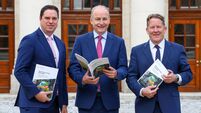
Minister of State Niall Collins, speaking at the launch of the programme — which the IFA will deliver in partnership with Croí Heart and Stroke Charity — said it had been very successful over the past two years.
It demonstrates that engaging with farmers on their health and wellbeing at locations such as marts and rural shows is an effective way of encouraging them to prioritise their health, he said:
IFA president Francie Gorman urged farmers to attend their nearest clinic and make their health a priority.
He said there is a real appetite for accessible health services delivered in locations that fit around busy farming schedules.
Taking time to look after their own health should be seen as an investment by farmers in themselves, their family and their farm business, he added.
IFA Farm Family and Social Affairs chair Teresa Roche said farming can be physically demanding and often isolating, with long working hours and limited opportunities to focus on personal wellbeing.
“This programme is about making health checks accessible, practical and relevant to farmers where they already are.
“We want to encourage farmers to view looking after their own health as an important part of looking after the farm and family,” she said.
Croí Heart and Stroke Charity chief executive Mark O’Donnell said prevention of cardiovascular disease through risk factor management is at the core of everything it does.