Rural Ireland loses its 'social anchor' as more pubs close
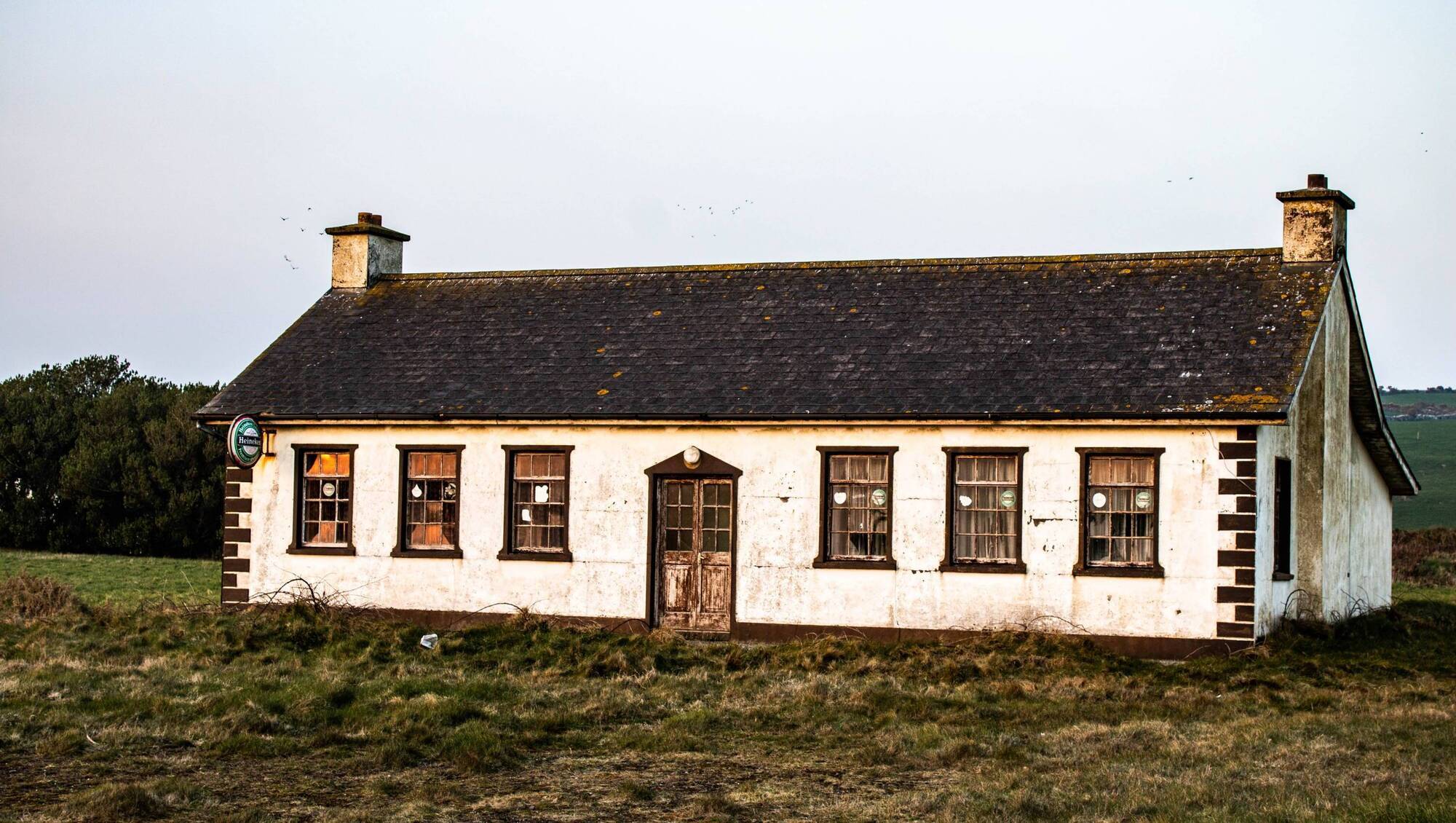
Ireland faces a rural crisis as more than 2,200 pubs close since 2005, impacting communities and social hubs, prompting Government action
More than 2,200 pubs have closed across the State since 2005.

More than 2,200 pubs have closed across the State since 2005.

More than 2,200 pubs have closed across the State since 2005, with closures now accelerating to about 128 per year.

Vintners Federation of Ireland chief executive Pat Crotty recently disclosed almost 400 pubs in Cork alone have closed their doors since 2005.

“When a rural pub closes, a community loses more than a business — it loses a social anchor,” he said.

Waterford Sinn Féin TD Conor D McGuinness highlighted the issue in the Dáil, where he said the rural pub was a meeting place, a social hub and a venue for music, sport and local culture.

“It is sometimes the last remaining indoor public gathering space in a village or rural community,” he said.

Rural affairs minister Dara Calleary said he was aware of the recent figures from the Vintners Federation of Ireland.

He said he agreed with Mr McGuinness's analysis in that regard and noted the VFI made a written submission to the consultation process that minister of state at the department Jerry Buttimer and he had opened last year.

The new rural future policy will take a whole-of-Government approach. It will include actions to support the economy and communities, including isolation.

It is underpinned by funding through his department's rural investment and community development programmes, as well as an array of funding streams across Government.

Mr Calleary said rural pubs played an important social role and he was conscious of the challenge of rural isolation. The department has a range of funding streams to help address the issue.

These supports include local enhancement, community services, social inclusion activation, and the seniors alert programmes.

“There is no doubt that our significant investment in the community centre investment fund in recent years has helped to ensure our rural areas have high-quality facilities that serve as focal points for communities,” he said.

Mr Calleary said the development of Our Rural Future policy would continue to provide a framework for continued investment in communities in the coming years. The policy and its associated action plan are nearing completion.

Mr McGuinness said the impact of a rural pub closure was not just limited to the licence holder or business, or just the loss of enterprise, economic activity and employment.

“The community loses its social anchor in many respects. In rural areas, older people, single men, farmers, musicians, local sports clubs, tourists and community groups all lose a space.

“This is particularly serious given that Ireland has been identified as having the highest prevalence of loneliness in a recent European survey. Rural isolation is already one of the great hidden social crises in this State.

We cannot say that we are serious about tackling loneliness while allowing rural social infrastructure to disappear.

"I am not asking the minister or the Government to take responsibility for every tax or cost-cutting measure affecting pubs or for everything that is happening.

"But the minister's department and the Government must recognise rural pubs as part of the social and community fabric of rural Ireland,” he said.

Mr Calleary said the Government was very committed to investing in rural social infrastructure.

That is why it is opening the €25m community centre investment fund. It has also invested up to €3,000 per shed for 369 men's sheds across the country.

He said the VFI had also highlighted excise duty, the need for a rural transport plan, capital supports for rural pubs, and support for pubs as community venues.

“In the context of the transport plan, we are having engagement with minister Darragh O'Brien.

“Pilot schemes are running in both Killarney and Achill with the TFI Anseo app, which is effectively providing a bus-on-demand service to a certain extent.

"We will look at that pilot and, ideally, we will expand it around the country, specifically to rural areas. That will assist the viability of rural hospitality venues,” he said.

The work being done by Local Link to expand its services and, more importantly, expand the flexibility of its services in recent years would continue, he said.

x

More in this section

The Business Hub

Newsletter

News and analysis on business, money and jobs from Munster and beyond by our expert team of business writers.

Cookie Policy Privacy Policy Brand Safety FAQ Help Contact Us Terms and Conditions

© Examiner Echo Group Limited