Over 1,000 fewer TB restricted herds reported in June 2026
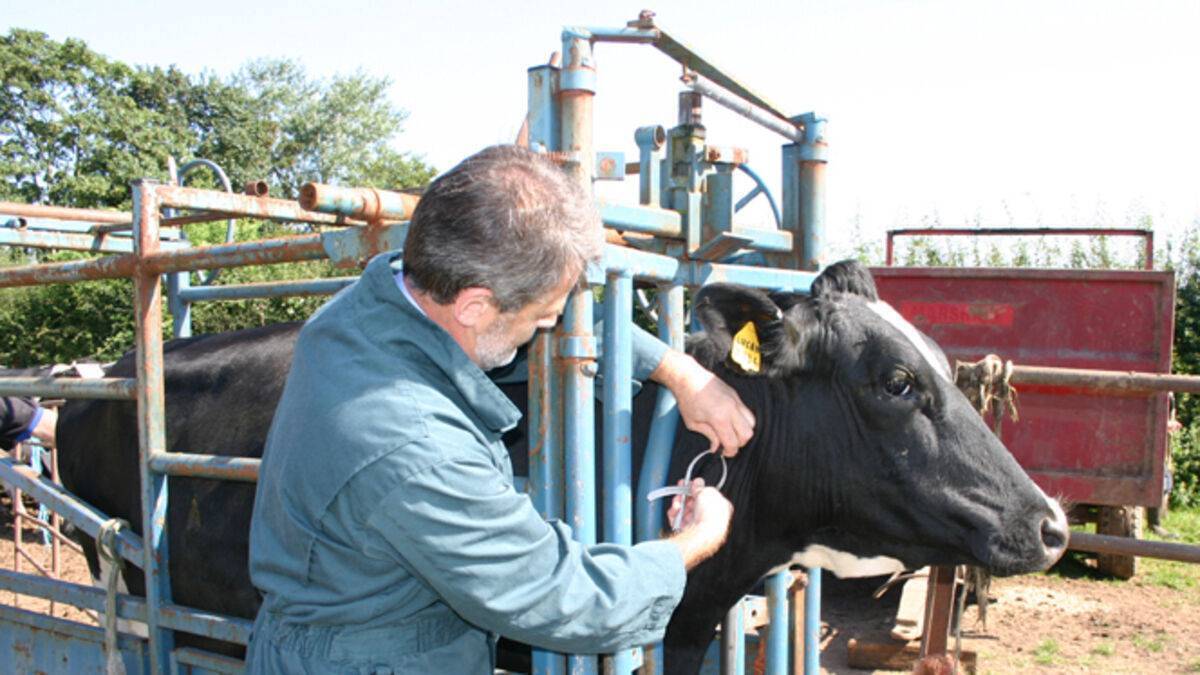
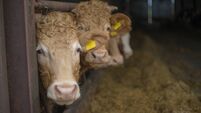
The department has reported that in the 12 months to June 2026, only 5,300 herds were restricted with bTB.
There are over 1,000 fewer herds restricted with bovine TB (bTB) in the last 12 months to June compared to the same period the year before, according to the latest national statistics.
Data provided by the Department of Agriculture showed a total of 5,300 herds were restricted due to bTB in the 12 months ending June 28, 2026, compared to the reported 6,449 restricted herds recorded in the previous period, the year before.
This is a decline of 1,149 restricted herds recorded in 2026. In the 2025-26 period, there were 22 herds depopulated due to bTB. As a result of these drops in figures, herd incidence has also declined from 6.40% on June 29, 2025, to 5.32% recorded for June 28, 2026.
As of June 2026 (on a 12-month rolling basis), the number of herds that had at least one herd test and tested clear is 94,338. In the June 2024-25 period, 100,739 total herds had at least one herd test and in the 2025-26 period, 99,638 herds had been tested.
Read More
Within the same periods, the number of bTB reactors recorded dropped from 43,290 to 34,886.
Irish Farmers’ Association (IFA) Animal Health Chair David Hall welcomed the drop in figures, describing it as “good to see”, but said part of the decline could be attributed to “the natural cycle of the disease.”
“We've gone through two years of them [bTB figures] continually rising, so it's good to see the tide has turned,” Mr Hall said.
Across the last five years, 2024 remains the year with the highest herd incidence so far at 6.04%, followed by 2025, which reported 5.72% herd incidence. Herd incidence recorded in 2023, 2022, and 2021 was 4.94%, 4.31% and 4.33%, respectively.
Although the IFA animal health chair says it’s too early to equate the drop in numbers to minister Heydon’s new TB Action Plan, he said the move within the wildlife programme to capture, test, vaccinate and release badgers has been deemed a better approach compared to previous years, where badgers were not tested.
Provisional badger capture figures, in culling and vaccination areas for the second quarter of 2026, were also released by the department, recording 4,991 badgers were captured in badger vaccine areas in 2026, an increase from the 4,820 recorded in 2025 and 3,684 captured within badger culling areas compared to the previous year’s 3,759.
“Vaccinating animals that are clear of TB, we would feel, is a much better approach. There's no point in culling healthy animals other than to reduce the density of the population... But the bigger problem is diseased animals being left.
The next thing you know, you have a huge outbreak within the wildlife population, which spills over into the livestock population, which spills back into other wildlife, in a vicious circle,” Mr Hall explained.
Total expenditure for quarter 2 (Q2) of 2026 has dropped by 7% from €52m in Q2 2025 to €48.5m in the same period in 2026.
The largest decrease in expenditure was seen in research, supplies and tuberculin, vet fees and compensation, which saw drops of 94%, 47%, 29% and 25% respectively.
Research dropped from €682,000 in 2025 to €39,000 for Q2 2026. Supplies and tuberculin amounted to a total expenditure of €1.8m in Q2 2026 from €3.5 in 2025.
Alongside the drop in the number of herds tested in the past year to June, vet fees for Q2 dropped from €8.6m in 2025 to €6.1m in 2026. Compensation also fell from €7.7m in 2025 to €5.7m in 2026, coinciding with the lower number of reactors recorded.
On market valuation increased by 11% from €26.1m in Q2 2025 to €28.9m in 2026. Wildlife expenditure increased by 1% to €4.1m for 2026.
Valuer fees dropped by 11% between the two years to €443,000 in 2026. The expenditure category that saw the highest increase in Q2 was ‘other costs’, which rose by 62% from €718,000 in Q2 2025 to €1.1m in 2026.