When 5,000 cattle is small: the global beef divide facing Irish farmers
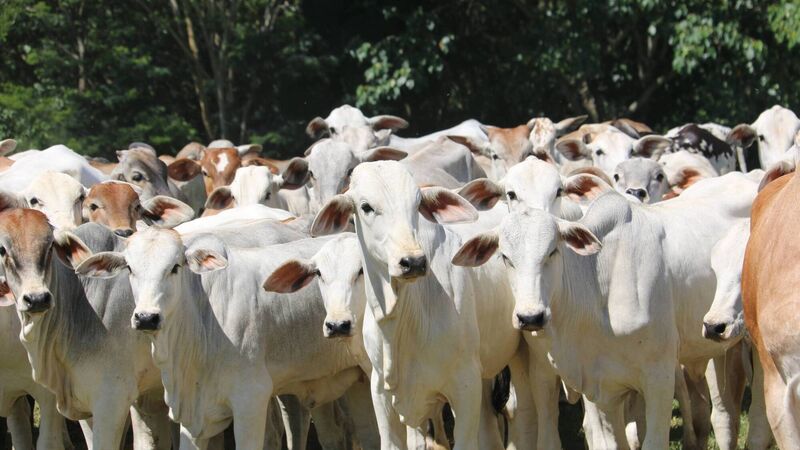
Cattle on a farm in Paulínia, Brazil. Picture: Rachel Martin
On an Irish farm, 100 cattle might sustain a family business.
Here, in Buenos Aires, 5,000 barely qualifies as “medium scale”.
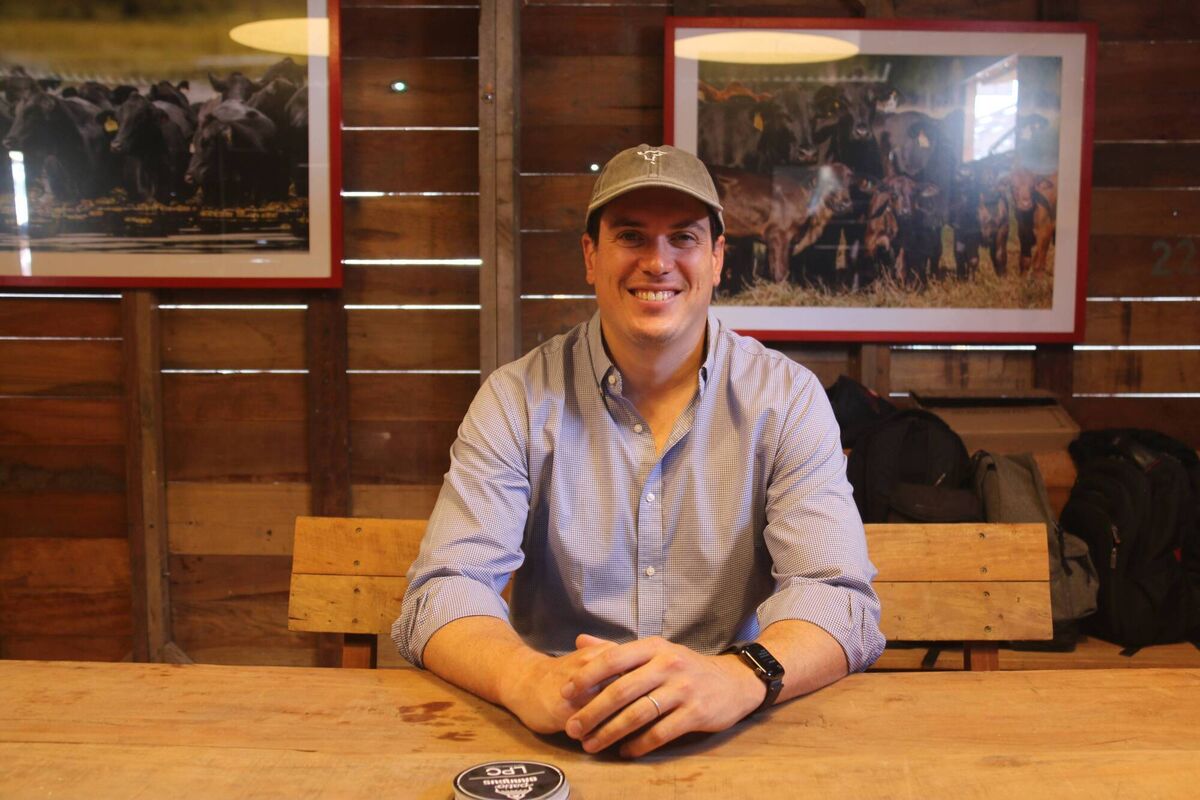
Santiago Goldstein, vice president of the Brangus Breeders Association of Argentina, runs 5,000 head of cattle across six farms, spanning 15,000 hectares — a “medium producer” he explains, in a country where some ranches hold 50,000 cattle.
“Argentinian people are the most beef-eating people in the world… We are sick for meat,” he says, laughing with pride.
But that pride comes with history: Argentina’s beef industry has historically been hindered by political restrictions, price caps, and export bans.
Four decades ago, Argentina’s cattle totalled 60-70m head.
Today, it sits at just over 52m — a decline driven by a series of government interventions.
Goldstein explained: “The leftist government thought that when beef prices started going up, the way to help people eat meat was closing exports.
"In 2006, meat exports were closed, and it was a disaster. Lots of producers went bust.”
Meanwhile, in neighbouring Brazil, the biggest of the four Mercosur countries, the story is very different.
Here, the national beef herd has grown from around the same base size to approximately 238m head.
But Argentina maintains a competitive edge: Quality over quantity, and now the Mercosur-EU trade deal is opening new doors.
The Mercosur deal forces an uncomfortable reality into view for Irish farmers.
For them, it represents a collision between competing global priorities.
The EU Mercosur deal will be applied provisionally from May 1, after years of negotiation and ratifications, though some legal challenges remain, allowing around 99,000 tonnes of Mercosur beef a year into the EU at significantly reduced tariff rates.
Since the start of this decade, Europe has been asking its farmers to produce less, under stricter rules, while simultaneously opening its market to countries anxiously gearing up to produce more.
In Argentina and Brazil, the message to producers is clear: Scale up, invest, expand.
While, on the other side sits Europe, attempting to reconcile net-zero climate ambitions with food security.
For Irish beef producers — operating at a fraction of the scale, under tighter environmental constraints, and with significantly higher costs — the question is not simply whether Mercosur beef will enter the market, but whether the rules of that market are shifting in ways that will potentially put their businesses at risk.
If you want to understand Argentine beef, you first need to understand the Brangus breed.
Developed from the British Angus and Indian Brahman cattle breeds in the northern states of Argentina during the 1970s, Brangus cattle were created to thrive in harsh climates.
Today, it is the most popular breed in Argentina with the average Brangus in the country carrying around 37% Brahman blood, and selected to balance climate resilience with meat quality.
“The breed is flexible,” Goldstein explains.
“You can adjust the blood percentages for different climates, and the registry system tracks generations, not just percentages.
Argentina has the best Brangus in the world, and countries all over want our genetic material — semen, embryos, stock — to improve their own herds.”
Local demand in Argentina has always been strong, but now global buyers are also knocking for both livestock and beef, and Goldstein sees it as an opportunity.
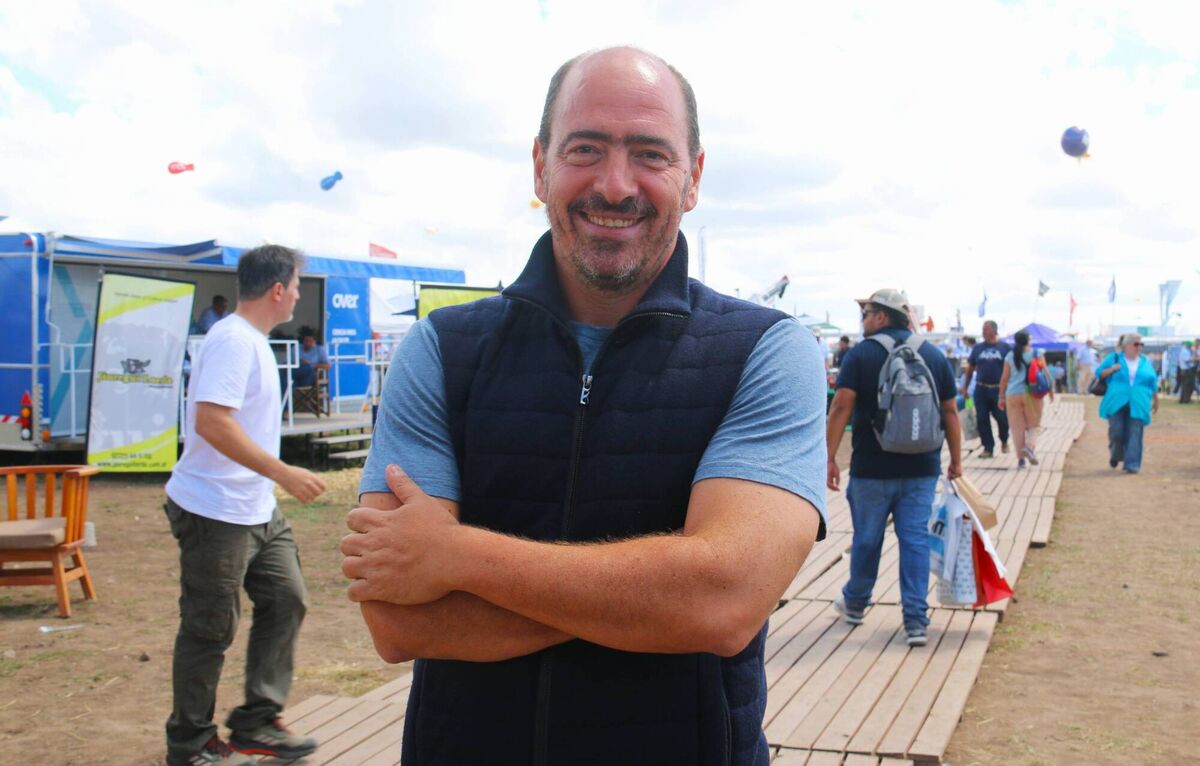
“As the world warms, these hybrids will become more important. Our animals can adapt where others can’t.
“We also cannot supply all home demand, Europe, the US, Asia. Prices are really high for meat,” he explains.
Sebastian Castillo, a breeder of Braford cattle, a hybrid of Brahman and Hereford, runs Abuelo Julio, a farm and beef company headquartered in San Pedro, which finishes around 1,000 cows weekly.
“We export to Italy, Switzerland and the UK,” he tells the , and while he sees the potential of new trade deals, such as the US, it is Europe that excites him most.
“Europe pays more for high-quality cuts, while the US wants industrial beef quantities. We have to balance both markets,” he said.
The Mercosur deal, he adds, could be “transformative”.
“We need to scale. We need to grow.”
Like Goldstein, he also wants to increase cow numbers by 30-40%.
Scaling up is simple in theory: Retain more females, breed more calves, improve genetics.
But in practice, it requires money, as holding on to more cattle means more mouths to feed and less money from sales in the meantime.
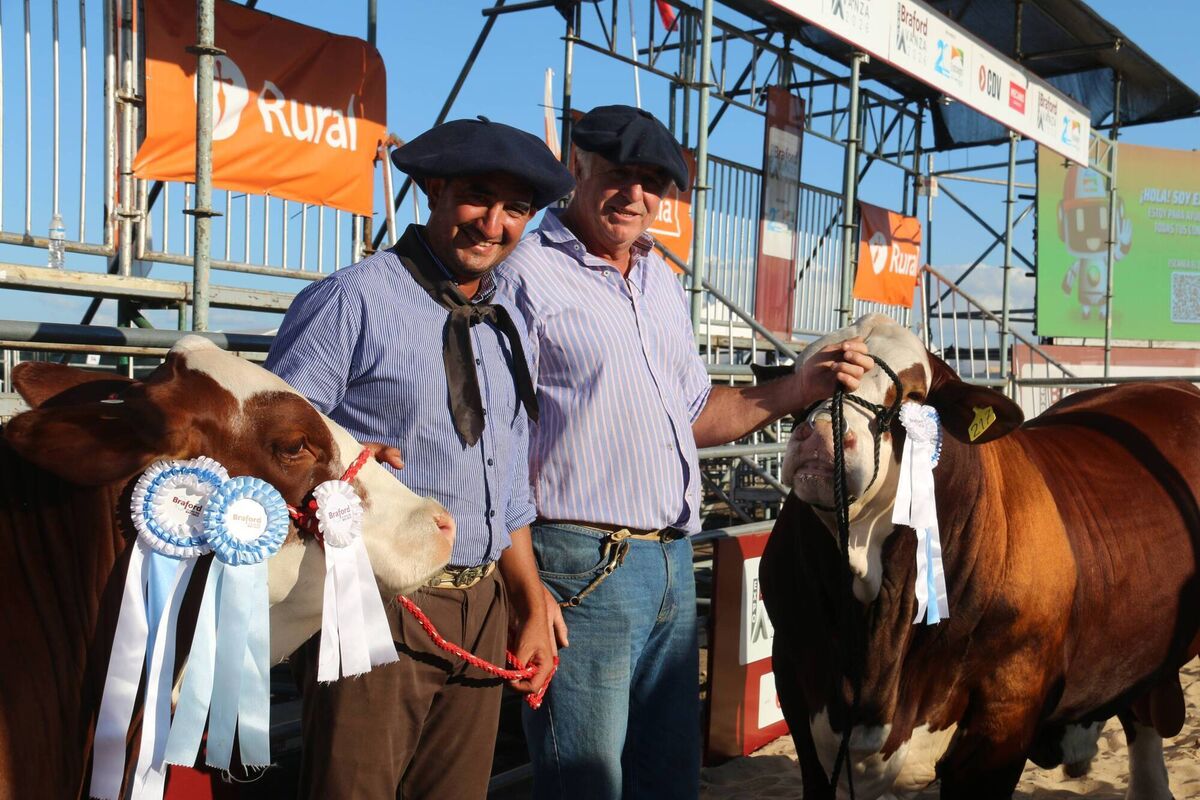
“Practically, the only way to increase is retaining, retaining, not selling your females. But you need finance somehow,” Goldstein says.
For years, Argentine farmers struggled with limited credit, complex exchange rates, and high inflation but radical the change in political leadership under President Javier Milei to pro-market “shock therapy” policies means that is quickly changing.
“As long as inflation keeps going down, credit is cheaper. We now have only one exchange rate, so borrowing in US dollars is much easier,” Goldstein explains.
State banks are beginning to back agricultural production, understanding that supporting the industry opens the potential for prosperous market returns.
Argentina’s beef is also grass-fed, yet European regulations designed to protect forests and curb emissions have created tension.
“Europe says maybe you can only send us meat from places where there was no deforestation. We’ve deforested to put grass, and our production is ecologically responsible and carbon-negative. The world benefits from the way we produce,” he said.
This argument of “covert protectionism” resonates with farmers like Goldstein who feel their efforts to produce sustainable beef are undervalued.
Across the border, and speaking at an Agrojor event in Sao Paulo, Luís Rua from the Brazilian Ministry of Agriculture said European society had become “too protective”.
“European Union is a very important market for Brazil.
"From the $170bn that Brazil sold, $25bn approximately, were exported to the European Union.
"Just China buys more products than the EU, so the EU is a key partner for Brazil, but not the most important."
For 40 years, Brazil has been supplying products to the EU, fulfilling requirements and meeting meeting all of the demands they have.
And they are quite strict, by the way, but Brazil can fulfill all of the requirements satisfactorily, and sometimes with higher standards.
“I think the Mercosur and EU agreement took a certain path and it became politicised… so when I see some few people being vocal or being noisy or complaining, I think they're trying to be protected, blindly protected by the way, because there are some layers of the European society that become too much protective.”
In 2025, Brazil was the world’s biggest exporter of soybeans, orange juice, coffee, poultry meat, beef, cotton, and pulp.
But despite already dominating markets, Ricardo Santin, the president of the Brazilian Association of Animal Protein (ABPA), said Brazilian agricultural producers are capable of increasing production even further to meet even demand.
“I always say that Brazil is no better than anyone. We're not better than anyone, but there is no one better than us either. So no one is better than us, either. So we are at the highest possible level in terms of technology, security, sustainability,” he said.
“We work with all countries. So we have reached more than 150 markets with chicken, 103 with the pork, and we still have room for growth, because there is a demand in the world. So just in January, we grew 4.3% that's the volume of sales of chicken and 8% in pork meat.
“The world is demanding more, and Brazil manages to serve we have the possibility of selling more. There are still some markets that we do not sell to yet.
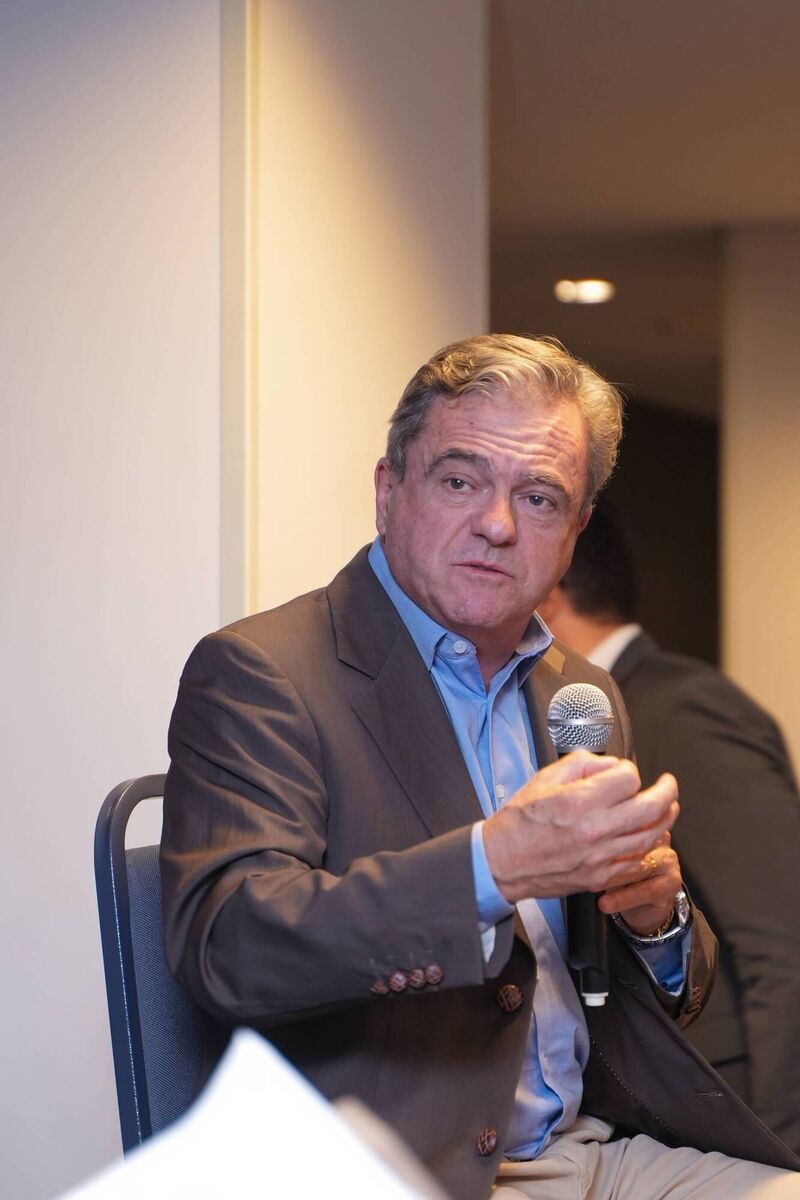
“We're no better than anybody, but we can further grow in this market too. I always joke, if anybody tells me I need 1m tonnes, I'm going to answer, ‘When do you want to get it by?’”
On the flipside, Argentina may have fewer cattle than Brazil, but its agricultural leaders say its emphasis on quality matters in global markets.
George Brett Smith, president of the IPCVA, told the that while Brazil has scale, Argentina’s premium beef commands better prices for European cuts.
Productivity improvements — calving rates of 48–49%, average slaughter weights of 236 kg — allow Argentine producers to compete without sacrificing quality.
The Hilton cut — the rump, loin, and 100% grass-fed beef — can fetch $21,000/t in Europe.
Meanwhile, grain-finished forequarters can serve the US market, where industrially finished beef dominates.
“I used to say, the situation in Argentina on cattle right now is the product of the decisions that we took at least four years ago — the beef you are eating now, for example,” he said, as we tuck into an asado together.
“It started production four years ago. We have a good moment now, and we don't need to lose this opportunity. We need it to be like a trampoline [he gestures that he wants it to forcefully bounce the market upwards].
"We want to do the work now to get there because we know it will take four years to make the most of the market access.”
For Goldstein, Castillo, and other Argentine producers, the next few years are a test of ambition, planning, and resilience.
“We have to do as much as we can, because the future is bright for us. Geopolitically, we couldn’t be better positioned,” Goldstein says.
“There will be a lot of demand for our production from the world. We need to be ready to supply it. We are not right now — but we will be.”
Castillo echoes the sentiment: “Apart from the tastiness of our beef, it’s something we need for our health. We need good proteins.
"Our challenge is reaching Angus-level quality in Braford and Brangus… and we’re very close.”
Argentina’s story is about more than cattle; it’s about strategic resilience.
It’s about farmers navigating politics, economics, and environmental standards while positioning themselves in a global market.
And it’s about ambition grounded in expertise, history, and a deep connection to the land.
While Argentine producers argue their systems are carbon positive, European policymakers point to deforestation risks in parts of South America
— raising questions about whether sustainability claims align across continents.
The cattle moving across the pampas today may not reach European plates for another four years.
By then, the terms of trade — and the balance of power in the global beef market — may look very different, including for Irish producers.