Farmers urged to act now as fuel costs surge
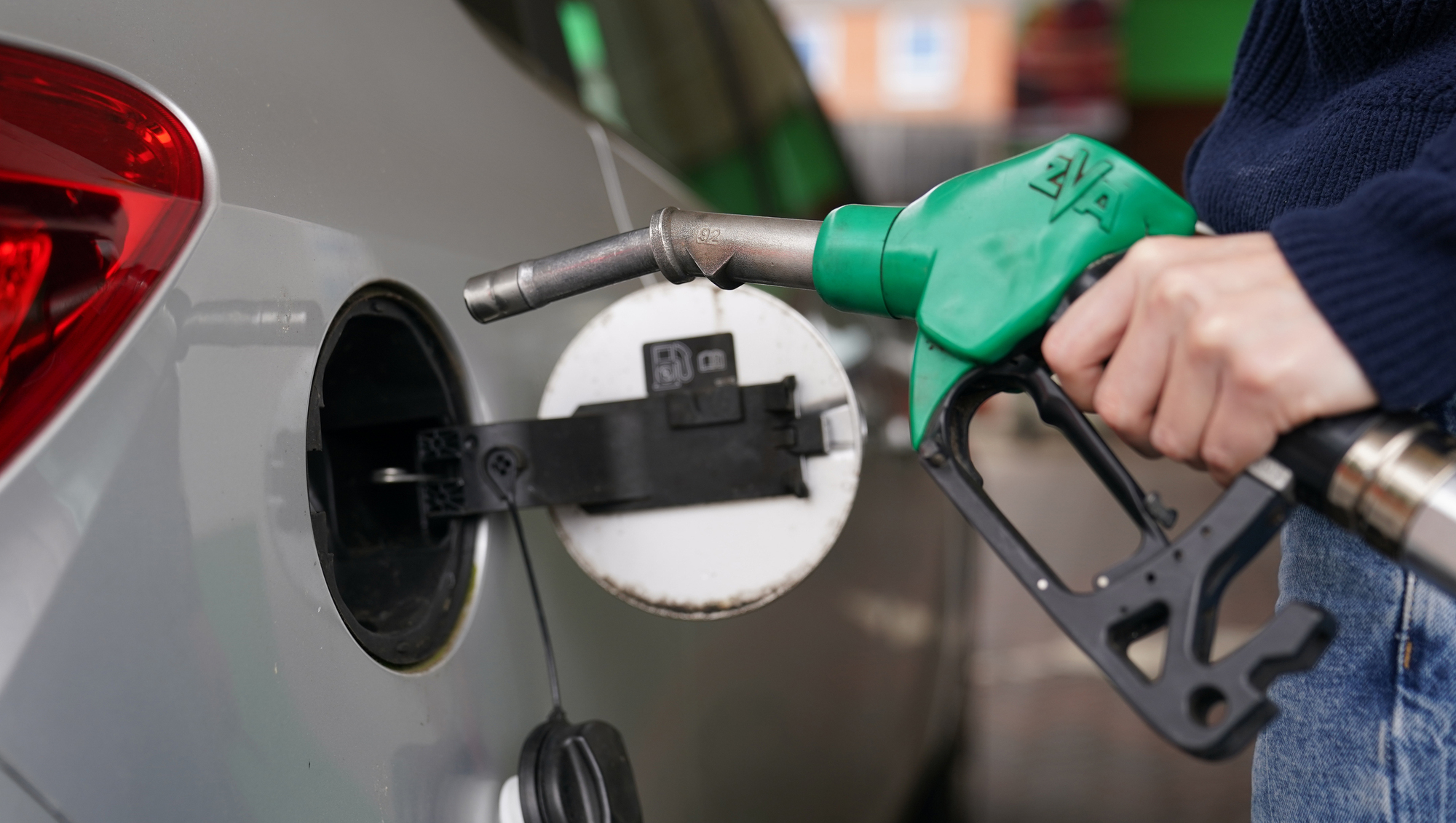
Rising oil prices have had a significant impact in Ireland, with sharp increases in the cost of green diesel, road diesel and home heating oil, alongside growing pressure on fertiliser prices.
Farmers are being advised to take immediate steps to manage rising fuel and input costs as global oil prices surge.
Oil prices have risen sharply in recent weeks, with Brendt crude surpassing $100 per barrel after disruption to global supply routes. This has already had a significant impact in Ireland, with sharp increases in the cost of green diesel, road diesel and home heating oil, alongside growing pressure on fertiliser prices.
The Government has announced a €235m emergency fuel package, including temporary reductions in excise duties. Still, Irish Farm Accounts Co-operative Society Limited (Ifac) is warning farmers should act now to protect cash flow and manage costs in the months ahead.
Head of farm support at Ifac Philip O’Connor said: “Farmers are once again dealing with a sudden and significant cost shock, driven by factors entirely outside their control. While the Government’s measures will provide some short-term relief, they will not offset the full extent of the increases we are seeing on the ground.
"What is critical now is that farmers take a proactive approach and understand their exposure, manage consumption where possible, and plan ahead for further volatility. We have seen before how quickly energy costs can escalate, and early action will make a real difference to cash flow over the coming months.”
Ifac is advising farmers to focus on several practical steps to reduce the impact of rising costs:
- Review fuel usage and reduce consumption across machinery, transport and heating;
- Plan ahead without panic-buying, particularly where storage capacity allows;
- Monitor supplier pricing closely and challenge any disproportionate increases;
- Review wider input costs, particularly fertiliser, which is closely linked to energy prices;
- Ensure machinery is operating efficiently, as poor maintenance can significantly increase fuel consumption.
The Government’s package included temporary reductions in fuel excise and adjustments to the Nora levy, with changes to the diesel rebate scheme. These measures are only in place until the end of May, with a review expected depending on the market conditions.
Mr O’Connor added: “The key message for farmers is to stay calm and act early. Irish farmers have managed through energy shocks before, and the same practical, measured approach will be needed again.
"At the same time, this situation highlights the importance of longer-term planning. Investments in efficiency and on-farm energy options are becoming increasingly relevant in an environment like this. Ifac is encouraging farmers to engage with their adviser to assess the specific impact on their business and identify the most appropriate response.”