Fertiliser shortages expected on Irish farms amid Middle East conflict
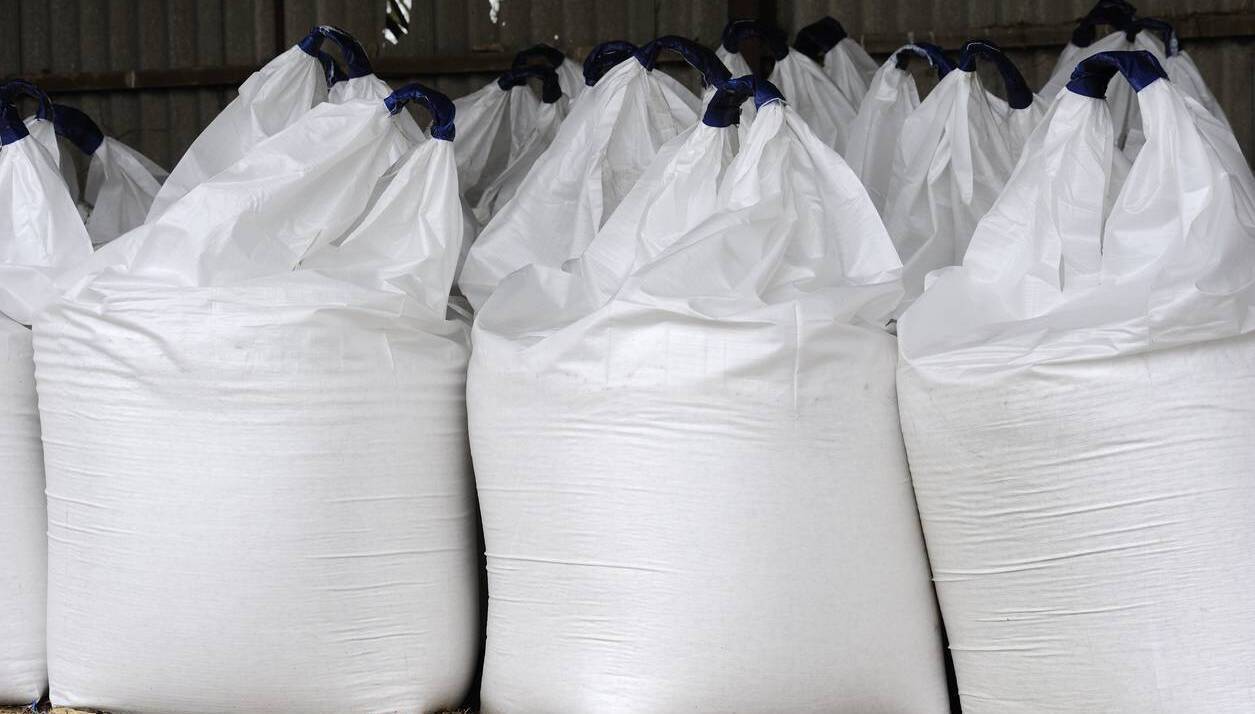
About 20% of the global fertiliser supply travels through the Strait of Hormuz.
Due to the ongoing conflict in the Middle East, Irish farmers are facing rising fertiliser costs and potential supply shortages.
The closure of the Strait of Hormuz, a critical shipping channel, continues to impact shipments of fertiliser from major producers including Iran, Qatar and Saudi Arabia, which together account for an estimate 20% of traded global nitrogen (N) fertiliser.
The closure additionally impacts liquefied natural gas exports that can be used for nitrogen production.
Nitrogen fertiliser is a major input of Irish agriculture, widely used to drive high-yield grass growth for grazing livestock and to support tillage crops.
Spring is a critical time for fertiliser sales and application, as farmers apply significant amounts of nitrogen to stimulate grass growth as herds return to grazing after winter housing.
Grass and forage expert Dr Patrick Cashman, of Cork-based agri company Goldcrop, says the situation in the Middle East highlights the vulnerability of Ireland’s heavy reliance on imported fertilisers such as nitrogen.
“The war in Iran is a clear supply-side risk for Irish agriculture… Any disruption to global fertiliser flows will quickly feed through to higher costs for farmers, putting additional pressure on already tight margins,” he said.
Mr Cashman also highlighted that Russia produces roughly another 20% of global fertiliser, which was disrupted by the war in Ukraine. This disruption of supply from the Middle East is further constricting a heavily relied-upon route.
“With the war in Ukraine, we saw fertiliser costing upwards of €1,000 per tonne — it’s quite feasible we will go back there again,” he warned.
“We cannot have a farming system that is dependent on inputs coming from volatile regions of the world… When supply chains are disrupted, the cost ultimately works its way through the food chain, increasing farmers' cost base and onto supermarket shelves.”
A knock-on effect of higher-priced fertilisers is the limited investment into rural economies from farmers and their families, as margins get tighter.
“It isn’t a victimless crime. If the margin is being squeezed, generally there is someone else losing out on that income,” Mr Cashman told the .
Mr Cashman is encouraging the Department of Agriculture to reinforce its messaging through a national campaign that highlights how clover-rich grass swards can help farmers ease their reliance on nitrogen fertilisers.
“When integrated into perennial ryegrass swards, it naturally fixes nitrogen in the soil, improves grass growth and can increase animal production, all while reducing the need for expensive synthetic fertiliser.”
With full reseeding, farmers are limited to 8-10% reseeding on the farm in any given year, but “you could probably oversow up to 20% of the farm”, Mr Cashman explained.
A caveat with oversowing is that the clover needs to compete with well-established grass and other forage, but it could be beneficial in the long term.
Mr Cashman said farmers may not see major returns from clover in the 2026 crop, but with repeated disruptions to nitrogen supply in the last number of years, incorporating and establishing clover could ultimately benefit, with April being the ideal time to oversow and attempt to establish clover within paddocks, aiming for milder weather with showers to encourage growth.