Tom Barry: Why cost-of-production figures matter more than ever for Irish tillage
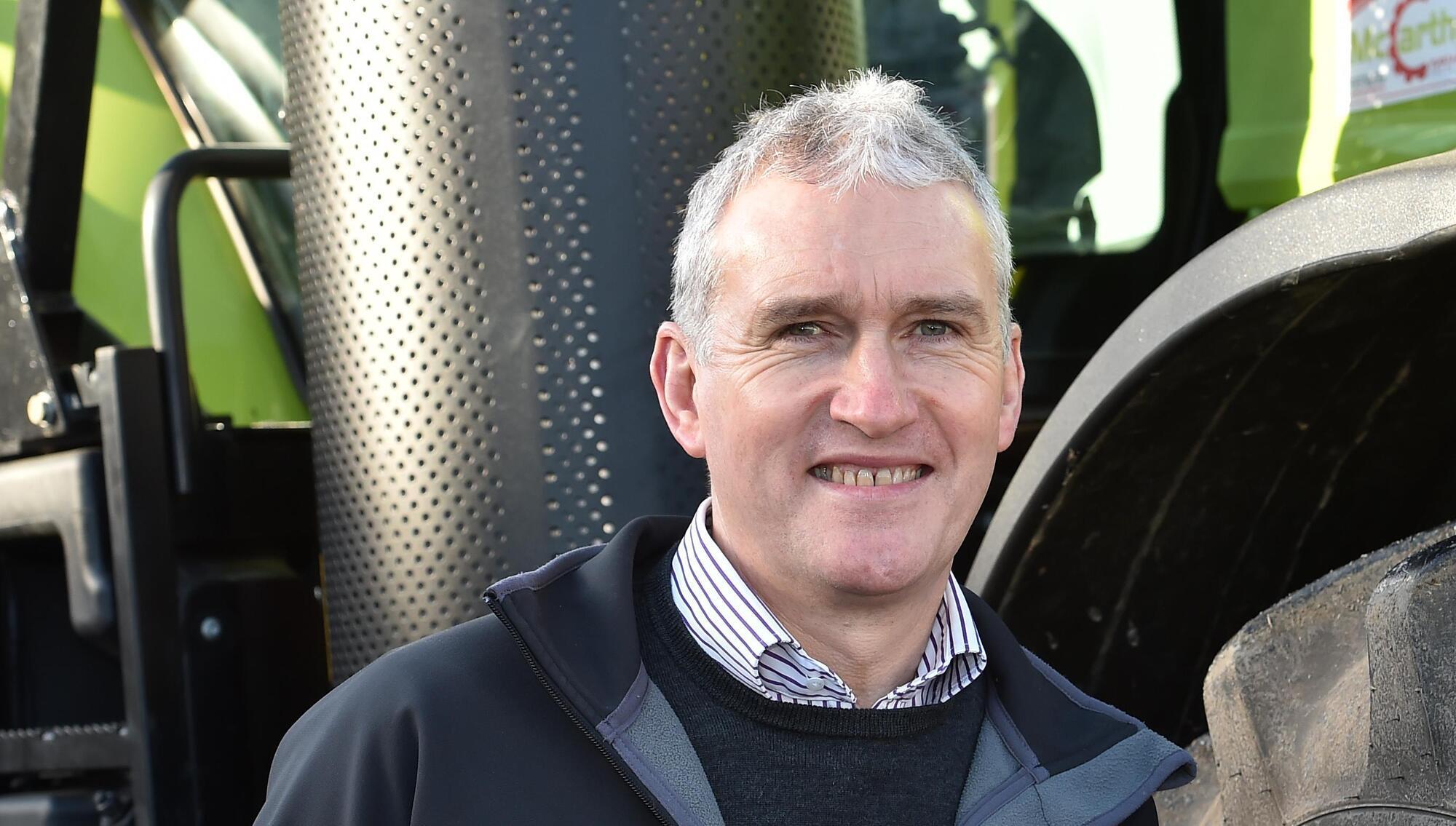
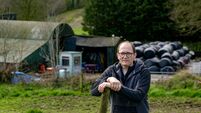
Tom Barry: 'I would urge tillage farmers to use the poor weather at present as an opportunity to service equipment, so it is ready for fieldwork when the time comes.' Picture: Dan Linehan
2026 has begun with unsettled weather and delayed early sowing. I used the opportunity in January to collate all last season’s purchases and sales, including all other costs associated with running the farm and growing crops.
The information garnered was quite revealing and very relevant for crop choices and management decisions this year.
I also submitted the same primary information to Teagasc and they produced a farm management report for my farm. I would highly recommend other farmers to get this report if possible.
To have up-to-date cost of production figures is vital, and to target the costs we can control in a planned fashion, helps any potential cashflow issues.
The key points for myself were the value of crop rotation, soil fertility and crop diversity which helped contribute to yield. The importance of the various farm payments are also very apparent.
Read More
I also registered and logged into the AgNav sustainability portal and inputted the farm data for 2025. This was quite simple to do and the results were very interesting.
Once complete, it gave me a carbon production figure in KgCO2e/t for all my combinable crops. The oats I grew even had a negative carbon footprint.
I believe that accounting for carbon production at farm level will become as important as nitrate allowances, therefore, it is important to start now and become familiar with the process.
Ultimately, the low carbon production figures of Irish grain will hold value in the marketplace.
I took advantage of the good weather in early October to establish approximately 80% of the farm in winter crops.
These include winter wheat, rye, barley and oats.
All these fields were rolled and the winter barley and rye received herbicide and aphicide.
I will treat the winter wheat for weeds when the weather improves as there is sufficient chemistry available for this.
I have spring beans, oats and barley to sow when the weather improves.
I will set the spring beans again this year using a no-till drill.
I am planting the beans into overwinter stubble which was disced last autumn to encourage regrowth.
A decent green cover established, and its rooting system has kept the soil free-draining, while capturing any available nutrients for the new bean crop.
Once this bean crop is harvested the soil conditioning from the bean roots will allow a minimum-till establishment for the next wheat crop eliminating the need to plough on this land for two years.
I am also taking part in a European Innovation Partnership (EIP) project led by Teagasc called “Soil Cycle”.
This four-year project involves spreading liquid slurry manures onto growing crops, winter barley this year, and quantifying the benefits of reducing artificial fertiliser and recycling excess nutrients from livestock farms.
This project will also involve demonstration days and develop templates to facilitate the transfer of organic manures between cattle, dairy, pig and tillage farmers.
I applied the majority of the first split of nitrogen last week on the winter barley.
By the second half of March I expect this to be growing and have a dense leaf canopy, which will be ideal for slurry application and nutrient uptake.
I would urge tillage farmers to use the poor weather at present as an opportunity to service equipment, so it is ready for fieldwork when the time comes. This is also the time to do a farm safety assessment.
Regarding safety checks, if you are unsure where to start, begin with the Health and Safety Authority (HSA) and its risk assessment document.
I applied last year to TAM3 for LESS and TAMS3 (Tillage Capital Investment Scheme) for tillage equipment.
However, I am still waiting like others for approval and am currently being assessed under the Ranking and Selection System (RASS). I hope this will get sorted before the season gets into full swing.
I welcome the recent announcement of the “Tillage Sustainability Support Scheme”, this is a vital economic support to the Irish tillage sector, which is battling low grain prices and high input costs.
Finally, with the events unfolding in Iran, it brings into sharp focus the importance of an Irish tillage industry as a secure source of grains and protein.
It also highlights the importance of nutrient recycling between livestock farmers/councils/industry and tillage farms.
It is also a reminder that we need to become more independent in our energy production and Irish farms can deliver this through PV, biomass, anaerobic digesters and wind generation.