Signpost: Preparing for lambing in Galway with good systems and smart planning
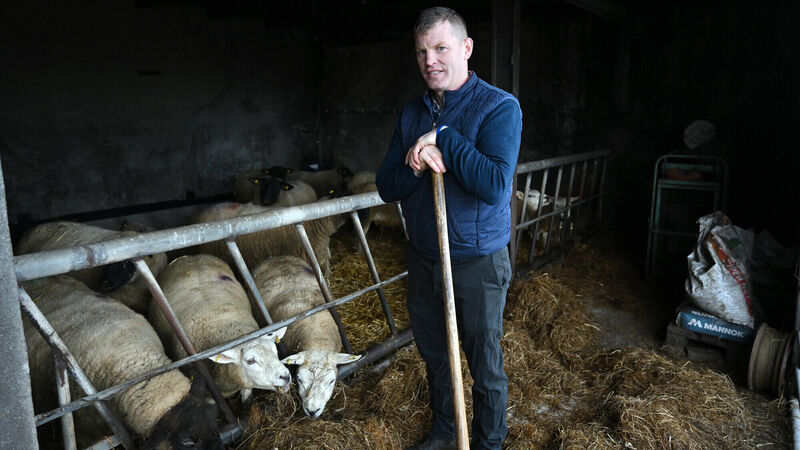
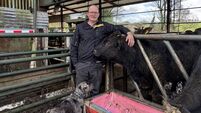
Michael Forde, who runs a mixed sheep and cattle enterprise, says planning is important at lambing time. He expects the first lambs to arrive within the next week. Picture: Ray Ryan
We run a mixed sheep and cattle enterprise on the family farm.
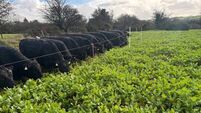
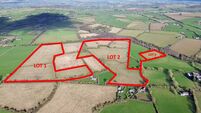
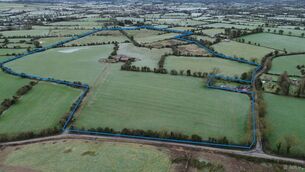
The holding extends to 27 hectares and, like many farms in the locality, it is quite fragmented. Because of this, we make every effort to keep groups of stock together to simplify management and reduce unnecessary movement between land blocks.
We operate one out-farm where the cattle are kept, while the sheep are divided between two to three other parcels of land, including the home farm. The home farm is where the main sheds and handling facilities are located, making it the hub of the operation.
A mobile sheep handling unit and penning system has proven extremely useful, allowing us to work efficiently across different blocks of land. My father, Bernie, is also a great help on the farm and plays an important role, especially during busy periods.
Lambing is about to begin here on the farm, and I expect the first lambs to arrive within the next week. Over the past couple of weeks, I have been focused on preparing for the season by cleaning sheds and setting up lambing pens.
Thankfully, both cattle and sheep are currently housed, as we have experienced chronic rainfall in recent weeks and ground conditions are far from ideal.
To prevent lameness, we are foot-bathing the sheep regularly. The ewes are in good condition coming into lambing, which is very encouraging.
This year, we have also installed a new roofed foot-bathing area, which is ideal as it allows us to footbath each pen within the shed. This has greatly improved efficiency and speeds up the whole process, making life easier.
We currently have 180 ewes, which scanned at a litter size of 1.85. The ewes are penned according to litter size and fed accordingly, which works very well and helps ensure each group receives the correct level of nutrition.
A lambing camera is also being installed, providing a great way to monitor the sheep and lambing pens more closely.
I have tested the second-cut silage that is being fed and it analysed quite well. It is dry at 29.4% dry matter, DMD is almost 71% and crude protein is 13.7%.
I am happy with the silage quality, it will help reduce the amount of concentrate that I need to feed. The feeding rates with this silage in the last two weeks before lambing are singles 0.6 kg/day, twins 0.8 kg/day and triplets are getting 1.2 kg/day.
I am working off-farm so planning and having a good system becomes even more important at lambing time.
Simple things like doing as much work as possible before lambing starts, using technology like lambing cameras, using mobile handling facilities and batching groups of animals all help to make life easier.
In recent years, I put up a new sheep shed, and it provides sufficient feed space for all ewes. Overall, the facilities and management systems in place are helping us prepare well for what should be a busy but rewarding lambing season.
- Michael Forde runs a mixed cattle and sheep farm in Annagh West, Corrandulla, Co Galway. His Teagasc advisor is Kevin Fahey.