Cow lameness costs farmers €8,750 a year, Teagasc study finds
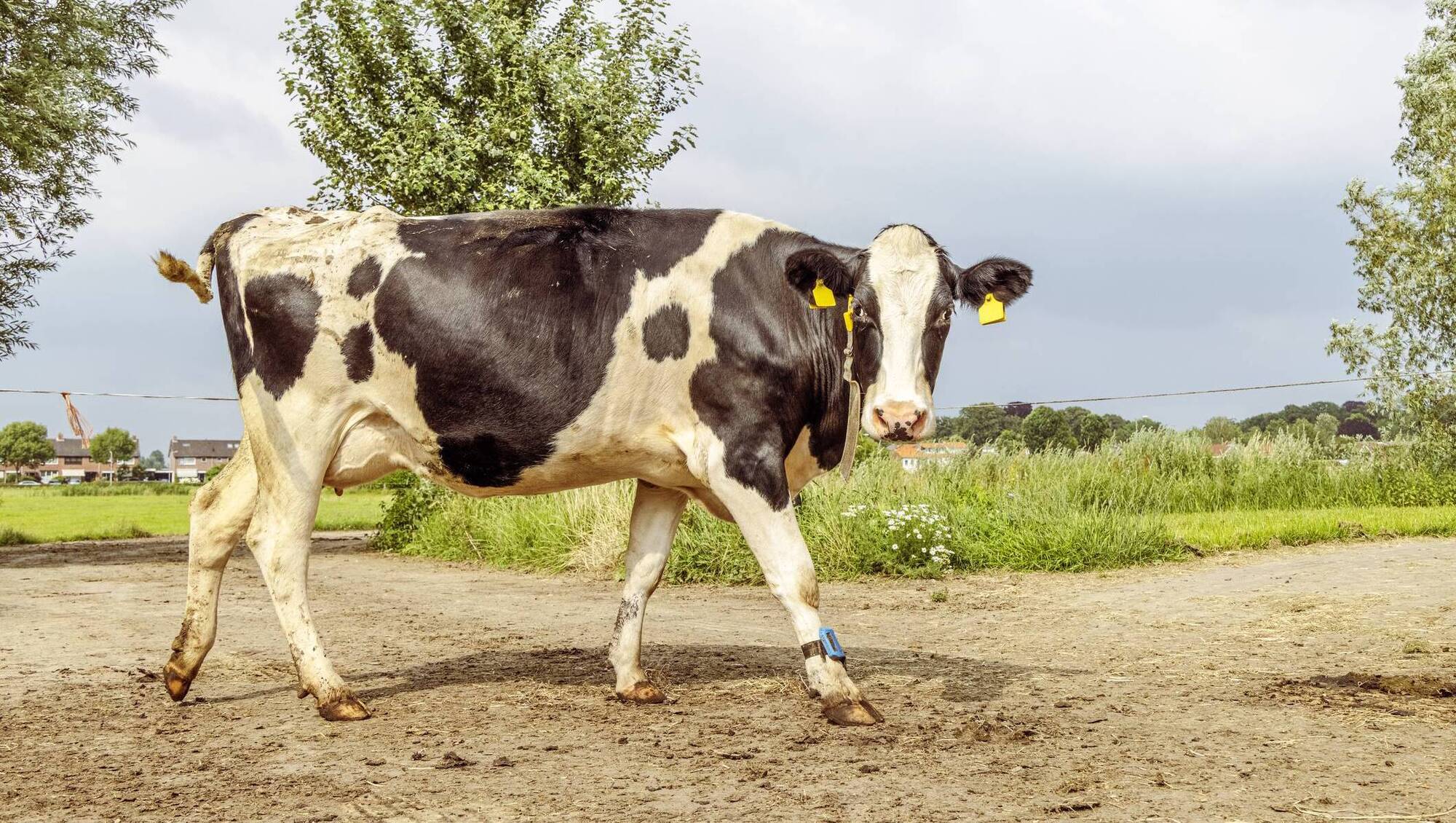
A relatively minor investment in farm roadways could generate the biggest payoff in terms of reducing lameness. Picture: iStock
Cow lameness costs the average Irish dairy farm about €8,750 per year.
The latest Teagasc research showed that one in 10 Irish dairy cows is lame at any one time.
How to reduce lameness was the subject when Muireann Conneely, a vet with a PhD in dairy calf health, took part in a recent podcast episode.
“The worst-performing farms in our study had lameness prevalences of between 15% and 32%. So, there are a lot of farms in the country that have high lameness,” Ms Conneely said.
But many farms are successfully minimising lameness. “The best-performing 20% of farmers in our study had lameness below 5%. Below 5% is a target we should all be aiming for,” Ms Conneely said.
“Lame cows produce less milk. This can happen up to three months before they’re diagnosed with lameness.
"Research at Moorepark showed that a severely lame cow would have a 6% drop in her total 305-day milk yield. Other studies have put the total loss in milk production over the course of the lactation at somewhere between 270kg and 570kg, depending on the type of lameness. So, it's a huge cost,” she said.
“Lameness has huge implications for reproductive performance, milk yield and longevity.”
“Lame cows are in pain. There’s higher cortisol in the system. That all impacts the reproductive cycle. Also, lame cows don’t want to stand to be mounted, and heat detection is more difficult,” she added.
Lameness is usually due to non-infectious lesions. The most frequent causes include white line disease, caused by grit or small stones entering the white line and leading to painful inflammation.
It could also be sole bruising, often due to hard or rough surfaces, or sole ulcers caused by internal pressure within the hoof capsule, usually on the outer claw of the hind feet.
Infectious foot conditions are the other cause of lameness. Foul in the foot (interdigital necrobacillosis) is caused by bacteria entering through broken skin between the claws, leading to swelling and severe pain. Digital dermatitis (Mortellaro’s disease) is a contagious disease of the skin near the hoof.
The measures taken to tackle lameness on a farm will depend on the causes. Uneven, sharp, or potholed roadways, yards, and gateways can injure feet. “There should be a nice, fine top-dressing on the roads that doesn’t have stones that are going to cause bruising and damage,” Ms Conneely said.
"In our study, 50% of farms had at least one cow track that was rough or very rough.”
She said that a relatively minor investment in farm roadways will probably generate the biggest payoff in terms of reducing lameness. Cows should also be moved calmly, without sticks, dogs, or quads, to avoid shearing forces on the hoof.
"We don’t have to spend any money to move cows more slowly and more gently, and that can have a huge impact."
Long periods on concrete can increase the risk of sole ulcers. Inadequate turning space at the parlour exit and insufficient space in the collecting yard can also lead to problems.
“If you’re talking about infectious lesions such as Mortellaro’s, you need to look at the hygiene in your housing, in and around the milking parlour, because it’s spread through the slurry. You need to look at your foot-bathing regimes,” she added.
“If there is a Mortellaro problem, foot bathing is very important. If it’s a Mortellaro problem that’s under control, you may be okay doing a foot-bathing regime weekly.
"But if it’s a crisis where things are really getting out of hand, you may need to increase that frequency to twice a day for a couple of weeks,” she said.
Whatever product is used, it’s important to prepare it at the correct concentration. The solution should be changed after every 200 cow passes.
Chronically lame cows have a poor recovery rate. “Cows that were treated sooner had recovery rates of 70–80%,” said Ms Conneely.
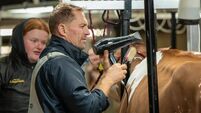
She said some farmers do a lot of their own hoof trimming and may have done the training courses available for farmers to get up to speed with hoof trimming and treating lame cows.
“For larger herds, it may be a very good idea to have a standing arrangement with a hoof trimmer to come regularly,” she suggested.
“Not every cow will need a trim. But there can be uneven wear, and there might need to be a bit of corrective trimming to change the weight-bearing surfaces, which can prevent lameness issues developing,” she explained.
“The best practice advice would be to get the whole herd inspected at least once a year,” she said. If that’s not feasible, a more targeted approach could be taken.
“Instead of lifting the hoofs of absolutely every cow, which would be best practice, you could look at the older cows, the cows that have had a history of being lame, cows that tend to be towards the back of the herd,” Ms Conneely said.
“Not many farmers in our study had a lameness plan. That’s probably an area where people can improve a lot.”
“Mobility scoring is looking at your cows individually and assigning them a score. Basically, you’re trying to pick up the cows that are lame,” she added.
The earlier lameness is identified, the greater the chances of a good recovery and the lower the productivity losses.
“Our study showed that only 1% of farmers here were mobility scoring regularly,” she said.
Teagasc is currently preparing a video showing farmers how they can mobility score their herd.